Lindsey O. Graham Sanctioning Russia and Iran Act of 2026
Summary
What This Bill Does
The Senate amendment completely replaces the House-passed SEED Act, removing its proposed educator-expense deduction for early-childhood teachers. The substitute requires the President within 30 days and generally every 180 days to identify and sanction senior Russian officials, defense suppliers, military supporters, oligarchs, energy-project leaders, shadow-fleet vessels, vessel owners and insurers, port operators, sanctions evaders, and persons receiving transferred assets. Required measures include property blocking, vessel blocking, visa ineligibility, and visa revocation. The Central Bank of Russia receives at least two specified sanctions; Sberbank, VTB, Gazprombank, other government-owned Russian banks, covered affiliates, and certain transacting foreign financial institutions receive broader asset, account, and related sanctions. The bill blocks Russian state-owned entities, prohibits U.S. banks and securities dealers from processing unlicensed Russian-government transfers, bars Russian-affiliated securities from U.S. exchanges, prohibits new U.S. investment and selected service exports to Russia, restricts energy exports and investment, bans purchases of Russian sovereign debt, penalizes sanctions-circumventing financial-messaging services, and implements Russian uranium restrictions with sanctions on Rosatom leadership. The President must raise duties on Russian goods to as much as 500 percent. Goods from a foreign country that remains among the five largest buyers of Russian crude oil or natural gas, or among the five leading facilitators of Russian oil-sanctions evasion, face duties up to 100 percent. USTR may adjust those duties based on increased or reduced Russian-energy trade, must update covered-country determinations every 180 days, and must justify duties to Congress. The package protects food, agriculture, medicine, medical devices, humanitarian activity, intelligence and law enforcement, treaty obligations, specified nuclear cooperation and uranium, government and U.N. operations, non-Russian oil transit, existing Treasury licenses, 270-day winddowns, vessel safety, NASA, and nondefense space launches. The President may issue a national-interest waiver after reporting to Congress. Sanctions, restrictions, and duties may terminate after a Ukraine-accepted peace and cessation of Russian hostilities, or after a non-Russian target stops the underlying activity and provides reliable assurances, but Congress receives a 30- or 60-day review period and expedited disapproval procedures. The Russia title sunsets after five years. Separately, the bill extends the Iran Sanctions Act from 2026 through 2031 and excludes that extension from the five-year sunset.
Who Benefits and How
The Government of Ukraine, Ukrainian critical-infrastructure operators, civilian communities, U.S. allies, and sanctions investigators gain mandatory reviews, broader asset and visa sanctions, restrictions on Russian state finance, and pressure on foreign military suppliers, banks, ports, messaging networks, and shadow-fleet services. U.S. energy, uranium, defense, and other import-competing producers may gain demand as Russian goods and covered-country imports become more expensive. Humanitarian organizations, food and medicine suppliers, Ukraine-related agricultural agreements, intelligence and law-enforcement operations, NASA, government missions, vessel crews, environmental protection activity, existing Treasury licensees, and specified nuclear or space operations gain explicit exceptions. Congress receives advance notice, tariff justifications, recurring determinations, and an expedited process to review termination decisions.
Who Bears the Burden and How
Russian officials, military and intelligence leaders, oligarchs, state-owned entities, banks, Rosatom leaders, energy projects, defense suppliers, shadow-fleet vessels, owners, insurers, ports, sanctions evaders, and foreign financial institutions face blocked property, transaction bans, account restrictions, visa loss, market exclusion, or IEEPA penalties. Russia and covered energy-purchasing countries face tariffs that can reach 500 percent and 100 percent respectively. U.S. banks, broker-dealers, exchanges, investors, service exporters, energy companies, importers, customs administrators, SEC staff, Treasury, State, Commerce, USTR, and the President must screen counterparties, halt transactions, adjust systems, review targets every 180 days, administer licenses and waivers, collect duties, and report to Congress. U.S. consumers and businesses using affected imports may pay more. Early-childhood education workers lose the House-passed deduction expansion when the Senate substitute removes it.
Key Provisions
- Requires recurring property and visa sanctions on senior Russian officials, military supporters, oligarchs, energy leaders, and shadow-fleet networks.
- Blocks Russian state banks and entities while restricting transfers, securities trading, investment, services, energy, sovereign debt, messaging, and uranium commerce.
- Authorizes duties up to 500 percent on Russian goods and up to 100 percent on goods from leading Russian-energy buyers or sanctions-evasion countries.
- Exempts humanitarian, food, medical, intelligence, law-enforcement, diplomatic, nuclear, winddown, vessel-safety, NASA, and nondefense space activities.
- Requires national-interest waiver reports and gives Congress an expedited review process before sanctions or tariffs terminate.
- Extends the Iran Sanctions Act through 2031 and preserves that extension beyond the Russia package's five-year sunset.
- Repeals the House-passed expansion of the educator-expense deduction for early-childhood education workers.
Evidence Chain:
This summary is generated from the full bill text using AI analysis. Expand "Detailed Analysis" below for identified beneficiaries/burden bearers with clause-level evidence links.
At a Glance
What This Bill Does
Replaces an early-childhood educator tax deduction bill with a five-year sanctions, financial isolation, investment ban, and tariff regime targeting Russia's war against Ukraine, while extending the Iran Sanctions Act through 2031.
Key Policy Areas
Sanctions, Foreign Affairs, Trade, Finance, Energy, Taxation
Primary Purpose
Replaces an early-childhood educator tax deduction bill with a five-year sanctions, financial isolation, investment ban, and tariff regime targeting Russia's war against Ukraine, while extending the Iran Sanctions Act through 2031.
Policy Domains
Lindsey O. Graham Sanctioning Russia and Iran Act of 2026
Identified Gains
- Government of Ukraine agencies
- Ukrainian critical-infrastructure operators
- United States energy manufacturers
- Humanitarian aid organizations
- Congressional foreign-affairs committees
- Treasury Department sanctions administrators
- United States agricultural producers
Identified Costs
- Russian military officers
- Russian bank managers
- Shadow-fleet vessel operators
- United States financial institution compliance staff
- Customs tariff administrators
- Early-childhood education workers
- Foreign energy-company contractors
Sponsors
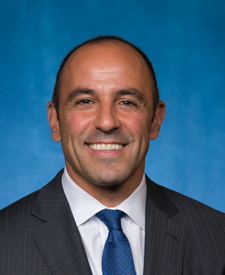
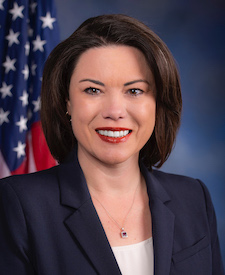

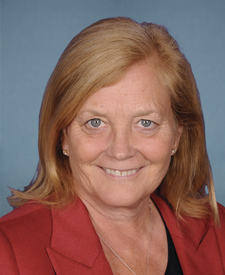
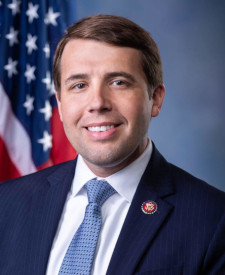
Legislative Progress
Passed SenateMessage on Senate action sent to the House.
Passed Senate with an amendment and an amendment to the …
Passed/agreed to in Senate: Passed Senate with an amendment and …
Considered by Senate. (consideration: CR S4538-4540)
Measure laid before Senate by motion. (consideration: CR S4323)
Motion to proceed to consideration of measure agreed to in …
Motion to proceed to measure considered in Senate. (CR S4301)
Cloture on the motion to proceed to the measure invoked …
Cloture motion on the motion to proceed to the measure …
Stakeholder Effects
cui bono?How this legislation distributes effects. Mention counts reflect frequency, not effect magnitude.
Central Bank of the Russian Federation, Congressional sanctions committees, Customs tariff administrators
Congressional sanctions committees, Government of Ukraine agencies, Government of the Russian Federation, President of the United States, Treasury Department sanctions administrators face effects in multiple directions
Positive-direction: Federal Treasury, Federal courts reviewing the sanctions division, Foreign sanctions targets receiving waivers, Government of Ukraine loan administrators, IRS guidance staff, Internal Revenue Service guidance staff, National Aeronautics and Space Administration, Non-Russian sanctions targets ending covered conduct, Russian sanctions targets, State Department sanctions officers, Treasury Department Russia-sanctions staff, United States allies in the Middle East, United States intelligence agencies, United States law-enforcement agencies
Negative-direction: Central Bank of the Russian Federation, Customs tariff administrators, Department of Justice sanctions prosecutors, Foreign governments buying Russian energy, Government of Iran, House and Senate legislative clerks, Iran sanctions targets, Persons violating Russia sanctions, Russian government officials, Russian state-owned enterprises, Securities and Exchange Commission staff, Senior Russian government officials, State Department consular officers, State Department sanctions staff, Treasury Department Iran-sanctions staff, Treasury Department Rosatom-sanctions staff, Treasury Department compliance staff, Treasury Department energy-sanctions staff, Treasury Department financial-network staff, Treasury Department licensing staff, Treasury Department ownership-screening staff, Treasury Department sanctions-enforcement staff, Treasury Department service-category staff, Treasury Department waiver staff, United States Trade Representative staff
Executives of sanctions-circumventing messaging networks, Foreign banks transacting with Russian state banks, Foreign transaction facilitators using United States support
United States financial institutions faces effects in multiple directions
Positive-direction: United States financial institutions using critical messaging networks
Negative-direction: Executives of sanctions-circumventing messaging networks, Foreign banks transacting with Russian state banks, Foreign transaction facilitators using United States support, Gazprombank, Global financial messaging networks, Maritime insurers serving Russian-energy vessels, Maritime insurers serving covered vessels, Russian government-affiliated securities issuers, Russian oligarchs supporting the war, Russian sanctioned financial institutions, Sberbank, United States correspondent banks, United States depository institutions, United States investors in Russia, United States national securities exchanges, United States securities broker-dealers, United States sovereign-debt investors, VTB Bank
Childcare centers, Childcare teachers, Early childhood educators
Positive-direction: Childcare centers, Childcare teachers, Early childhood educators, Preschool teachers
Negative-direction: Eligible childcare facilities
Exporters in covered Russian-energy buyer countries, Importers receiving tariff waivers, Russian businesses seeking foreign capital
Positive-direction: Importers receiving tariff waivers, Treasury-licensed transaction participants, United States companies winding down Russian operations, United States import-competing manufacturers, United States importers
Negative-direction: Exporters in covered Russian-energy buyer countries, Russian businesses seeking foreign capital, Russian exporters to the United States, Russian government-affiliated companies, United States counterparties of Russian state entities, United States importers from covered countries, United States importers of Russian goods, United States service exporters to Russia
Foreign suppliers supporting sanctioned Russian production, Non-Russian energy producers, Rosatom State Atomic Energy Corporation
Positive-direction: Non-Russian energy producers, United States energy producers, United States uranium producers
Negative-direction: Foreign suppliers supporting sanctioned Russian production, Rosatom State Atomic Energy Corporation, Rosatom executives, Russian crude oil producers, Russian energy producers, Russian energy-project executives, Russian natural gas producers, United States energy exporters to Russia, United States energy investors in Russia, United States uranium importers
Early-childhood education workers, Preschool teachers, Ukrainian civilian communities
Positive-direction: Ukrainian civilian communities, Ukrainian public-service beneficiaries
Negative-direction: Early-childhood education workers, Preschool teachers, United States consumers of affected imports, United States consumers of covered-country goods, United States investors holding affected securities
Legislative compliance counsel, Persons challenging sanctions, United States sanctions compliance departments
Russian military proxies, Russian military suppliers
Bill Structure & Actor Mappings
Who is "The Secretary" in each section?
- "primary_target"
- → Government of the Russian Federation
- "trade_regulator"
- → United States Trade Representative
- "market_regulator"
- → Securities and Exchange Commission
- "protected_partner"
- → Government of Ukraine
- "executive_authority"
- → President of the United States
- "financial_regulator"
- → Secretary of the Treasury
- "diplomatic_regulator"
- → Secretary of State
- "congressional_oversight"
- → Senate Finance and Foreign Relations Committees plus House Ways and Means and Foreign Affairs Committees
Key Definitions
Terms defined in this bill
A Russian citizen or national, or an entity organized under Russian law or subject to Russian government jurisdiction.
Specified ground, amphibious, airborne, aerial, missile, naval, cyber, or territorial attacks by one country against another.
Verified protection and indemnity coverage supported by audited insurer financial statements, excluding Russian-jurisdiction insurers.
We use a combination of our own taxonomy and classification in addition to large language models to assess meaning and potential beneficiaries. High confidence means strong textual evidence. Always verify with the original bill text.
Learn more about our methodology