SEED Act
Summary
What This Bill Does
This bill amends the Internal Revenue Code educator expense deduction. Current deduction language is oriented around kindergarten through grade 12 teachers. The bill changes the heading and eligibility language so early childhood educators are included alongside elementary and secondary school teachers.
The reported version also rewrites the definition of school. For early childhood education, a school includes a school or childcare facility that provides educational or childcare services for more than two individuals under age 6, other than children who live at the school or facility, and that either operates at public expense or receives a fee, payment, or grant for providing services. The definition applies regardless of whether the school or childcare facility is operated for profit. K-12 schools continue to be defined by state law.
Who Benefits and How
Early childhood educators benefit because they can use the above-the-line educator expense deduction for eligible classroom and childcare supplies. Preschool teachers, childcare teachers, and Head Start classroom staff benefit from tax relief similar to K-12 teachers. Childcare centers and early learning programs benefit because employees may have more after-tax support for classroom materials. Families with children under age 6 may benefit indirectly if educators can afford supplies for classrooms. Tax preparers benefit from clearer statutory language covering early childhood settings.
Who Bears the Burden and How
The Federal Treasury bears a revenue cost from extending the deduction to more educators. IRS guidance staff must update forms, publications, and instructions to cover early childhood educators and eligible facilities. Early childhood educators must document eligible expenses and confirm that their workplace meets the school or childcare facility definition. Childcare centers may need to answer employee questions about whether they operate at public expense or receive qualifying fees, payments, or grants. Tax compliance staff must distinguish eligible educator expenses from nonqualifying personal expenses.
Key Provisions
- Expands the educator expense deduction heading to include early childhood educators.
- Adds early childhood educators to the group eligible for the educator expense deduction.
- Establishes a definition of early childhood schools and childcare facilities serving more than two children under age 6.
- Provides coverage for facilities operating at public expense or receiving fees, payments, or grants, regardless of profit status.
- Modifies the school definition while retaining state-law treatment for elementary and secondary schools.
Evidence Chain:
This summary is generated from the full bill text using AI analysis. Expand "Detailed Analysis" below for identified beneficiaries/burden bearers with clause-level evidence links.
At a Glance
What This Bill Does
Expands the educator expense deduction so early childhood educators, not only kindergarten through grade 12 teachers, can deduct eligible classroom expenses, and defines covered early childhood schools and childcare facilities serving more than two children under age 6.
Key Policy Areas
Tax, Education, Child Care, Labor
Primary Purpose
Expands the educator expense deduction so early childhood educators, not only kindergarten through grade 12 teachers, can deduct eligible classroom expenses, and defines covered early childhood schools and childcare facilities serving more than two children under age 6.
Policy Domains
House resolution provisions
Identified Gains
- Early childhood educators
- Preschool teachers
- Childcare teachers
- Head Start classroom staff
- Childcare centers
- Early learning programs
- Families with children under age 6
- Tax preparers
Identified Costs
- Federal Treasury
- IRS guidance staff
- Early childhood educators claiming deductions
- Childcare centers answering tax questions
- Tax compliance staff
Sponsors

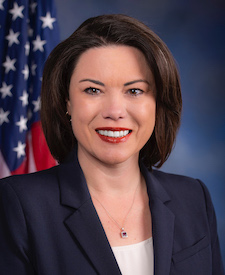

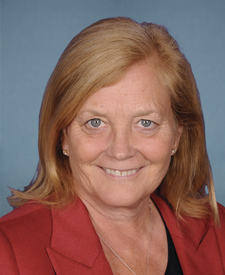

Legislative Progress
ReportedReceived in the Senate.
Motion to reconsider laid on the table Agreed to without …
On motion to suspend the rules and pass the bill, …
DEBATE - The House proceeded with forty minutes of debate …
Passed/agreed to in House: On motion to suspend the rules …
Mr. Smith (MO) moved to suspend the rules and pass …
Considered under suspension of the rules. (consideration: CR H3111-3113)
Additional sponsors: Mr. Lawler, Mr. Sorensen, Ms. Bynum, Ms. Friedman, …
Placed on the Union Calendar, Calendar No. 520.
Reported (Amended) by the Committee on Ways and Means. H. …
Stakeholder Effects
cui bono?How this legislation distributes effects. Mention counts reflect frequency, not effect magnitude.
Childcare centers, Childcare teachers, Early childhood educators
Bill Structure & Actor Mappings
Who is "The Secretary" in each section?
- "irs"
- → Internal Revenue Service
We use a combination of our own taxonomy and classification in addition to large language models to assess meaning and potential beneficiaries. High confidence means strong textual evidence. Always verify with the original bill text.
Learn more about our methodology