To require the Secretary of Labor to award grants for promoting industry or sector partnerships to encourage industry growth and competitiveness and to improve worker training, retention, and advancement as part of an infrastructure investment.
Summary
What This Bill Does
The bill defines key terms for the BUILDS Act including eligible partnership, targeted infrastructure industry (energy, construction, IT, utilities, transportation, water, broadband), and identifies the Secretary of Labor as, authorizes the Secretary of Labor to award competitive grants of up to $2.5M (implementation) or $1.5M (renewal) for 3-year periods to eligible partnerships to plan and implement workforce training in targeted, and requires details application requirements for grant seekers including descriptions of the partnership, targeted industry, worker recruitment strategies, workforce assessment data, proposed credentials, sustainability. It relies on grants, appropriations, definition changes, and reporting requirements. The main policy areas are Housing, Workforce Development, Labor, and Education.
Who Benefits and How
Infrastructure workforce training partnerships could gain revenue opportunities, Workers with barriers to employment (veterans, formerly incarcerated, recovery) could face fewer barriers, and Industry-sector partnerships in energy, construction, transportation, and utilities could gain revenue opportunities.
Who Bears the Burden and How
Federal taxpayers could face higher costs, Grant applicant partnerships would take on compliance duties, and Department of Labor would take on compliance duties.
Key Provisions
- Defines key terms for the BUILDS Act including eligible partnership, targeted infrastructure industry (energy, construction, IT, utilities, transportation, water, broadband), and identifies the Secretary of Labor as...
- Authorizes the Secretary of Labor to award competitive grants of up to $2.5M (implementation) or $1.5M (renewal) for 3-year periods to eligible partnerships to plan and implement workforce training in targeted...
- Requires details application requirements for grant seekers including descriptions of the partnership, targeted industry, worker recruitment strategies, workforce assessment data, proposed credentials, sustainability...
- Creates specifies eligible activities for grant funds including establishing partnerships, business engagement, career services for workers (apprenticeships, credentials, career counseling, supportive services)...
- Provides allows the Secretary of Labor to use up to 10% of appropriated funds for administrative expenses, technical assistance, and oversight of the grant program.
Evidence Chain:
This summary is generated from the full bill text using AI analysis. Expand "Detailed Analysis" below for identified beneficiaries/burden bearers with clause-level evidence links.
At a Glance
What This Bill Does
The bill defines key terms for the BUILDS Act including eligible partnership, targeted infrastructure industry (energy, construction, IT, utilities, transportation, water, broadband), and identifies the Secretary of Labor as, authorizes the Secretary of Labor to award competitive grants of up to $2.5M (implementation) or $1.5M (renewal) for 3-year periods to eligible partnerships to plan and implement workforce training in targeted, and requires details application requirements for grant seekers including descriptions of the partnership, targeted industry, worker recruitment strategies, workforce assessment data, proposed credentials, sustainability.
Key Policy Areas
Housing, Workforce Development, Labor, Education
Primary Purpose
The bill defines key terms for the BUILDS Act including eligible partnership, targeted infrastructure industry (energy, construction, IT, utilities, transportation, water, broadband), and identifies the Secretary of Labor as, authorizes the Secretary of Labor to award competitive grants of up to $2.5M (implementation) or $1.5M (renewal) for 3-year periods to eligible partnerships to plan and implement workforce training in targeted, and requires details application requirements for grant seekers including descriptions of the partnership, targeted industry, worker recruitment strategies, workforce assessment data, proposed credentials, sustainability.
Policy Domains
BUILDS Act - Building U.S. Infrastructure by Leveraging Demands for Skills
Identified Gains
- Infrastructure workforce training partnerships
- Workers with barriers to employment (veterans, formerly incarcerated, recovery)
- Industry-sector partnerships in energy, construction, transportation, and utilities
- Apprenticeship program sponsors
- Workforce development boards
Identified Costs
- Federal taxpayers
- Grant applicant partnerships
- Department of Labor
Sponsors
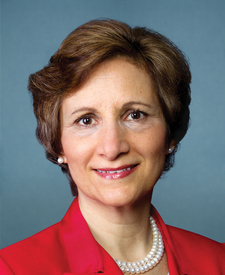
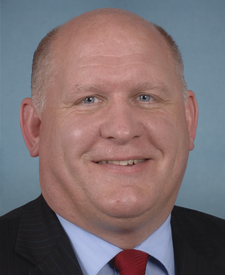
Legislative Progress
IntroducedMs. Bonamici (for herself and Mr. Thompson of Pennsylvania) introduced …
Stakeholder Effects
cui bono?How this legislation distributes effects. Mention counts reflect frequency, not effect magnitude.
Grant applicant partnerships, Industry-sector partnerships in energy, construction, transportation, and utilities, Industry-sector partnerships in infrastructure
Positive-direction: Industry-sector partnerships in energy, construction, transportation, and utilities, Industry-sector partnerships in infrastructure, Infrastructure employers needing trained workers, Infrastructure workforce training partnerships
Negative-direction: Grant applicant partnerships
Apprenticeship program sponsors, Workforce development boards, Workforce training providers and community colleges
Labor organizations in infrastructure sectors, Workers with barriers to employment, Workers with barriers to employment (veterans, formerly incarcerated, recovery)
Department of Labor, Department of Labor (administration)
Positive-direction: Department of Labor (administration)
Negative-direction: Department of Labor
Bill Structure & Actor Mappings
Who is "The Secretary" in each section?
- "the_secretary"
- → Secretary of Labor
Key Definitions
Terms defined in this bill
The Secretary of Labor
A partnership that is an industry or sector partnership, or (for implementation grants) a partnership in the process of establishing one
An industry including transportation, energy, water, telecommunications, broadband, construction, and related industries
We use a combination of our own taxonomy and classification in addition to large language models to assess meaning and potential beneficiaries. High confidence means strong textual evidence. Always verify with the original bill text.
Learn more about our methodology