To remove barriers to the ability of unhoused individuals to register to vote and vote in elections for Federal office, and for other purposes.
Analysis under review: This bill has generated analysis that may be too generic or incomplete. Clause-level evidence remains available below.
Summary
What This Bill Does
This bill, To remove barriers to the ability of unhoused individuals to register to vote and vote in elections for Federal office, and for other purposes., changes federal law or congressional policy affecting law enforcement, courts, victims, and regulated public-safety actors. The main policy domain is Criminal Justice, Civil Rights, Housing.
Who Benefits and How
law enforcement, courts, victims, and regulated public-safety actors may benefit from new authority, funding, eligibility, regulatory clarity, or reduced risk created by the bill.
Who Bears the Burden and How
federal implementing agencies, law enforcement, courts, victims, and regulated public-safety actors may take on implementation duties, reporting obligations, compliance costs, or oversight responsibilities.
Key Provisions
- Section H1DA324F6C9844AC6A17D2DE4F04971EB: 1. Short title; table of contents This Act may be cited as the Unhoused Voter Opportunity Through Elections Act or the Unhoused VOTE Act. The table of contents...
- Section HBCBB08D4A7454A1E9DEE9E08BB7C7247: 101. Voting rights of unhoused citizens No voting qualification or prerequisite to voting, or standard, practice, or procedure shall be imposed or applied by...
- Section H939E5F18985F4AB29DF955569ADA1544: 102. Enforcement The Attorney General may commence in the name of the United States a civil action (including an action against a State or political...
- Section HAD7D9E160B1B4326A9E3D14E3806988E: 103. Relationship to Voting Rights Act of 1965 Nothing in this title may be construed to impair any right guaranteed by the Voting Rights Act of 1965 (52...
- Section H98A18B53AE234AAEA536AB1FFEF82613: 104. Definitions As used in this title, the term nontraditional abode includes— a supervised publicly or privately operated shelter designed to provide...
Evidence Chain:
This summary is generated from the full bill text using AI analysis. Expand "Detailed Analysis" below for identified beneficiaries/burden bearers with clause-level evidence links.
At a Glance
What This Bill Does
This bill, To remove barriers to the ability of unhoused individuals to register to vote and vote in elections for Federal office, and for other purposes., changes federal law or congressional policy affecting law enforcement, courts, victims, and regulated public-safety actors.
Key Policy Areas
Criminal Justice, Civil Rights, Housing
Primary Purpose
This bill, To remove barriers to the ability of unhoused individuals to register to vote and vote in elections for Federal office, and for other purposes., changes federal law or congressional policy affecting law enforcement, courts, victims, and regulated public-safety actors.
Policy Domains
Whole bill
Identified Gains
- law enforcement, courts, victims, and regulated public-safety actors
Identified Costs
- federal implementing agencies
- law enforcement, courts, victims, and regulated public-safety actors
Sponsors

Legislative Progress
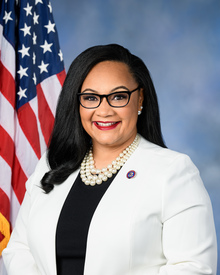
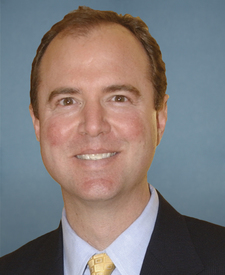
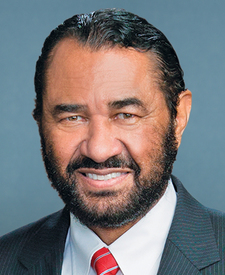
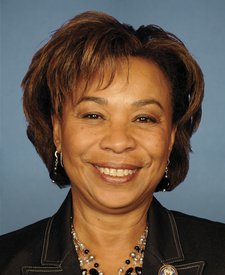
IntroducedMs. Williams of Georgia (for herself, Mr. Cleaver, Mr. Allred, …
Impact analysis is available but no clear stakeholder effects identified. View clause-level analysis →
Bill Structure & Actor Mappings
Who is "The Secretary" in each section?
- "the_commission"
- → The commission identified in the operative section
Key Definitions
Terms defined in this bill
an emergency shelter under section 321 of the McKinney-Vento Homeless Assistance Act (42 U.S.C. 11351)
an emergency shelter under section 321 of the McKinney-Vento Homeless Assistance Act (42 U.S.C. 11351)
We use a combination of our own taxonomy and classification in addition to large language models to assess meaning and potential beneficiaries. High confidence means strong textual evidence. Always verify with the original bill text.
Learn more about our methodology