Healthcare Workforce Resilience Act
Summary
What This Bill Does
The Healthcare Workforce Resilience Act uses unused employment-based immigrant visas to address health workforce shortages. It increases employment-based visas by the difference between visas made available and visas actually used from fiscal years 1992 through 2024, reduced by later use of the recaptured pool. Up to 40,000 employment-based immigrants whose petitions are filed within three years of enactment may use the recaptured visas, with 25,000 reserved for professional nurses and 15,000 reserved for physicians. Accompanying or following family members receive unreserved visas from the same recaptured pool and do not count against the nurse or physician reservations. The visas are not subject to per-country numerical limits and are issued by priority date, but are available only when a visa is not otherwise immediately available under worldwide and per-country allocations. DHS and State must provide premium processing procedures without charging a premium fee, USCIS must expedite shipment of resolved consular-processing petitions to State, and State must expedite application processing. Before a professional nurse visa is issued, the petitioner must attest in the job-offer letter that hiring the alien has not displaced and will not displace a United States worker.
Who Benefits and How
Professional nurse immigrants benefit from 25,000 reserved recaptured employment-based visas that are exempt from per-country caps. Physician immigrants benefit from 15,000 reserved recaptured employment-based visas issued in priority-date order. Hospitals facing staffing shortages benefit from faster access to immigrant nurses and physicians. Immigrant family members benefit because accompanying or following family visas come from the recaptured pool without counting against the nurse or physician reservations.
Who Bears the Burden and How
U.S. Citizenship and Immigration Services staff must provide premium processing procedures without charging premium processing fees. State Department consular officers must expedite processing after receiving petitions from USCIS. Health care employers petitioning for nurses must attest that hiring will not displace a United States worker. Domestic nurse applicants may face more competition for positions if employers use the reserved visa pool.
Key Provisions
- Recaptures unused employment-based immigrant visas from fiscal years 1992 through 2024.
- Reserves 25,000 visas for professional nurses and 15,000 visas for physicians.
- Exempts recaptured visas from per-country numerical limits and issues them by priority date.
- Requires DHS and State premium and expedited processing without a USCIS premium fee.
- Requires nurse-petition job offers to attest that U.S. workers have not been and will not be displaced.
Evidence Chain:
This summary is generated from the full bill text using AI analysis. Expand "Detailed Analysis" below for identified beneficiaries/burden bearers with clause-level evidence links.
At a Glance
What This Bill Does
Recaptures unused employment-based immigrant visas from fiscal years 1992 through 2024 for up to 40,000 nurses and physicians plus family members, reserves 25,000 for professional nurses and 15,000 for physicians, waives per-country caps, requires premium and expedited processing without premium fees, and requires nurse-petition labor-displacement attestations.
Key Policy Areas
Immigration, Health Care Workforce, Hospitals
Primary Purpose
Recaptures unused employment-based immigrant visas from fiscal years 1992 through 2024 for up to 40,000 nurses and physicians plus family members, reserves 25,000 for professional nurses and 15,000 for physicians, waives per-country caps, requires premium and expedited processing without premium fees, and requires nurse-petition labor-displacement attestations.
Policy Domains
Resolution provisions
Identified Gains
- Professional nurse immigrants
- Physician immigrants
- Hospitals facing staffing shortages
- Immigrant family members
Identified Costs
- U.S. Citizenship and Immigration Services staff
- State Department consular officers
- Health care employers petitioning for nurses
- Domestic nurse applicants
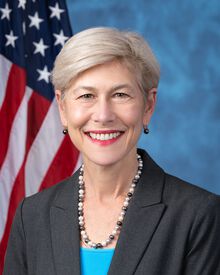
Sponsors
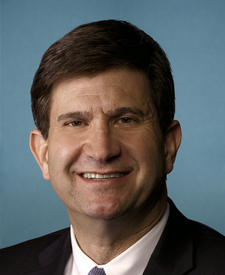
Legislative Progress
In CommitteeMr. Schneider (for himself and Mr. Bacon) introduced the following …
Referred to the House Committee on the Judiciary.
Introduced in House
Stakeholder Effects
cui bono?How this legislation distributes effects. Mention counts reflect frequency, not effect magnitude.
Domestic nurse applicants, Professional nurse immigrants
Positive-direction: Professional nurse immigrants
Negative-direction: Domestic nurse applicants
State Department consular officers, U.S. Citizenship and Immigration Services staff
Bill Structure & Actor Mappings
Who is "The Secretary" in each section?
We use a combination of our own taxonomy and classification in addition to large language models to assess meaning and potential beneficiaries. High confidence means strong textual evidence. Always verify with the original bill text.
Learn more about our methodology