To amend title XXVII of the Public Health Service Act, the Internal Revenue Code of 1986, and the Employee Retirement Income Security Act of 1974 to reduce patient cost sharing for prescription drug inhaler products used to treat breathing disorders such as asthma and chronic obstructive pulmonary disease, and for other purposes.
Analysis under review: This bill has generated analysis that may be too generic or incomplete. Clause-level evidence remains available below.
Summary
What This Bill Does
The Affordable Inhalers Act caps patient out-of-pocket costs for prescription inhaler products (used to treat asthma, COPD, and other breathing disorders) at 15 dollars per 30-day supply. It eliminates deductibles for inhalers. These caps apply across virtually every type of health coverage in the United States: private group and individual plans (via the Public Health Service Act), employer-sponsored ERISA plans, IRS-regulated group plans, Medicare Part B, and Medicare Part D. For high-deductible health plans paired with Health Savings Accounts, covering inhalers before the deductible will not disqualify the plan. For uninsured individuals, HHS must establish a federal payment program so registered providers can furnish inhalers at no more than 15 dollars per month to uninsured patients, with the federal government reimbursing the provider. All provisions take effect for plan years beginning on or after January 1, 2026.
Who Benefits and How
- Patients with asthma and COPD: Dramatically reduced out-of-pocket costs for maintenance and rescue inhalers, which currently can cost 200 to 600 dollars per inhaler without insurance and 50 to 100+ dollars with insurance copays
- Uninsured individuals: Gain access to inhalers at 15 dollars per month through a new federal program, whereas they currently pay full retail price
- Medicare beneficiaries: Part B and Part D inhaler costs capped at 15 dollars per month with no deductible, reducing financial burden on seniors and disabled enrollees
- HSA-eligible enrollees: Can keep their high-deductible health plan status while benefiting from pre-deductible inhaler coverage
Who Bears the Burden and How
- Health insurance companies: Must absorb the cost difference between their current cost-sharing structure and the 15 dollar cap, reducing premium cost-sharing offsets
- Group health plan sponsors (employers): Bear increased plan costs as deductibles and higher copays for inhalers are eliminated
- Federal government/taxpayers: Must fund the uninsured inhaler program and absorb reduced Medicare cost-sharing revenue; program spending is subject to appropriations
- Pharmacy benefit managers: Reduced leverage over inhaler pricing as the cost-sharing cap limits their ability to steer patients with differential copays
Key Provisions
- Caps cost-sharing for all specified inhaler products at 15 dollars per 30-day supply across group and individual health plans
- Eliminates deductibles for inhaler products in all covered plan types
- Cost-sharing payments count toward out-of-pocket maximums and deductibles
- Creates safe harbor so HDHPs can cover inhalers pre-deductible without losing HSA eligibility
- Caps Medicare Part B cost-sharing at 15 dollars per 30-day supply with 100% payment for amounts above that
- Eliminates Part D deductible for inhalers and caps Part D cost-sharing at 15 dollars per month
- Establishes a federal Specified Inhaler Product Payment Program for uninsured individuals
- Defines specified inhaler product broadly: maintenance inhalers, rescue inhalers, nebulizer solutions, bronchodilators, corticosteroids, and associated equipment
- Effective date: plan years beginning on or after January 1, 2026
Evidence Chain:
This summary is generated from the full bill text using AI analysis. Expand "Detailed Analysis" below for identified beneficiaries/burden bearers with clause-level evidence links.
At a Glance
What This Bill Does
Cap patient cost-sharing for prescription inhaler products at 15 dollars per 30-day supply across all insurance types and create a federal payment program for uninsured individuals
Key Policy Areas
Healthcare, Health Insurance Regulation, Tax Policy, Medicare, Prescription Drug Pricing
Primary Purpose
Cap patient cost-sharing for prescription inhaler products at 15 dollars per 30-day supply across all insurance types and create a federal payment program for uninsured individuals
Policy Domains
Affordable Inhalers Act - Comprehensive Inhaler Cost-Sharing Caps
Identified Gains
- Patients with asthma and COPD who use inhaler products
- Uninsured individuals needing inhaler access
- Medicare beneficiaries (Part B and Part D) using inhalers
- HSA-eligible individuals with breathing disorders
Identified Costs
- Health insurance companies
- Employer-sponsored group health plans
- Federal government (Medicare and uninsured program funding)
- Pharmacy benefit managers
Sponsors




Legislative Progress
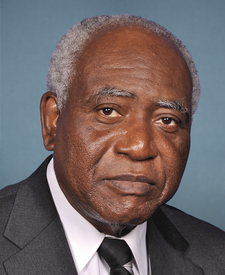
IntroducedMr. Mfume (for himself, Mr. Johnson of Georgia, Ms. Norton, …
Stakeholder Effects
cui bono?How this legislation distributes effects. Mention counts reflect frequency, not effect magnitude.
HSA-eligible individuals with breathing disorders, Medicare Part B beneficiaries using inhalers, Medicare Part D beneficiaries using inhalers
ERISA-regulated group health plans, Employer-sponsored group health plans, Group health plans
Positive-direction: High-deductible health plans (HDHP administrators)
Negative-direction: ERISA-regulated group health plans, Employer-sponsored group health plans, Group health plans, Health insurance issuers (group and individual markets), Health insurance issuers (group market), IRC-regulated group health plans (employers), Medicare Part D prescription drug plans
Pharmaceutical companies (inhaler manufacturers), Pharmacy benefit managers
Positive-direction: Pharmaceutical companies (inhaler manufacturers)
Negative-direction: Pharmacy benefit managers
Federal government, Medicare program (federal government)
Bill Structure & Actor Mappings
Who is "The Secretary" in each section?
- "HHS Secretary"
- → Establishes and administers the uninsured inhaler payment program; determines reimbursement amounts for program-registered providers
- "Group health plans"
- → Must provide inhaler coverage with no deductible and cost-sharing capped at 15 dollars per 30-day supply
- "Health insurance issuers"
- → Must provide inhaler coverage in group and individual markets with cost-sharing caps
- "Program-registered providers"
- → Licensed providers who agree to cap uninsured patient costs at 15 dollars per month in exchange for federal reimbursement
Key Definitions
Terms defined in this bill
We use a combination of our own taxonomy and classification in addition to large language models to assess meaning and potential beneficiaries. High confidence means strong textual evidence. Always verify with the original bill text.
Learn more about our methodology