Pakistan Freedom and Accountability Act
Summary
What This Bill Does
The Pakistan Freedom and Accountability Act combines a democracy statement with a targeted sanctions process. Congress cites Pakistan's human-rights commitments, military influence, prior election-monitor concerns, State Department human-rights findings, and alleged interference in the February 8, 2024 general election. The policy section supports free and fair elections, calls for stronger U.S. engagement with Pakistan on democracy, human rights, and rule of law, and condemns suppression through harassment, intimidation, violence, arbitrary detention, internet restrictions, and violations of civil or political rights. Within 180 days, the President must report to congressional foreign-affairs committees on Pakistani government, military, or security officials, former officials, and entities they own or control that are credibly responsible for gross human-rights violations or gross violations associated with undermining democracy. The President may impose Global Magnitsky sanctions on listed foreign persons. The sanctions have exceptions for U.N. headquarters obligations, agriculture, food, medicine, medical devices, humanitarian assistance, humanitarian financial transactions, humanitarian transport, and authorized U.S. intelligence, law-enforcement, and national-security activity.
Who Benefits and How
Pakistani civil society organizations benefit because the bill creates a U.S. reporting and sanctions pathway for officials tied to election suppression and human-rights abuses. Pakistani voter groups benefit from congressional pressure against intimidation, arbitrary detention, internet restrictions, and restrictions on assembly or expression. Human rights advocacy organizations benefit from a statutory vehicle requiring the President to identify officials and controlled entities based on credible evidence. Congressional foreign affairs committees benefit from a 180-day report that can be classified if needed.
Who Bears the Burden and How
Pakistani military officers accused of gross human-rights violations face possible Global Magnitsky sanctions. Pakistani security force officers linked to undermining democracy face asset-blocking or visa consequences if sanctioned. Businesses owned by sanctioned Pakistani officials may be identified in the required report and exposed to sanctions risk. State Department sanctions staff must evaluate evidence, support the presidential report, and administer humanitarian exceptions.
Key Provisions
- Requires a presidential report identifying Pakistani officials, former officials, and controlled entities tied to gross human-rights violations.
- Authorizes Global Magnitsky sanctions for foreign persons identified in the report.
- Protects humanitarian assistance, food, medicine, medical devices, and humanitarian financial transactions from sanctions coverage.
- Exempts U.N. headquarters obligations and authorized U.S. intelligence, law-enforcement, and national-security activities.
- Strengthens congressional oversight of democracy and human-rights conditions in Pakistan after the 2024 election.
Evidence Chain:
This summary is generated from the full bill text using AI analysis. Expand "Detailed Analysis" below for identified beneficiaries/burden bearers with clause-level evidence links.
At a Glance
What This Bill Does
Requires a presidential report on Pakistani government, military, or security officials responsible for gross human-rights violations tied to undermining democracy and authorizes Global Magnitsky sanctions with humanitarian, U.N., intelligence, and law-enforcement exceptions.
Key Policy Areas
Foreign Affairs, Human Rights, Sanctions
Primary Purpose
Requires a presidential report on Pakistani government, military, or security officials responsible for gross human-rights violations tied to undermining democracy and authorizes Global Magnitsky sanctions with humanitarian, U.N., intelligence, and law-enforcement exceptions.
Policy Domains
Resolution provisions
Identified Gains
- Pakistani civil society organizations
- Pakistani voter groups
- Human rights advocacy organizations
- Congressional foreign affairs committees
Identified Costs
- Pakistani military officers
- Pakistani security force officers
- Businesses owned by sanctioned Pakistani officials
- State Department sanctions staff
Sponsors
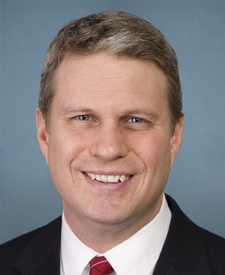

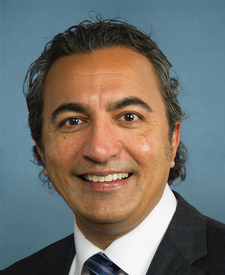

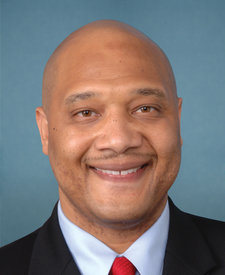
Legislative Progress
In CommitteeMr. Huizenga (for himself, Ms. Kamlager-Dove, Mr. Moolenaar, Ms. Johnson …
Referred to the Committee on Foreign Affairs, and in addition …
Introduced in House
Stakeholder Effects
cui bono?How this legislation distributes effects. Mention counts reflect frequency, not effect magnitude.
Pakistani military officers, Pakistani security force officers, State Department sanctions staff
Bill Structure & Actor Mappings
Who is "The Secretary" in each section?
We use a combination of our own taxonomy and classification in addition to large language models to assess meaning and potential beneficiaries. High confidence means strong textual evidence. Always verify with the original bill text.
Learn more about our methodology