SAFE Ride Act of 2025
Summary
What This Bill Does
The SAFE Ride Act creates a federal grant program for state electric-bike safety programs. To qualify, a state must enforce safety requirements for shared electric bike systems, run public education on helmet use and safe riding, support helmet safety laws modeled on national standards, collect electric-bike accident data, require shared mobility operators to report accident data by demographic group to the Secretary, and support local law enforcement implementation. States must also provide grant funding or guidance to local law enforcement to address unsafe underage riding, including penalties, impounding unsafe vehicles, and public outreach. The Transportation Secretary must establish national standards recommending helmet use for riders under age 18, curricula on electric-bike use and helmet safety, and program guidelines. The bill channels money to states that build a safety, data, education, and enforcement system around e-bike use.
Who Benefits and How
State transportation agencies benefit from federal grant eligibility when they operate qualifying electric-bike safety programs. Underage electric-bike riders benefit from helmet-use standards, safety education, and enforcement against unsafe riding. Local law enforcement agencies benefit from state grant funding or guidance for underage e-bike enforcement and outreach. Public health departments benefit from better electric-bike accident data by demographic group.
Who Bears the Burden and How
Shared mobility operators must report electric-bike accident data by demographic group to the Secretary. State transportation agencies must enforce shared e-bike system rules, collect accident data, and administer qualifying programs. Local law enforcement officers must implement penalties, impoundment, and outreach for unsafe underage riding if states use the program. Department of Transportation staff must write national standards, curricula, guidelines, and grant rules.
Key Provisions
- Creates DOT grants for states with electric-bike safety programs.
- Requires qualifying states to enforce shared e-bike safety rules and collect accident data.
- Requires shared mobility operators to report accident data by demographic group.
- Funds or guides local law enforcement responses to unsafe underage electric-bike riding.
- Requires national helmet-use standards, safety curricula, and program guidelines.
Evidence Chain:
This summary is generated from the full bill text using AI analysis. Expand "Detailed Analysis" below for identified beneficiaries/burden bearers with clause-level evidence links.
At a Glance
What This Bill Does
Creates a Department of Transportation grant program for states with electric-bike safety programs that enforce shared e-bike safety rules, educate riders, collect accident data, support helmet laws, and help local law enforcement address unsafe underage riding.
Key Policy Areas
Transportation, Public Safety, Micromobility
Primary Purpose
Creates a Department of Transportation grant program for states with electric-bike safety programs that enforce shared e-bike safety rules, educate riders, collect accident data, support helmet laws, and help local law enforcement address unsafe underage riding.
Policy Domains
Resolution provisions
Identified Gains
- State transportation agencies
- Underage electric-bike riders
- Local law enforcement agencies
- Public health departments
Identified Costs
- Shared mobility operators
- State transportation agencies
- Local law enforcement officers
- Department of Transportation staff
Sponsors
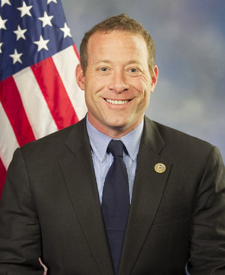

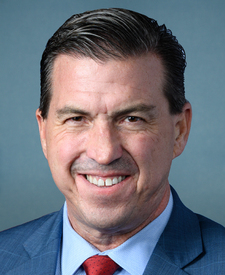

Legislative Progress
In CommitteeMr. Gottheimer introduced the following bill; which was referred to …
Referred to the House Committee on Transportation and Infrastructure.
Introduced in House
Stakeholder Effects
cui bono?How this legislation distributes effects. Mention counts reflect frequency, not effect magnitude.
Bill Structure & Actor Mappings
Who is "The Secretary" in each section?
We use a combination of our own taxonomy and classification in addition to large language models to assess meaning and potential beneficiaries. High confidence means strong textual evidence. Always verify with the original bill text.
Learn more about our methodology