To require approval from the Secretary of Housing and Urban Development for any Federal manufactured home and safety standards, and for other purposes.
Sponsors
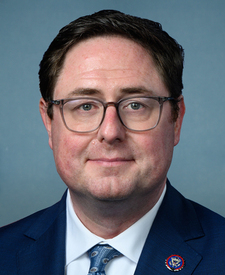
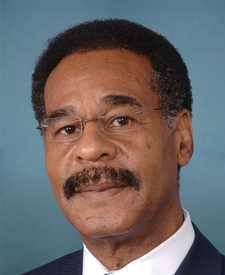
Legislative Progress
IntroducedMr. Flood (for himself and Mr. Cleaver) introduced the following …
Summary
What This Bill Does
This bill makes the Secretary of Housing and Urban Development (HUD) the sole Federal authority responsible for setting construction and safety standards for manufactured homes (mobile homes). Any other Federal agency, such as the Department of Energy or EPA, must first submit their proposed manufactured home standards to HUD for approval and cannot implement them without HUD's permission.
Who Benefits and How
Manufactured home producers and manufacturers are the primary beneficiaries. The bill allows the HUD Secretary to reject any new standards from other agencies if they would "significantly increase the cost of producing manufactured homes," which shields the industry from more expensive energy efficiency or environmental regulations. This reduces compliance burdens and protects manufacturers from potentially costly new requirements from agencies like the Department of Energy.
Who Bears the Burden and How
Other Federal agencies, particularly the Department of Energy and the Environmental Protection Agency, face new barriers to setting manufactured home standards. They must now obtain HUD approval before implementing regulations related to energy efficiency, emissions, or other environmental concerns. This requirement could delay or prevent stronger environmental and energy standards for manufactured homes. Environmental and consumer advocacy groups may also be negatively affected, as they lose alternative regulatory pathways for improving manufactured home quality and sustainability.
Key Provisions
- Establishes HUD Secretary as the primary authority for all Federal manufactured home construction and safety standards
- Requires other Federal agencies to submit proposed standards to HUD and obtain approval before implementation
- Authorizes HUD to reject proposed standards that would significantly increase production costs, conflict with existing HUD standards, or for any other reason the Secretary deems appropriate
- Adds "energy efficiency" to the list of factors HUD considers when setting manufactured home standards (currently in section 603(7) of the Housing and Community Development Act of 1974)
- Does not require HUD to create any new or revised standards, only gives HUD veto power over other agencies' proposals
Evidence Chain:
This summary is derived from the structured analysis below. See "Detailed Analysis" for per-title beneficiaries/burden bearers with clause-level evidence links.
Primary Purpose
Establishes HUD Secretary as primary authority for Federal manufactured home construction and safety standards, requiring other agencies to obtain approval before establishing new standards.
Policy Domains
Legislative Strategy
"Centralize regulatory authority over manufactured housing standards in HUD to streamline standards and prevent conflicting regulations from multiple agencies"
Likely Beneficiaries
- Manufactured home producers
- Manufactured Housing Institute
- Industry trade groups
Likely Burden Bearers
- Other Federal agencies (e.g., DOE, EPA) seeking to regulate manufactured homes
- Environmental advocacy groups
- Consumer protection advocates
Bill Structure & Actor Mappings
Who is "The Secretary" in each section?
- "the_secretary"
- → Secretary of Housing and Urban Development
- "federal_agencies"
- → All Federal agencies seeking to establish manufactured home standards
Key Definitions
Terms defined in this bill
Standards established under the Housing and Community Development Act of 1974 (42 U.S.C. 5401 et seq.) relating to manufactured home construction and safety
We use a combination of our own taxonomy and classification in addition to large language models to assess meaning and potential beneficiaries. High confidence means strong textual evidence. Always verify with the original bill text.
Learn more about our methodology