To provide for the authorities of the Secretary of State.
Analysis under review: This bill has generated analysis that may be too generic or incomplete. Clause-level evidence remains available below.
Summary
What This Bill Does
The bill establishes key definitions for the Act including "Secretary" as Secretary of State, "Department" as Department of State, "Deputy Secretary" as Deputy Secretary of State, and "appropriate congressional committees", authorizes the Secretary of State to establish positions in the Office of the Secretary to support situational awareness and decision-making, including Chief of Staff, Counselor, and Executive Secretariat, and establishes the role and responsibilities of the U.S. Ambassador to the United Nations, including opposing malign influence operations, holding accountable Member States engaging in such operations, and supporting. It relies on compliance mandates, definition changes, appropriations, and reporting requirements. The main policy areas are Government Organization, Foreign Affairs, Foreign Policy, and Technology.
Who Benefits and How
State Department bureaus and offices could gain revenue opportunities, U.S. Mission to the United Nations would be affected, and Taiwan could face fewer barriers.
Who Bears the Burden and How
UN Member States engaging in malign influence would take on compliance duties.
Key Provisions
- Establishes key definitions for the Act including "Secretary" as Secretary of State, "Department" as Department of State, "Deputy Secretary" as Deputy Secretary of State, and "appropriate congressional committees"...
- Authorizes the Secretary of State to establish positions in the Office of the Secretary to support situational awareness and decision-making, including Chief of Staff, Counselor, and Executive Secretariat.
- Establishes the role and responsibilities of the U.S. Ambassador to the United Nations, including opposing malign influence operations, holding accountable Member States engaging in such operations, and supporting...
- Authorizes the U.S. Mission to the United Nations, establishes its composition, and defines the administrative and coordination responsibilities of the Chief of Mission (UN Ambassador).
- Creates lists the authorized bureaus and offices within the Department of State and allows the Secretary to delegate coordination responsibilities to the Deputy Secretary.
Evidence Chain:
This summary is generated from the full bill text using AI analysis. Expand "Detailed Analysis" below for identified beneficiaries/burden bearers with clause-level evidence links.
At a Glance
What This Bill Does
The bill establishes key definitions for the Act including "Secretary" as Secretary of State, "Department" as Department of State, "Deputy Secretary" as Deputy Secretary of State, and "appropriate congressional committees", authorizes the Secretary of State to establish positions in the Office of the Secretary to support situational awareness and decision-making, including Chief of Staff, Counselor, and Executive Secretariat, and establishes the role and responsibilities of the U.S. Ambassador to the United Nations, including opposing malign influence operations, holding accountable Member States engaging in such operations, and supporting.
Key Policy Areas
Government Organization, Foreign Affairs, Foreign Policy, Technology
Primary Purpose
The bill establishes key definitions for the Act including "Secretary" as Secretary of State, "Department" as Department of State, "Deputy Secretary" as Deputy Secretary of State, and "appropriate congressional committees", authorizes the Secretary of State to establish positions in the Office of the Secretary to support situational awareness and decision-making, including Chief of Staff, Counselor, and Executive Secretariat, and establishes the role and responsibilities of the U.S. Ambassador to the United Nations, including opposing malign influence operations, holding accountable Member States engaging in such operations, and supporting.
Policy Domains
Section 1 - Definitions
Identified Gains
- State Department bureaus and offices
- U.S. Mission to the United Nations
- Taiwan
- Office of the Spokesperson
- Office of the Legal Adviser
Identified Costs
- UN Member States engaging in malign influence
Sponsors
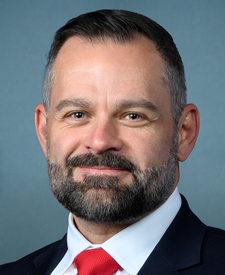
Legislative Progress
IntroducedMr. Mills introduced the following bill; which was referred to …
Stakeholder Effects
cui bono?How this legislation distributes effects. Mention counts reflect frequency, not effect magnitude.
Bureau of Intelligence and Research, Bureau of Legislative Affairs, Crisis Management and Strategy Unit
Foreign diplomats and dignitaries, Taiwan, UN Member States engaging in malign influence
Positive-direction: Foreign diplomats and dignitaries, Taiwan
Negative-direction: UN Member States engaging in malign influence
Congressional appropriations committees, Congressional committees (Foreign Affairs, Foreign Relations)
Bill Structure & Actor Mappings
Who is "The Secretary" in each section?
- "the_secretary"
- → Secretary of State
- "the_department"
- → Department of State
- "appropriate_congressional_committees"
- → House Foreign Affairs and Senate Foreign Relations Committees
- "the_secretary"
- → Secretary of State
- "us_ambassador_to_un"
- → United States Ambassador to the United Nations
- "the_secretary"
- → Secretary of State
- "spokesperson"
- → Spokesperson of the Department of State
- "legal_adviser"
- → Legal Adviser
- "the_secretary"
- → Secretary of State
- "deputy_secretary"
- → Deputy Secretary of State
- "chief_of_protocol"
- → United States Chief of Protocol
- "assistant_secretary_inr"
- → Assistant Secretary for Intelligence and Research
- "director_policy_planning"
- → Director of Policy Planning
- "assistant_secretary_legislative"
- → Assistant Secretary for Legislative Affairs
- "the_secretary"
- → Secretary of State
Key Definitions
Terms defined in this bill
The Committee on Foreign Affairs of the House of Representatives and the Committee on Foreign Relations of the Senate
The Department of State
The Deputy Secretary of State
The Secretary of State
A staff member compensated in any form in the general services, professional staff, or senior management of the United Nations system, including consultants and contractors
Actions by Member States to undermine UN impartiality
We use a combination of our own taxonomy and classification in addition to large language models to assess meaning and potential beneficiaries. High confidence means strong textual evidence. Always verify with the original bill text.
Learn more about our methodology