To repeal the Second Chance Amendment Act of 2022 and the Incarceration Reduction Amendment Act of 2016.
Summary
What This Bill Does
This bill directly repeals several District of Columbia laws. It repeals the Second Chance Amendment Act of 2022 and restores any provision of law that act amended or repealed. It also repeals the Incarceration Reduction Amendment Act of 2016, which was part of DC youth and sentencing reform law, and restores provisions changed by that act. Those changes would affect prosecutions handled by the Office of the Attorney General for the District of Columbia, the United States Attorney's Office for the District of Columbia, the Superior Court of the District of Columbia, and the District Department of Corrections.
The bill also repeals title IX of the Fiscal Year 1997 Budget Support Act of 1996, which terminates DC's automated traffic enforcement system administered through District transportation agencies. It repeals the DC traffic-law section restricting right turns at red traffic signals, affecting the District Department of Transportation, the Metropolitan Police Department, and traffic camera vendors. The effective-date provision says the act and its amendments apply to criminal conduct occurring after enactment, so the criminal-justice repeals are prospective for new conduct rather than retroactive for earlier conduct.
Who Benefits and How
The Office of the Attorney General for the District of Columbia and the United States Attorney's Office for the District of Columbia benefit from restoration of pre-reform criminal-justice rules for conduct after enactment. The Metropolitan Police Department benefits if repeal of sentencing and second-chance reforms makes prosecution and detention rules stricter. DC drivers benefit from repeal of automated traffic enforcement and repeal of right-turn-on-red restrictions because those changes can reduce tickets and driving limits. Members of Congress seeking tighter control over DC criminal and traffic policy benefit from direct repeal of local laws.
Who Bears the Burden and How
Criminal defendants in DC bear the main criminal-justice burden because second-chance and incarceration-reduction reforms would be repealed for future conduct. Incarcerated people seeking sentence reduction through the Superior Court of the District of Columbia lose legal avenues. Returning citizens with criminal records face higher barriers if second-chance provisions are restored to pre-reform law. The District Department of Transportation and District transportation revenue offices lose automated traffic enforcement authority and revenue. Pedestrians and cyclists may face greater safety risk if automated enforcement and right-turn restrictions are removed. DC home-rule supporters bear a governance burden because Congress would override local criminal and traffic policy.
Key Provisions
- Repeals the Second Chance Amendment Act of 2022 and restores provisions it amended or repealed.
- Repeals the Incarceration Reduction Amendment Act of 2016 and restores affected DC law.
- Terminates DC's automated traffic enforcement system by repealing the relevant Budget Support Act title.
- Repeals the DC restriction on right turns at red traffic signals.
- Applies the criminal-justice changes to criminal conduct occurring after enactment.
Evidence Chain:
This summary is generated from the full bill text using AI analysis. Expand "Detailed Analysis" below for identified beneficiaries/burden bearers with clause-level evidence links.
At a Glance
What This Bill Does
Repeals two District of Columbia criminal-justice reform laws, repeals the DC automated traffic enforcement system, repeals the DC right-turn-on-red restriction, and applies the criminal-justice changes to criminal conduct occurring after enactment.
Key Policy Areas
District of Columbia, Criminal Justice, Transportation, Traffic Safety
Primary Purpose
Repeals two District of Columbia criminal-justice reform laws, repeals the DC automated traffic enforcement system, repeals the DC right-turn-on-red restriction, and applies the criminal-justice changes to criminal conduct occurring after enactment.
Policy Domains
House resolution provisions
Identified Gains
- Office of the Attorney General for the District of Columbia
- United States Attorney's Office for the District of Columbia
- Metropolitan Police Department
- DC drivers
- Members of Congress seeking tighter DC policy control
Identified Costs
- Criminal defendants in DC
- Incarcerated people seeking sentence reduction
- Returning citizens with criminal records
- Superior Court of the District of Columbia
- District Department of Corrections
- District Department of Transportation
- District transportation revenue offices
- Pedestrians
- Cyclists
- DC home-rule supporters
Sponsors
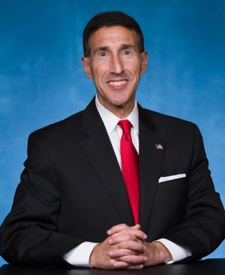
David Kustoff
R-TN | Primary Sponsor
Legislative Progress
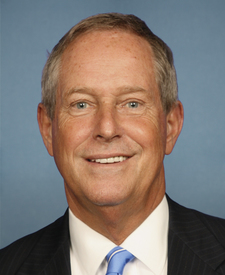
ReportedAdditional sponsor: Mr. Wilson of South Carolina
Reported with an amendment, committed to the Committee of the …
Placed on the Union Calendar, Calendar No. 293.
Reported (Amended) by the Committee on Oversight and Government Reform. …
Mr. Kustoff introduced the following bill; which was referred to …
Introduced in House
Ordered to be Reported (Amended) by the Yeas and Nays: …
Referred to the House Committee on Oversight and Government Reform.
Committee Consideration and Mark-up Session Held
Stakeholder Effects
cui bono?How this legislation distributes effects. Mention counts reflect frequency, not effect magnitude.
Criminal defendants in DC, DC prosecutors, Incarcerated people seeking sentence reduction
Positive-direction: DC prosecutors, Law enforcement agencies in DC
Negative-direction: Criminal defendants in DC, Incarcerated people seeking sentence reduction, Returning citizens with criminal records
DC home-rule supporters, District traffic safety officials, District transportation revenue offices
Positive-direction: District traffic safety officials
Negative-direction: DC home-rule supporters, District transportation revenue offices
DC drivers, Traffic camera vendors
Positive-direction: DC drivers
Negative-direction: Traffic camera vendors
Bill Structure & Actor Mappings
Who is "The Secretary" in each section?
- "mpd"
- → Metropolitan Police Department
- "ddot"
- → District Department of Transportation
- "dc_doc"
- → District Department of Corrections
- "dc_oag"
- → Office of the Attorney General for the District of Columbia
- "usao_dc"
- → United States Attorney's Office for the District of Columbia
- "dc_court"
- → Superior Court of the District of Columbia
We use a combination of our own taxonomy and classification in addition to large language models to assess meaning and potential beneficiaries. High confidence means strong textual evidence. Always verify with the original bill text.
Learn more about our methodology