Peace Corps Modernization Act
Summary
What This Bill Does
The bill provides caps Peace Corps administrative overhead at 15% of total appropriations and mandates remaining 85% be directed toward volunteer recruitment, training, support, and increasing volunteer deployment worldwide, directs Secretary of State to set Peace Corps country deployment priorities aligned with U.S, and requires Peace Corps Director to coordinate with ambassadors and chiefs of mission to integrate country-level operations with U.S. It relies on compliance mandates, reporting requirements, appropriations, and exemptions. The main policy areas are Foreign Policy & Diplomacy and Foreign Policy.
Who Benefits and How
Returning and former Peace Corps volunteers could gain revenue opportunities, Republic of the Marshall Islands could gain revenue opportunities, and Palau could gain revenue opportunities.
Who Bears the Burden and How
Peace Corps Director would take on compliance duties, Department of State would take on compliance duties, and Peace Corps country-level programs could face increased risk.
Key Provisions
- Provides caps Peace Corps administrative overhead at 15% of total appropriations and mandates remaining 85% be directed toward volunteer recruitment, training, support, and increasing volunteer deployment worldwide.
- Directs Secretary of State to set Peace Corps country deployment priorities aligned with U.S.
- Requires Peace Corps Director to coordinate with ambassadors and chiefs of mission to integrate country-level operations with U.S.
- Directs Secretary of State to establish within 180 days a streamlined Foreign Service application pathway exclusively for returning Peace Corps volunteers, including mentorship programs, bonus evaluation points...
Evidence Chain:
This summary is generated from the full bill text using AI analysis. Expand "Detailed Analysis" below for identified beneficiaries/burden bearers with clause-level evidence links.
At a Glance
What This Bill Does
The bill provides caps Peace Corps administrative overhead at 15% of total appropriations and mandates remaining 85% be directed toward volunteer recruitment, training, support, and increasing volunteer deployment worldwide, directs Secretary of State to set Peace Corps country deployment priorities aligned with U.S, and requires Peace Corps Director to coordinate with ambassadors and chiefs of mission to integrate country-level operations with U.S.
Key Policy Areas
Foreign Policy & Diplomacy, Foreign Policy
Primary Purpose
The bill provides caps Peace Corps administrative overhead at 15% of total appropriations and mandates remaining 85% be directed toward volunteer recruitment, training, support, and increasing volunteer deployment worldwide, directs Secretary of State to set Peace Corps country deployment priorities aligned with U.S, and requires Peace Corps Director to coordinate with ambassadors and chiefs of mission to integrate country-level operations with U.S.
Policy Domains
Whole bill
Identified Gains
- Returning and former Peace Corps volunteers
- Republic of the Marshall Islands
- Palau
- Pacific Island countries
- Federated States of Micronesia
Identified Costs
- Peace Corps Director
- Department of State
- Peace Corps country-level programs
- Director General of the Foreign Service
- Non-Peace Corps Foreign Service applicants
Sponsors
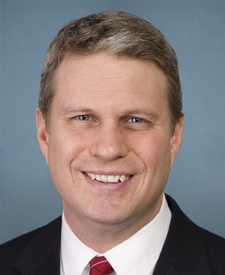

Legislative Progress
In CommitteeMr. Huizenga introduced the following bill; which was referred to …
Referred to the House Committee on Foreign Affairs.
Introduced in House
Stakeholder Effects
cui bono?How this legislation distributes effects. Mention counts reflect frequency, not effect magnitude.
Ambassadors and chiefs of mission, Countries not aligned with U.S. strategic priorities, Department of State
Department of State faces effects in multiple directions
Positive-direction: Ambassadors and chiefs of mission, Federated States of Micronesia, Foreign Service, Pacific Island countries, Palau, Peace Corps applicants and recruits, Peace Corps volunteers, Republic of the Marshall Islands, Returning and former Peace Corps volunteers, U.S. allies and strategic partners, U.S. embassies and diplomatic posts
Negative-direction: Countries not aligned with U.S. strategic priorities, Director General of the Foreign Service, Non-Peace Corps Foreign Service applicants, Peace Corps Director, Peace Corps administrative operations, Peace Corps country-level programs
Bill Structure & Actor Mappings
Who is "The Secretary" in each section?
We use a combination of our own taxonomy and classification in addition to large language models to assess meaning and potential beneficiaries. High confidence means strong textual evidence. Always verify with the original bill text.
Learn more about our methodology