Unleashing Low-Cost Rural AI Act
Summary
What This Bill Does
The Unleashing Low-Cost Rural AI Act is a 180-day study and reporting bill. The Energy Secretary must designate a National Laboratory to study the impact of artificial intelligence and data center site growth on U.S. energy supply resources. The study must examine whether infrastructure updates are needed to support co-location of AI and data center sites; whether alternative energy sources such as hydroelectric dams, solar farms, wind farms, battery storage, carbon capture, nuclear, and geothermal can support co-location; how AI and data center sites affect energy costs, supply, reliability, land use, water use, and consumer costs; whether energy supply resources have deficiencies; and how to expedite NEPA review or permitting for AI or data center sites and associated generation, transmission, and distribution assets. The study must prioritize remote areas and the report goes to the House Science Committee and Senate Commerce Committee within 180 days.
Who Benefits and How
Rural communities near potential data centers benefit from a federal study of energy costs, supply reliability, land use, water use, and local infrastructure needs. AI data center developers benefit from analysis of co-location, alternative energy sources, NEPA review, and permitting paths. National Laboratory energy researchers benefit from a designated role studying AI load growth and remote-area energy resources. Congressional science committees benefit from a 180-day report on how data center growth affects energy supply resources.
Who Bears the Burden and How
Department of Energy staff must designate a National Laboratory and submit the report within 180 days. National Laboratory analysts must assess co-location, infrastructure, alternative generation, reliability, consumer costs, and permitting issues. Utilities serving remote areas may face scrutiny over supply deficiencies and infrastructure upgrades. Environmental reviewers may face pressure to identify faster NEPA and permitting processes for AI and data center projects.
Key Provisions
- Requires DOE to designate a National Laboratory to study AI and data center impacts on energy supply resources.
- Requires analysis of co-location infrastructure, hydro, solar, wind, storage, carbon capture, nuclear, and geothermal options.
- Requires review of energy costs, supply reliability, land use, water use, consumer costs, and supply deficiencies.
- Requires recommendations on faster NEPA review and permitting for data centers and associated energy assets.
- Directs the study to prioritize remote areas and report to Congress within 180 days.
Evidence Chain:
This summary is generated from the full bill text using AI analysis. Expand "Detailed Analysis" below for identified beneficiaries/burden bearers with clause-level evidence links.
At a Glance
What This Bill Does
Requires the Energy Secretary to designate a National Laboratory to study how AI and data center growth affects U.S. energy supply resources, with emphasis on remote areas, co-location infrastructure, alternative energy sources, costs, reliability, land and water use, deficiencies, NEPA review, and permitting.
Key Policy Areas
Energy, Artificial Intelligence, Data Centers
Primary Purpose
Requires the Energy Secretary to designate a National Laboratory to study how AI and data center growth affects U.S. energy supply resources, with emphasis on remote areas, co-location infrastructure, alternative energy sources, costs, reliability, land and water use, deficiencies, NEPA review, and permitting.
Policy Domains
Resolution provisions
Identified Gains
- Rural communities near potential data centers
- AI data center developers
- National Laboratory energy researchers
- Congressional science committees
Identified Costs
- Department of Energy staff
- National Laboratory analysts
- Utilities serving remote areas
- Environmental reviewers
Sponsors


Legislative Progress
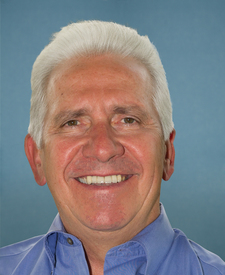
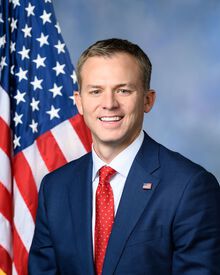
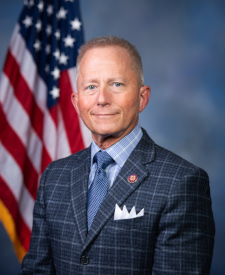
In CommitteeMr. Costa (for himself and Mr. Moore of Utah) introduced …
Referred to the House Committee on Science, Space, and Technology.
Introduced in House
Stakeholder Effects
cui bono?How this legislation distributes effects. Mention counts reflect frequency, not effect magnitude.
Rural communities near potential data centers
Bill Structure & Actor Mappings
Who is "The Secretary" in each section?
We use a combination of our own taxonomy and classification in addition to large language models to assess meaning and potential beneficiaries. High confidence means strong textual evidence. Always verify with the original bill text.
Learn more about our methodology