To amend the Public Health Service Act to promote healthy eating and physical activity among children.
Analysis under review: This bill has generated analysis that may be too generic or incomplete. Clause-level evidence remains available below.
Summary
What This Bill Does
The bill creates congressional findings on childhood obesity, food insecurity, and the importance of early childhood nutrition and physical activity programs, creates creation of Healthy Kids Grant Program amending Public Health Service Act with 5-year competitive grants for early childhood healthy eating and physical activity, and creates section 399Z-3 of Public Health Service Act establishing the Healthy Kids Grant Program with authorization of M/year for FY2026-2030 and .7M for monitoring. It relies on grants, appropriations, and reporting requirements. The main policy areas are Social Welfare, Finance, and Education.
Who Benefits and How
Nonprofit organizations with early childhood health expertise could gain revenue opportunities, Nonprofit childhood obesity prevention organizations could gain revenue opportunities, and Universities and research centers could gain revenue opportunities.
Who Bears the Burden and How
CDC/Centers for Disease Control and Prevention would take on compliance duties.
Key Provisions
- Creates congressional findings on childhood obesity, food insecurity, and the importance of early childhood nutrition and physical activity programs.
- Creates creation of Healthy Kids Grant Program amending Public Health Service Act with 5-year competitive grants for early childhood healthy eating and physical activity.
- Creates section 399Z-3 of Public Health Service Act establishing the Healthy Kids Grant Program with authorization of M/year for FY2026-2030 and .7M for monitoring.
Evidence Chain:
This summary is generated from the full bill text using AI analysis. Expand "Detailed Analysis" below for identified beneficiaries/burden bearers with clause-level evidence links.
At a Glance
What This Bill Does
The bill creates congressional findings on childhood obesity, food insecurity, and the importance of early childhood nutrition and physical activity programs, creates creation of Healthy Kids Grant Program amending Public Health Service Act with 5-year competitive grants for early childhood healthy eating and physical activity, and creates section 399Z-3 of Public Health Service Act establishing the Healthy Kids Grant Program with authorization of M/year for FY2026-2030 and .7M for monitoring.
Key Policy Areas
Social Welfare, Finance, Education
Primary Purpose
The bill creates congressional findings on childhood obesity, food insecurity, and the importance of early childhood nutrition and physical activity programs, creates creation of Healthy Kids Grant Program amending Public Health Service Act with 5-year competitive grants for early childhood healthy eating and physical activity, and creates section 399Z-3 of Public Health Service Act establishing the Healthy Kids Grant Program with authorization of M/year for FY2026-2030 and .7M for monitoring.
Policy Domains
main
Identified Gains
- Nonprofit organizations with early childhood health expertise
- Nonprofit childhood obesity prevention organizations
- Universities and research centers
- Institutions of higher education with early childhood expertise
- External evaluation entities
Identified Costs
- CDC/Centers for Disease Control and Prevention
Sponsors
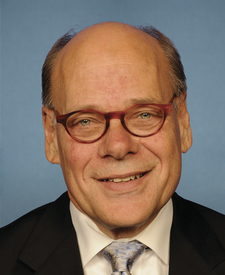
Legislative Progress
IntroducedMr. Cohen introduced the following bill; which was referred to …
Stakeholder Effects
cui bono?How this legislation distributes effects. Mention counts reflect frequency, not effect magnitude.
Early care and education providers, Nonprofit childhood obesity prevention organizations, Nonprofit organizations with early childhood health expertise
Children ages 0-5 in early care settings, General public
Institutions of higher education with early childhood expertise, Universities and research centers
Evaluation and monitoring contractors, External evaluation entities
Bill Structure & Actor Mappings
Who is "The Secretary" in each section?
Key Definitions
Terms defined in this bill
We use a combination of our own taxonomy and classification in addition to large language models to assess meaning and potential beneficiaries. High confidence means strong textual evidence. Always verify with the original bill text.
Learn more about our methodology