ESP, Paraprofessional, and Education Support Staff Family Leave Act
Summary
What This Bill Does
The ESP, Paraprofessional, and Education Support Staff Family Leave Act changes the FMLA hours-of-service test for school support workers. A covered educational employee is treated as meeting the FMLA hours requirement if the employee worked at least 60 percent of the total monthly hours expected for the employee's job description and duties during the previous school year. Employers must keep on file with the Labor Secretary information specifying expected monthly hours for each covered employee's job description and duties for each school year. Covered educational employees include paraprofessionals and education support staff employed by an educational agency or institution. Education support staff includes classified school employees, ESPs, and workers providing clerical, administrative, transportation, food and nutrition, custodial, maintenance, health, student, technical, or skilled-trades services.
Who Benefits and How
School paraprofessionals benefit because their FMLA eligibility is measured against expected school-year hours rather than a rigid full-year hours pattern. Education support professionals benefit because clerical, transportation, food service, custodial, maintenance, health, student, technical, and skilled-trades staff are covered. School employees with caregiving needs benefit from easier access to job-protected family and medical leave. Labor unions representing school support staff benefit from a clearer federal eligibility standard for members with school-year schedules.
Who Bears the Burden and How
School districts must maintain expected monthly-hours records for covered educational employees and keep them on file with the Labor Secretary. Education agency human resources offices must update FMLA eligibility calculations and documentation. School administrators may face more job-protected leave use among part-year or part-time support workers. Department of Labor wage and hour staff must prescribe and administer recordkeeping rules.
Key Provisions
- Expands FMLA eligibility for paraprofessionals and education support staff using a 60 percent expected-hours test.
- Requires school employers to maintain expected monthly-hours records for each covered job description and school year.
- Defines covered educational employees to include paraprofessionals and education support staff in educational agencies or institutions.
- Protects school support workers whose schedules do not fit the ordinary FMLA hours-of-service test.
Evidence Chain:
This summary is generated from the full bill text using AI analysis. Expand "Detailed Analysis" below for identified beneficiaries/burden bearers with clause-level evidence links.
At a Glance
What This Bill Does
Expands Family and Medical Leave Act eligibility for paraprofessionals and education support staff by treating them as meeting the hours-of-service requirement when they worked at least 60 percent of expected monthly hours for the previous school year.
Key Policy Areas
Labor, Education, Family Leave
Primary Purpose
Expands Family and Medical Leave Act eligibility for paraprofessionals and education support staff by treating them as meeting the hours-of-service requirement when they worked at least 60 percent of expected monthly hours for the previous school year.
Policy Domains
Resolution provisions
Identified Gains
- School paraprofessionals
- Education support professionals
- School employees with caregiving needs
- Labor unions representing school support staff
Identified Costs
- School districts
- Education agency human resources offices
- School administrators
- Department of Labor wage and hour staff
Sponsors



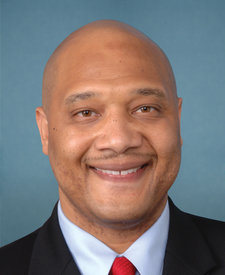
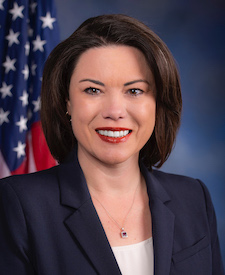
Legislative Progress
In CommitteeMr. Casten (for himself, Ms. Pingree, Mr. Quigley, Mrs. Cherfilus-McCormick, …
Referred to the Committee on Education and Workforce, and in …
Introduced in House
Stakeholder Effects
cui bono?How this legislation distributes effects. Mention counts reflect frequency, not effect magnitude.
Education support professionals, School districts, School paraprofessionals
Positive-direction: Education support professionals, School paraprofessionals
Negative-direction: School districts
Bill Structure & Actor Mappings
Who is "The Secretary" in each section?
We use a combination of our own taxonomy and classification in addition to large language models to assess meaning and potential beneficiaries. High confidence means strong textual evidence. Always verify with the original bill text.
Learn more about our methodology