No Federal Funds for Cashless Bail Act
Summary
What This Bill Does
This bill amends the Omnibus Crime Control and Safe Streets Act grant conditions. Beginning with the first fiscal year after enactment, the Attorney General may not award, renew, or extend a covered grant to a state or unit of local government that has a policy or law substantially limiting cash bail as a potential condition for every person charged with a covered offense.
Covered offenses are crimes that pose a clear threat to public safety and order. The bill names violent or sexual acts such as murder, rape, sexual assault, carjacking, robbery, burglary, and assault. It also includes public-disorder offenses such as looting, vandalism, destruction of property, rioting or inciting to riot, and fleeing from law enforcement. Unlike the Cashless Bail Reporting Act, this bill attaches a grant ineligibility consequence to covered cashless-bail policies.
Who Benefits and How
Public safety advocates benefit because the bill uses federal grant leverage against local cashless-bail policies for covered offenses. Crime victims and victim-rights groups benefit if the threat of losing grants pushes jurisdictions toward stricter bail conditions. Prosecutors and law enforcement agencies benefit if cash bail remains available as a pretrial condition for covered offenses. Jurisdictions that retain cash bail benefit by preserving eligibility for covered grants. Members of Congress seeking bail-policy oversight benefit from a clear federal funding condition.
Who Bears the Burden and How
States with broad cashless-bail laws risk losing covered public-safety grants. Local governments that substantially limit cash bail for covered offenses face grant ineligibility. DOJ grant administrators must determine which jurisdictions are disqualified and apply the funding bar. Courts and pretrial services offices in affected jurisdictions may face pressure to change release policies. Bail reform advocates bear a policy burden because the bill uses federal funding to discourage cashless-bail systems. Defendants charged with covered offenses may face more frequent cash bail conditions.
Key Provisions
- Amends Omnibus Crime Control and Safe Streets Act grant conditions.
- Prohibits covered grants to states or local governments with broad cashless-bail limits for covered offenses.
- Defines covered offenses by violent, sexual, and public-disorder examples.
- Applies the funding bar beginning with the first fiscal year after enactment.
- Preserves grant eligibility for jurisdictions that do not substantially limit cash bail for covered offenses.
Evidence Chain:
This summary is generated from the full bill text using AI analysis. Expand "Detailed Analysis" below for identified beneficiaries/burden bearers with clause-level evidence links.
At a Glance
What This Bill Does
Bars the Attorney General from awarding, renewing, or extending covered public-safety grants to states or local governments that substantially limit cash bail for every person charged with covered violent, sexual, or public-disorder offenses.
Key Policy Areas
Criminal Justice, Public Safety, Federal Grants
Primary Purpose
Bars the Attorney General from awarding, renewing, or extending covered public-safety grants to states or local governments that substantially limit cash bail for every person charged with covered violent, sexual, or public-disorder offenses.
Policy Domains
House resolution provisions
Identified Gains
- Public safety advocates
- Crime victims
- Victim-rights groups
- Prosecutors
- Law enforcement agencies
- Jurisdictions retaining cash bail
- Members of Congress seeking bail oversight
Identified Costs
- States with broad cashless-bail laws
- Local governments with broad cashless-bail policies
- DOJ grant administrators
- Courts in affected jurisdictions
- Pretrial services offices
- Bail reform advocates
- Defendants charged with covered offenses
Sponsors


Legislative Progress
ReportedPlaced on the Union Calendar, Calendar No. 554.
Reported (Amended) by the Committee on Judiciary. H. Rept. 119-637.
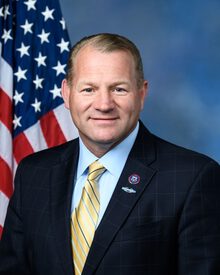
Additional sponsor: Mr. Nehls
Placed on the Union Calendar, Calendar No. 554.
Ordered to be Reported (Amended) by the Yeas and Nays: …
Committee Consideration and Mark-up Session Held
Introduced in House
Referred to the House Committee on the Judiciary.
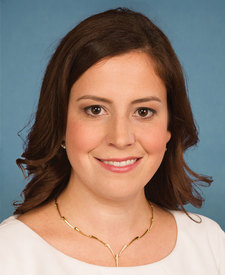
Ms. Stefanik (for herself, Mr. James, and Mr. Moore of …
Stakeholder Effects
cui bono?How this legislation distributes effects. Mention counts reflect frequency, not effect magnitude.
Bail reform advocates, Crime victims, Law enforcement agencies
Positive-direction: Crime victims, Law enforcement agencies, Public safety advocates
Negative-direction: Bail reform advocates, Local governments with broad cashless-bail policies, States with broad cashless-bail laws
Bill Structure & Actor Mappings
Who is "The Secretary" in each section?
- "doj"
- → Department of Justice
We use a combination of our own taxonomy and classification in addition to large language models to assess meaning and potential beneficiaries. High confidence means strong textual evidence. Always verify with the original bill text.
Learn more about our methodology