Modernizing Rural Physician Assistant and Nurse Practitioner Utilization Act of 2025
Summary
What This Bill Does
The Modernizing Rural Physician Assistant and Nurse Practitioner Utilization Act amends the Medicare rural health clinic requirements in Social Security Act section 1861(aa). For a facility that is not physician-directed, the bill replaces the old arrangement language with a requirement that the facility meet a new paragraph describing arrangements with one or more physician assistants or one or more nurse practitioners. Those arrangements must be consistent with state and local law governing the practice, performance, and delivery of health services, and service delivery must follow state law or the state regulatory mechanism governing PA or NP practice. The effect is to let rural health clinics rely more directly on PA and NP practice authority where state law permits it, instead of forcing a physician-directed model.
Who Benefits and How
Rural health clinics benefit because non-physician-directed facilities can satisfy Medicare requirements through PA or NP arrangements. Physician assistants benefit because their state-law practice authority can support rural health clinic qualification. Nurse practitioners benefit for the same reason in clinics that are not physician-directed. Rural Medicare patients benefit if clinics can maintain services despite physician shortages.
Who Bears the Burden and How
CMS rural health clinic staff must update certification guidance and review PA and NP arrangements under state-law standards. Clinic compliance officers must document that PA or NP arrangements match state and local practice rules. Physicians in rural markets may see less statutory need for physician-directed clinic arrangements. State licensing boards remain responsible for defining PA and NP practice boundaries that Medicare clinics must follow.
Key Provisions
- Expands rural health clinic utilization rules to recognize PA and NP arrangements in non-physician-directed facilities.
- Requires arrangements to be consistent with state and local health-service practice law.
- Requires delivery of services to follow state PA or NP regulatory mechanisms.
- Reduces dependence on physician-directed clinic structures where state law permits PA or NP practice.
Evidence Chain:
This summary is generated from the full bill text using AI analysis. Expand "Detailed Analysis" below for identified beneficiaries/burden bearers with clause-level evidence links.
At a Glance
What This Bill Does
Lets non-physician-directed rural health clinics satisfy Medicare utilization requirements through arrangements with physician assistants or nurse practitioners that comply with state and local scope-of-practice law.
Key Policy Areas
Medicare, Rural Health Clinics, Healthcare Workforce
Primary Purpose
Lets non-physician-directed rural health clinics satisfy Medicare utilization requirements through arrangements with physician assistants or nurse practitioners that comply with state and local scope-of-practice law.
Policy Domains
Resolution provisions
Identified Gains
- Rural health clinics
- Physician assistants
- Nurse practitioners
- Rural Medicare patients
Identified Costs
- CMS rural health clinic staff
- Clinic compliance officers
- Physicians in rural markets
- State licensing boards
Sponsors
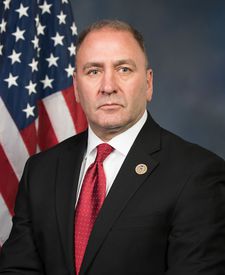
Legislative Progress
In CommitteeMr. Mann (for himself, Ms. Tokuda, Mr. Zinke, Mr. Ciscomani, …
Referred to the Committee on Energy and Commerce, and in …
Introduced in House
Stakeholder Effects
cui bono?How this legislation distributes effects. Mention counts reflect frequency, not effect magnitude.
Nurse practitioners, Physician assistants, Rural health clinics
Bill Structure & Actor Mappings
Who is "The Secretary" in each section?
We use a combination of our own taxonomy and classification in addition to large language models to assess meaning and potential beneficiaries. High confidence means strong textual evidence. Always verify with the original bill text.
Learn more about our methodology