Rural Health Clinic Location Modernization Act of 2025
Summary
What This Bill Does
The Rural Health Clinic Location Modernization Act updates the Medicare rural health clinic location test in Social Security Act section 1861(aa)(2). Instead of excluding clinics located in an 'urbanized area' as defined by the Census Bureau, the bill uses an 'urban area' with a population of 50,000 or more. The amendment applies beginning January 1, 2027. The change is technical but important because Census geography changed after the old statutory language was written; the bill is designed to maintain rural health clinic eligibility standards around population size rather than relying on an outdated urbanized-area term.
Who Benefits and How
Rural health clinics near smaller communities benefit because Medicare eligibility is tied to an urban area of 50,000 or more people. Medicare beneficiaries in rural service areas benefit if clinics avoid losing rural health clinic status because of outdated Census terminology. Clinic administrators benefit from a clearer location standard beginning January 1, 2027. State rural health offices benefit from a more modern federal eligibility rule for advising clinics.
Who Bears the Burden and How
CMS rural health clinic certification staff must update guidance and systems for the January 1, 2027 location test. Medicare contractors must apply the new urban-area population threshold when reviewing clinic claims or enrollment. Clinics that remain inside larger urban areas still bear the burden of failing the location test. Federal taxpayers may bear costs if more clinics retain rural health clinic payment status.
Key Provisions
- Modifies Medicare rural health clinic location language from urbanized area to urban area.
- Limits the urban-area exclusion to areas with a population of 50,000 or more.
- Provides a January 1, 2027 effective date.
- Protects rural health clinic eligibility from outdated Census terminology.
Evidence Chain:
This summary is generated from the full bill text using AI analysis. Expand "Detailed Analysis" below for identified beneficiaries/burden bearers with clause-level evidence links.
At a Glance
What This Bill Does
Modernizes Medicare rural health clinic location eligibility by replacing the Census 'urbanized area' exclusion with an 'urban area' of 50,000 or more people, effective January 1, 2027.
Key Policy Areas
Medicare, Rural Health Clinics, Healthcare Access
Primary Purpose
Modernizes Medicare rural health clinic location eligibility by replacing the Census 'urbanized area' exclusion with an 'urban area' of 50,000 or more people, effective January 1, 2027.
Policy Domains
Resolution provisions
Identified Gains
- Rural health clinics near smaller communities
- Medicare beneficiaries in rural service areas
- Clinic administrators
- State rural health offices
Identified Costs
- CMS rural health clinic certification staff
- Medicare contractors
- Clinics inside larger urban areas
- Federal taxpayers
Sponsors

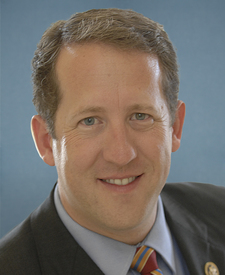
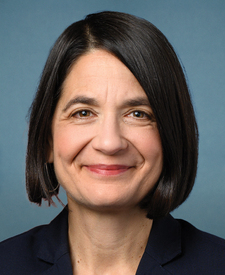
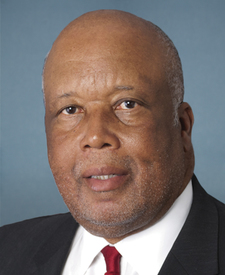

Legislative Progress
In CommitteeMr. Mann (for himself, Ms. Tokuda, Mr. Zinke, Mr. Ciscomani, …
Referred to the Committee on Energy and Commerce, and in …
Introduced in House
Stakeholder Effects
cui bono?How this legislation distributes effects. Mention counts reflect frequency, not effect magnitude.
Medicare contractors, Rural health clinics near smaller communities
Positive-direction: Rural health clinics near smaller communities
Negative-direction: Medicare contractors
Medicare beneficiaries in rural service areas
Bill Structure & Actor Mappings
Who is "The Secretary" in each section?
We use a combination of our own taxonomy and classification in addition to large language models to assess meaning and potential beneficiaries. High confidence means strong textual evidence. Always verify with the original bill text.
Learn more about our methodology