District of Columbia Home Rule Improvement Act of 2025
Summary
What This Bill Does
This bill tightens congressional control over District of Columbia lawmaking and executive action under the Home Rule Act. It replaces the shorter congressional review window for some District laws with a uniform 60-day period measured around House and Senate adjournments. It removes a prior paragraph and narrows emergency-act treatment so an extension or substantially similar act cannot keep avoiding ordinary congressional review.
The bill rewrites expedited procedures for House and Senate resolutions disapproving Council actions. It lets Congress disapprove individual provisions of a DC act rather than only the entire act. It also creates a new section 605 requiring the DC Mayor to transmit executive orders and executive-branch regulations to Congress, delaying their effect for 60 days unless the order or regulation sets a later date and allowing a joint resolution of disapproval to repeal them. The bill prevents the Council from withdrawing an act once transmitted, bars substantially similar retransmissions after a congressional disapproval unless a later federal law authorizes them, and requires the DC Mayor and Council Chair to appear annually before House and Senate oversight committees with a report on the state of the District.
Who Benefits and How
U.S. Congress benefits from more time and more tools to review DC acts, provisions, executive orders, and regulations. The House Oversight Committee and Senate Homeland Security Committee benefit from explicit annual hearings with DC leaders. Members seeking to block specific DC policies benefit because they can target provisions and mayoral actions rather than only whole Council acts. DC residents who oppose particular Council or mayoral policies benefit from an added federal review channel. Congressional oversight staff benefit from formal transmission and timing rules.
Who Bears the Burden and How
The District of Columbia Council bears a major burden because its acts face a longer review period, cannot be withdrawn after transmission, and cannot be reintroduced in substantially similar form after disapproval without new congressional authorization. The DC Mayor and district executive branch agencies must transmit executive orders and regulations and wait through a federal review window. DC residents who support home rule bear a burden because local policies can be delayed, partially disapproved, or repealed by Congress. DC business and nonprofit groups face more uncertainty while local laws and regulations await federal review. DC Council staff must prepare for annual hearings and track the new procedural limits.
Key Provisions
- Replaces the Home Rule Act review period with a uniform 60-day congressional review period for DC laws.
- Rewrites expedited House and Senate procedures for resolutions disapproving Council action.
- Allows Congress to disapprove individual provisions of a DC act without repealing the rest of the act.
- Requires the DC Mayor to transmit executive orders and executive-branch regulations for congressional review.
- Prohibits the DC Council from withdrawing transmitted acts during the review period.
- Bars substantially similar DC acts after congressional disapproval unless Congress later authorizes them.
- Requires annual hearings where the DC Mayor and Council Chair report on the state of the District.
Evidence Chain:
This summary is generated from the full bill text using AI analysis. Expand "Detailed Analysis" below for identified beneficiaries/burden bearers with clause-level evidence links.
At a Glance
What This Bill Does
Expands congressional review of District of Columbia self-government actions by setting a uniform 60-day review period, restoring and rewriting expedited disapproval procedures, allowing disapproval of individual provisions, extending review to mayoral executive orders and executive-branch regulations, barring withdrawal or resubmission tactics, and requiring annual congressional hearings with DC leaders.
Key Policy Areas
District of Columbia, Government Operations, Federalism, Congressional Oversight
Primary Purpose
Expands congressional review of District of Columbia self-government actions by setting a uniform 60-day review period, restoring and rewriting expedited disapproval procedures, allowing disapproval of individual provisions, extending review to mayoral executive orders and executive-branch regulations, barring withdrawal or resubmission tactics, and requiring annual congressional hearings with DC leaders.
Policy Domains
House resolution provisions
Identified Gains
- U.S. Congress
- House Oversight Committee
- Senate Homeland Security Committee
- Members seeking to block DC policies
- DC residents opposing particular local policies
- Congressional oversight staff
Identified Costs
- District of Columbia Council
- DC Mayor
- District executive branch agencies
- DC residents supporting home rule
- DC business groups
- DC nonprofit groups
- DC Council staff
Sponsors


Legislative Progress
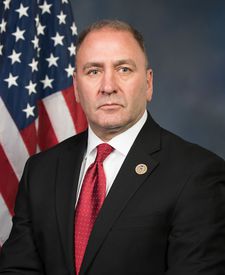
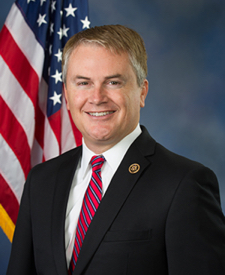
ReportedAdditional sponsor: Mr. Higgins of Louisiana
Reported from the Committee on Oversight and Government Reform with …
Committee on Rules discharged; committed to the Committee of the …
Placed on the Union Calendar, Calendar No. 396.
Committee on Rules discharged.
Reported (Amended) by the Committee on Oversight and Government Reform. …
Ordered to be Reported (Amended) by the Yeas and Nays: …
Committee Consideration and Mark-up Session Held
Mr. Gosar (for himself, Mr. Comer, and Ms. Hageman) introduced …
Referred to the Committee on Oversight and Government Reform, and …
Stakeholder Effects
cui bono?How this legislation distributes effects. Mention counts reflect frequency, not effect magnitude.
Congress, Congressional oversight staff, DC Mayor
Positive-direction: Congress, Congressional oversight staff, DC residents, House Oversight Committee, Members seeking to block DC policies, Senate Homeland Security Committee
Negative-direction: DC Mayor, DC policy advocates seeking reenactment, DC residents supporting home rule, District executive branch agencies, District of Columbia Council, District of Columbia Council Chair
Bill Structure & Actor Mappings
Who is "The Secretary" in each section?
- "dc_mayor"
- → Mayor of the District of Columbia
- "dc_council"
- → Council of the District of Columbia
- "senate_hsgac"
- → Senate Committee on Homeland Security and Governmental Affairs
- "house_oversight"
- → House Committee on Oversight and Government Reform
We use a combination of our own taxonomy and classification in addition to large language models to assess meaning and potential beneficiaries. High confidence means strong textual evidence. Always verify with the original bill text.
Learn more about our methodology