To increase the mandatory minimum sentences applicable to certain crimes in the District of Columbia, and for other purposes.
Sponsors

Legislative Progress
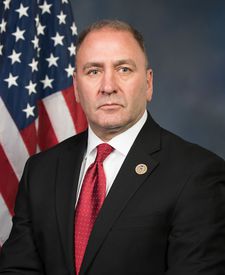
ReportedAdditional sponsor: Mr. Higgins of Louisiana
Reported with an amendment, committed to the Committee of the …
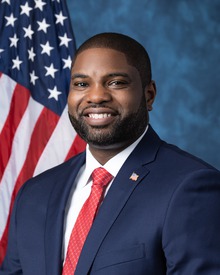
Mr. Biggs of Arizona (for himself and Mr. Donalds) introduced …
Summary
What This Bill Does
Mandates life without parole for first-degree murder in D.C. and increases mandatory minimums for other violent crimes including armed offenses and sexual assault.
Who Benefits and How
- D.C. crime victims may see longer incapacitation of violent offenders
- Public safety advocates achieve tougher sentencing for violent crime
- Law enforcement gains stronger deterrent sentences
Who Bears the Burden and How
- Defendants convicted of violent crimes face longer mandatory sentences
- D.C. corrections system houses inmates for longer terms
- Federal courts (D.C. uses federal system) handle longer sentences
Key Provisions
- First-degree murder: life without release
- Second-degree murder while armed: minimum 10 years
- Armed crimes of violence: minimum 25 years, 30 if prior conviction
- First-degree sexual abuse: longer mandatory terms
Evidence Chain:
This summary is derived from the structured analysis below. See "Detailed Analysis" for per-title beneficiaries/burden bearers with clause-level evidence links.
Primary Purpose
Increases mandatory minimum sentences for violent crimes in Washington D.C.
Policy Domains
Legislative Strategy
"Increase public safety through longer mandatory sentences"
Bill Structure & Actor Mappings
Who is "The Secretary" in each section?
We use a combination of our own taxonomy and classification in addition to large language models to assess meaning and potential beneficiaries. High confidence means strong textual evidence. Always verify with the original bill text.
Learn more about our methodology