District of Columbia Policing Protection Act of 2025
Summary
What This Bill Does
The District of Columbia Policing Protection Act of 2025 rewrites D.C.'s vehicular-pursuit rules. It removes several definitions and limitations from subtitle S of the Comprehensive Policing and Justice Reform Amendment Act of 2022, excludes sworn federal law enforcement officers of covered federal agencies from the D.C. definition of law enforcement officer for this subtitle, and replaces the operative pursuit rule. Under the engrossed House text, a local law enforcement officer who encounters a suspect fleeing in a motor vehicle may engage in a vehicular pursuit unless the officer or a higher-ranking supervisor reasonably believes the pursuit would create an unacceptable risk of harm to someone other than the suspect, would be futile, or the suspect can be apprehended more effectively or quickly another way. The bill also directs the Attorney General to evaluate the costs and benefits of Metropolitan Police Department adoption of PursuitAlert or similar technology and report to House and Senate oversight and judiciary committees within three years.
Who Benefits and How
D.C. Metropolitan Police Department officers benefit because the bill replaces tighter pursuit limitations with a permissive default that allows pursuits unless a listed exception applies. Federal law enforcement officers in D.C. benefit because covered federal officers are excluded from the amended local subtitle's definition of law enforcement officer. D.C. residents affected by violent or dangerous fleeing suspects may benefit if officers can pursue and apprehend suspects more often. Congressional oversight committees benefit from a required Attorney General report on PursuitAlert or similar technology for warning the public about nearby police pursuits.
Who Bears the Burden and How
The D.C. local government and D.C. Council lose policy control because Congress overrides the 2022 local pursuit restrictions. Police supervisors must make real-time judgments about unacceptable risk, futility, and whether another apprehension method would work better. D.C. residents, pedestrians, and drivers near police pursuits face greater safety risk if more pursuits occur under the permissive standard. Police reform and civil-liberties advocates bear a policy burden because safeguards they supported are narrowed. The Attorney General must evaluate pursuit-alert technology and submit reports to four congressional committees.
Key Provisions
- Amends the Comprehensive Policing and Justice Reform Amendment Act of 2022 by removing several vehicular-pursuit definitions and limitations.
- Excludes sworn federal law enforcement officers of covered federal agencies from the local subtitle's definition of law enforcement officer.
- Allows local officers to engage in vehicular pursuits unless specified safety, futility, or alternative-apprehension exceptions apply.
- Requires pursuit decisions to account for unacceptable risk to people other than the suspect.
- Directs the Attorney General to evaluate PursuitAlert or similar public-warning technology for the Metropolitan Police Department within three years.
- Requires the Attorney General report to Senate Homeland Security, Senate Judiciary, House Oversight, and House Judiciary committees.
Evidence Chain:
This summary is generated from the full bill text using AI analysis. Expand "Detailed Analysis" below for identified beneficiaries/burden bearers with clause-level evidence links.
At a Glance
What This Bill Does
Amends D.C.'s 2022 policing law to loosen restrictions on vehicular pursuits by allowing officers to pursue fleeing motor-vehicle suspects unless specified safety, futility, or alternative-apprehension exceptions apply, excluding covered federal law enforcement officers from the D.C. definition of law enforcement officer, and requiring the Attorney General to study pursuit-alert technology within three years.
Key Policy Areas
Law Enforcement, District of Columbia, Public Safety
Primary Purpose
Amends D.C.'s 2022 policing law to loosen restrictions on vehicular pursuits by allowing officers to pursue fleeing motor-vehicle suspects unless specified safety, futility, or alternative-apprehension exceptions apply, excluding covered federal law enforcement officers from the D.C. definition of law enforcement officer, and requiring the Attorney General to study pursuit-alert technology within three years.
Policy Domains
Substantive provisions
Identified Gains
- D.C. Metropolitan Police Department officers
- Federal law enforcement officers in D.C.
- D.C. residents affected by fleeing suspects
- Congressional oversight committees
Identified Costs
- D.C. local government
- D.C. Council
- Police supervisors
- D.C. residents near police pursuits
- Police reform advocates
- Attorney General
Sponsors
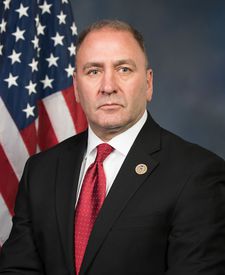
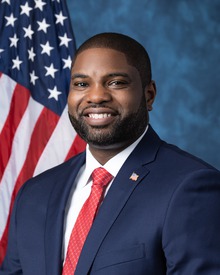
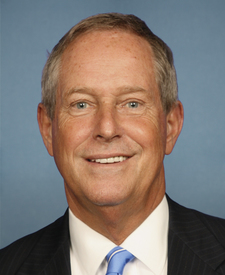
Legislative Progress
Passed HouseReceived in the Senate.
Motion to reconsider laid on the table Agreed to without …
On passage Passed by the Yeas and Nays: 245 - …
Passed/agreed to in House: On passage Passed by the Yeas …
Considered as unfinished business. (consideration: CR H4395)
POSTPONED PROCEEDINGS - At the conclusion of debate on H.R. …
The previous question was ordered pursuant to the rule.
DEBATE - The House proceeded with one hour of debate …
Rule provides for consideration of H.R. 4922, H.R. 5143, H.R. …
Considered under the provisions of rule H. Res. 707. (consideration: …
Stakeholder Effects
cui bono?How this legislation distributes effects. Mention counts reflect frequency, not effect magnitude.
D.C. Metropolitan Police Department, Federal law enforcement officers in D.C.
On Passage
District of Columbia Policing Protection Act
Bill Structure & Actor Mappings
Who is "The Secretary" in each section?
- "mpd"
- → Metropolitan Police Department of the District of Columbia
- "officer"
- → District of Columbia law enforcement officer
- "attorney_general"
- → Attorney General of the United States
We use a combination of our own taxonomy and classification in addition to large language models to assess meaning and potential beneficiaries. High confidence means strong textual evidence. Always verify with the original bill text.
Learn more about our methodology