HANDS Act
Summary
What This Bill Does
The HANDS Act makes take-home opioid overdose reversal drugs a covered, no-cost preventive service in federal health programs. It defines a preventive opioid overdose reversal drug as an intranasal or intramuscular overdose reversal drug furnished by a physician, nurse practitioner, physician assistant, or other attending clinical personnel to a hospital inpatient, critical access hospital patient, rural emergency hospital patient, emergency department patient, or ambulatory surgical center patient when the clinician determines the person is at risk of opioid overdose. The drug must be provided when the person is discharged or leaves the emergency department or ambulatory surgical center, together with administration instructions. Beginning January 1, 2026, Medicare pays 100 percent of the lesser of actual charges or the section 1842(o) amount and the deductible does not apply. Medicare Advantage must cover the service. Medicaid state plans and benchmark coverage must include the drugs without deductions, cost-sharing, or similar charges, the drugs are treated as prescribed drugs for Medicaid purposes, and Medicaid cost-sharing sections are amended to protect the coverage.
Who Benefits and How
Medicare patients at opioid overdose risk benefit because take-home reversal drugs are covered with no deductible at discharge or emergency departure. Medicaid enrollees at opioid overdose risk benefit because state plans and benchmark coverage must include the drugs without cost-sharing. Hospitals and emergency departments benefit from a clear payment path for providing naloxone or similar reversal drugs before patients leave care. Families of overdose-risk patients benefit if patients leave facilities with medication and instructions that can reverse an overdose.
Who Bears the Burden and How
CMS Medicare payment staff must create payment and deductible rules for the new preventive service. Medicare Advantage plans must add coverage for preventive opioid overdose reversal drugs. State Medicaid agencies must update state plans, benchmark coverage, cost-sharing rules, and drug treatment beginning January 1, 2026. Federal taxpayers bear increased costs from broader no-cost coverage of overdose reversal drugs.
Key Provisions
- Adds preventive opioid overdose reversal drugs to Medicare covered medical services.
- Defines covered drugs as intranasal or intramuscular overdose reversal drugs furnished at discharge or departure to patients at overdose risk.
- Provides 100 percent Medicare payment and no deductible beginning January 1, 2026.
- Requires Medicare Advantage coverage for the new service.
- Requires Medicaid and benchmark coverage without deductions, cost-sharing, or similar charges.
Evidence Chain:
This summary is generated from the full bill text using AI analysis. Expand "Detailed Analysis" below for identified beneficiaries/burden bearers with clause-level evidence links.
At a Glance
What This Bill Does
Adds no-cost Medicare, Medicare Advantage, Medicaid, and Medicaid benchmark coverage for preventive opioid overdose reversal drugs furnished at discharge or departure to patients at overdose risk beginning January 1, 2026.
Key Policy Areas
Health Care, Opioids, Medicare, Medicaid
Primary Purpose
Adds no-cost Medicare, Medicare Advantage, Medicaid, and Medicaid benchmark coverage for preventive opioid overdose reversal drugs furnished at discharge or departure to patients at overdose risk beginning January 1, 2026.
Policy Domains
Resolution provisions
Identified Gains
- Medicare patients at opioid overdose risk
- Medicaid enrollees at opioid overdose risk
- Hospitals
- Families of overdose-risk patients
Identified Costs
- CMS Medicare payment staff
- Medicare Advantage plans
- State Medicaid agencies
- Federal taxpayers
Sponsors

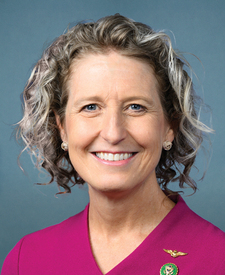
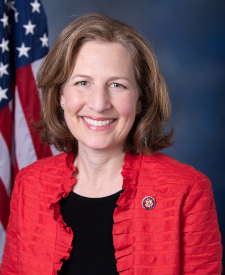
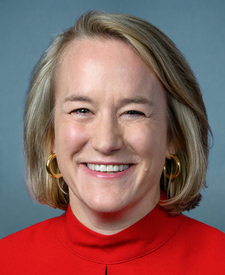
Legislative Progress
In CommitteeMs. Pettersen (for herself and Mrs. Kiggans of Virginia) introduced …
Referred to the Committee on Energy and Commerce, and in …
Introduced in House
Stakeholder Effects
cui bono?How this legislation distributes effects. Mention counts reflect frequency, not effect magnitude.
Medicaid enrollees at opioid overdose risk, Medicare patients at opioid overdose risk
Bill Structure & Actor Mappings
Who is "The Secretary" in each section?
We use a combination of our own taxonomy and classification in addition to large language models to assess meaning and potential beneficiaries. High confidence means strong textual evidence. Always verify with the original bill text.
Learn more about our methodology