Empower Parents to Protect their Kids Act
Summary
What This Bill Does
The Empower Parents to Protect their Kids Act conditions federal funds for elementary and secondary schools on parental-consent rules for gender-identity-related accommodations. The findings criticize school policies that withhold information from parents, change names or pronouns, provide opposite-sex clothing, alter access to sex-segregated facilities, or keep separate student records when a child expresses discomfort with sex or seeks an identity incongruent with sex. Section 3 bars federal funds to a school unless staff do not proceed with accommodations or actions intended to affirm a minor student's asserted identity incongruent with sex, including referrals or recommendations for gender transition procedures, without express parental consent. Staff may not encourage students to withhold information from parents, may not hide information about discomfort with sex or desire for transition, and may not coerce parents or students to proceed with transition-related interventions. The bill preserves staff ability to contact legal authorities about imminent physical abuse threats and protects parental involvement without due process. Federal agency heads must require assistance applications from state and local education agencies to describe compliance steps, provide written policies to agencies and families, and post policies on school websites. Qualified parties may bring civil actions without exhausting administrative remedies and can obtain injunctive, declaratory, attorney-fee, litigation-cost, and treatment-payment relief, while defendants can recover fees for frivolous suits. The bill also defines sex, male, female, designated violation, schools, gender transition, and qualified party.
Who Benefits and How
Parents of minor students benefit because schools receiving federal funds must get express parental consent before covered gender-identity accommodations. Students whose parents object to transition-related interventions benefit from civil remedies and parental-involvement requirements. Parental-rights advocacy organizations benefit from a private enforcement framework and public school-policy posting requirements. Families seeking school transparency benefit because schools must provide written compliance policies to enrolled families.
Who Bears the Burden and How
Elementary and secondary schools must change accommodation, records, referral, website, and family-notice policies to keep federal funds. State education agencies must describe compliance steps in federal assistance applications and provide policies to federal agencies. School employees face restrictions on accommodations, referrals, secrecy, and coercion absent express parental consent. LGBTQ student support advocates bear burden because the bill restricts confidential school support for gender identity issues. Federal courts may hear civil suits without administrative exhaustion and award relief or fees.
Key Provisions
- Requires express parental consent before covered gender-identity accommodations or referrals for minors.
- Prohibits school employees from encouraging students to hide covered information from parents.
- Requires federal assistance applications to describe compliance steps and family-authority protections.
- Requires written school policies to be provided to federal agencies and families and posted online.
- Creates civil actions without administrative exhaustion for designated violations.
- Provides injunctive, declaratory, attorney-fee, litigation-cost, and treatment-payment relief.
Evidence Chain:
This summary is generated from the full bill text using AI analysis. Expand "Detailed Analysis" below for identified beneficiaries/burden bearers with clause-level evidence links.
At a Glance
What This Bill Does
Conditions federal K-12 funds on schools requiring express parental consent before gender-identity accommodations, barring staff secrecy or coercion, publishing compliance policies, and allowing civil actions for violations.
Key Policy Areas
Education, Parental Rights, Civil Litigation
Primary Purpose
Conditions federal K-12 funds on schools requiring express parental consent before gender-identity accommodations, barring staff secrecy or coercion, publishing compliance policies, and allowing civil actions for violations.
Policy Domains
Resolution provisions
Identified Gains
- Parents of minor students
- Students whose parents object to transition-related interventions
- Parental-rights advocacy organizations
- Families seeking school transparency
Identified Costs
- Elementary and secondary schools
- State education agencies
- School employees
- LGBTQ student support advocates
- Federal courts
Sponsors



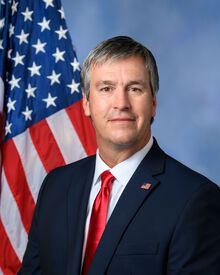
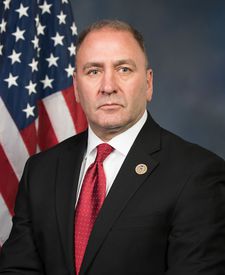
Legislative Progress
In CommitteeMrs. Miller of Illinois (for herself, Mrs. Luna, Mrs. Biggs …
Referred to the House Committee on Education and Workforce.
Introduced in House
Stakeholder Effects
cui bono?How this legislation distributes effects. Mention counts reflect frequency, not effect magnitude.
Elementary schools, Parents of minor students, Secondary schools
Positive-direction: Parents of minor students
Negative-direction: Elementary schools, Secondary schools
Bill Structure & Actor Mappings
Who is "The Secretary" in each section?
We use a combination of our own taxonomy and classification in addition to large language models to assess meaning and potential beneficiaries. High confidence means strong textual evidence. Always verify with the original bill text.
Learn more about our methodology