Tipped Worker Protection Act
Summary
What This Bill Does
The Tipped Worker Protection Act rewrites Fair Labor Standards Act rules for tipped employees. It phases up the required cash wage for tipped employees, beginning at $3.60 per hour for the first year after enactment and increasing by $1.50 each year until it reaches the federal minimum wage; once the cash wage reaches the minimum wage or a compliant tip pool is established, the separate tipped wage credit is repealed. The bill also tightens who counts as a tipped employee by requiring monthly tips at least equal to the gap between cash wages and full minimum wage and excluding workweeks where more than 20 percent of hours are related duties that do not directly receive tips. It defines tips to include discretionary customer payments and the portion of mandatory charges that customers reasonably believe will be paid to employees. Employees have the right to retain tips, managers and supervisors cannot keep tips, employers cannot use tips to cover payment-card fees, and employers can establish or modify tip pools only through documented employee voting thresholds with voluntary participation, separate funds, accessible records, anti-retaliation protection, and mediation rules. Employers imposing mandatory charges must disclose the reason and employee-paid portion and promptly pay that portion. Covered mandatory-charge shares are treated as tips for Social Security tax credit purposes.
Who Benefits and How
Tipped workers benefit from a rising cash wage, eventual repeal of the subminimum tipped wage, and a statutory right to keep tips. Restaurant servers benefit from rules barring managers, supervisors, and employers from keeping or using tips for card fees. Service employees in tip pools benefit from voting, voluntary participation, separate-fund, record-access, and anti-retaliation protections. Customers benefit from disclosures showing why a mandatory charge is imposed and what portion goes to employees.
Who Bears the Burden and How
Restaurants using tip credits must raise cash wages and eventually pay the full federal minimum wage directly. Employers with mandatory service charges must disclose charge reasons and employee-paid portions and promptly distribute covered amounts. Payroll and human resources offices must track tip-pool votes, records, employee shares, mandatory charges, and FLSA compliance. Payment-card fee costs can no longer be shifted to employees through retained tips.
Key Provisions
- Provides a tipped cash wage starting at $3.60 per hour and increasing by $1.50 each year until it reaches the federal minimum wage.
- Repeals the separate tipped wage credit once the transition rule or compliant tip-pool rule applies.
- Defines tips to include discretionary customer payments and certain mandatory-charge shares.
- Prohibits employers, managers, and supervisors from keeping or using employee tips.
- Requires employee voting, voluntary participation, separate funds, accessible records, and anti-retaliation protections for tip pools.
- Treats covered mandatory service-charge shares as tips for Social Security tax credit purposes.
Evidence Chain:
This summary is generated from the full bill text using AI analysis. Expand "Detailed Analysis" below for identified beneficiaries/burden bearers with clause-level evidence links.
At a Glance
What This Bill Does
Raises and then eliminates the tipped wage credit, protects employees' ownership of tips and service-charge shares, regulates voluntary tip pools, and treats covered service-charge shares as tips for payroll tax credit purposes.
Key Policy Areas
Labor, Tipped Wages, Taxation
Primary Purpose
Raises and then eliminates the tipped wage credit, protects employees' ownership of tips and service-charge shares, regulates voluntary tip pools, and treats covered service-charge shares as tips for payroll tax credit purposes.
Policy Domains
Resolution provisions
Identified Gains
- Tipped workers
- Restaurant workers
- Service employees in tip pools
- Consumers paying mandatory charges
Identified Costs
- Restaurant employers using tip credits
- Employers with mandatory service charges
- Payroll managers
- Department of Labor wage staff
Sponsors


Legislative Progress
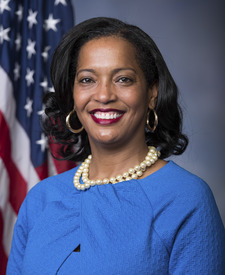
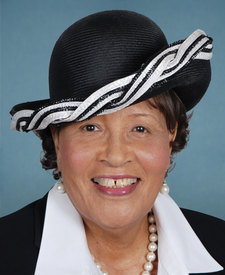
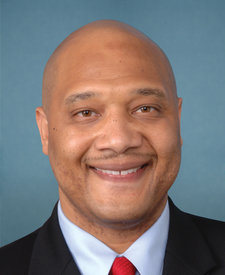
In CommitteeMrs. Hayes (for herself, Ms. Adams, Ms. Ansari, Ms. Bonamici, …
Referred to the Committee on Education and Workforce, and in …
Introduced in House
Stakeholder Effects
cui bono?How this legislation distributes effects. Mention counts reflect frequency, not effect magnitude.
Restaurant servers, Service employees in tip pools, Tipped workers
Bill Structure & Actor Mappings
Who is "The Secretary" in each section?
We use a combination of our own taxonomy and classification in addition to large language models to assess meaning and potential beneficiaries. High confidence means strong textual evidence. Always verify with the original bill text.
Learn more about our methodology