Stop Greenlighting Driver Licenses for Illegal Immigrants Act
Summary
What This Bill Does
The Stop Greenlighting Driver Licenses for Illegal Immigrants Act conditions Edward Byrne Memorial Justice Assistance Grant funding on state immigration-related licensing and information-sharing policies. It defines Byrne JAG funds, immigration enforcement information, and state. A state is subject to penalties if it issues a driver license to an individual who lacks proof of U.S. citizenship or lawful presence, or if it prohibits or restricts state or local officials from collecting, sending to, or receiving from DHS immigration enforcement information, including citizenship or immigration status and release date, time, and location from detention, jail, or prison. A driver-license state must return unobligated Byrne JAG funds within 30 days after issuing the license; an information-restriction state must return unobligated funds within 30 days after enactment. Such states remain ineligible for Byrne JAG funds until they prohibit licenses without citizenship or lawful-presence proof and permit immigration enforcement information sharing with DHS.
Who Benefits and How
Federal immigration enforcement offices benefit because states must permit collection and exchange of immigration enforcement information to keep Byrne JAG eligibility. States that restrict licenses by lawful status benefit if federal grant rules reinforce their current policy choices. Members of Congress supporting immigration enforcement benefit from a funding lever tied to driver-license and information-sharing policies. Local jail officials in compliant states benefit from clearer authority to send release information to DHS.
Who Bears the Burden and How
States issuing licenses without proof of citizenship or lawful presence must return unobligated Byrne JAG funds and lose eligibility. States limiting immigration information sharing must return unobligated funds and change policy before receiving future Byrne JAG grants. State public safety agencies may lose grant funding used for criminal justice programs. Immigrants without lawful-presence documentation may lose access to state driver licenses in states seeking to keep federal funds.
Key Provisions
- Defines Byrne JAG funds and immigration enforcement information.
- Requires covered driver-license states to return unobligated Byrne JAG funds within 30 days after issuing a nonqualifying license.
- Requires information-restriction states to return unobligated Byrne JAG funds within 30 days after enactment.
- Blocks future Byrne JAG eligibility until states prohibit licenses without citizenship or lawful-presence proof.
- Requires states to permit collection and exchange of immigration enforcement information with DHS.
Evidence Chain:
This summary is generated from the full bill text using AI analysis. Expand "Detailed Analysis" below for identified beneficiaries/burden bearers with clause-level evidence links.
At a Glance
What This Bill Does
Requires states that issue driver licenses without proof of citizenship or lawful presence, or restrict immigration enforcement information sharing with DHS, to return unobligated Byrne JAG funds and become ineligible until they change policy.
Key Policy Areas
Immigration, Law Enforcement Grants, State Government
Primary Purpose
Requires states that issue driver licenses without proof of citizenship or lawful presence, or restrict immigration enforcement information sharing with DHS, to return unobligated Byrne JAG funds and become ineligible until they change policy.
Policy Domains
Resolution provisions
Identified Gains
- Federal immigration enforcement offices
- States restricting licenses by lawful status
- Members of Congress supporting immigration enforcement
- Local jail officials in compliant states
Identified Costs
- States issuing licenses without lawful-status proof
- States limiting immigration information sharing
- State public safety agencies
- Immigrants without lawful-presence documentation
Sponsors


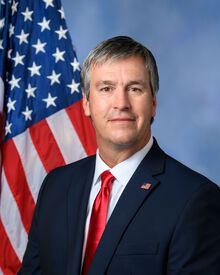

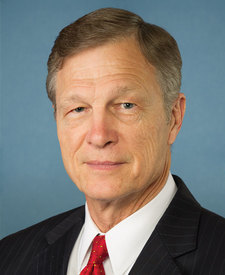
Legislative Progress
In CommitteeMr. Arrington (for himself, Ms. Mace, Mr. Donalds, Mr. Higgins …
Referred to the House Committee on the Judiciary.
Introduced in House
Stakeholder Effects
cui bono?How this legislation distributes effects. Mention counts reflect frequency, not effect magnitude.
Federal immigration enforcement offices, Immigrants without lawful-presence documentation
Positive-direction: Federal immigration enforcement offices
Negative-direction: Immigrants without lawful-presence documentation
States issuing licenses without lawful-status proof, States limiting immigration information sharing
Bill Structure & Actor Mappings
Who is "The Secretary" in each section?
We use a combination of our own taxonomy and classification in addition to large language models to assess meaning and potential beneficiaries. High confidence means strong textual evidence. Always verify with the original bill text.
Learn more about our methodology