Tunisia Democracy Restoration Act
Summary
What This Bill Does
The Tunisia Democracy Restoration Act conditions U.S. policy toward Tunisia on democratic restoration and human-rights accountability. It bars funding for Tunisian security services or units linked to human rights abuses, domestic repression, or undermining democracy. Within 180 days, the President must publish a federal website list of foreign persons engaged in actions undermining Tunisian democratic processes or significant corruption and responsible or complicit in serious human rights abuses against Tunisian citizens or family members, including forced disappearance, arrest, detention, or charges against political prisoners, activists, journalists, or lawyers opposing the Kais Saied regime. Listed persons face IEEPA property blocking, transaction prohibitions, visa inadmissibility, visa revocation, and penalties. The list must be updated every six months for four years. Sanctions can be suspended if Tunisia restores the 2014 constitution, holds free and fair monitored elections under it, and releases political prisoners, with waiver and international-agreement exceptions. The Secretary of State, with Treasury, must report a strategy within 180 days to restore Tunisian democracy, Parliament, independent judiciary, and the 2014 constitution.
Who Benefits and How
Tunisian democracy advocacy organizations benefit from U.S. sanctions pressure on officials undermining democratic institutions. Tunisian political prisoner families benefit because sanctions suspension is tied to release of political prisoners. Journalist organizations and Tunisian lawyers opposing the Kais Saied regime benefit from explicit protection language in the sanctions criteria. Human rights organizations benefit from a public list and recurring updates for accountability advocacy.
Who Bears the Burden and How
Tunisian security units linked to abuses lose access to U.S. assistance. Government of Tunisia officials involved in corruption or repression face asset blocking, transaction bans, visa ineligibility, and visa revocation. State Department sanctions staff must identify listed persons, manage visa consequences, and prepare the democracy restoration strategy. Treasury Department sanctions staff must implement IEEPA blocking, penalties, waivers, and transaction rules.
Key Provisions
- Blocks U.S. assistance to Tunisian security services or units linked to abuses, repression, or democratic backsliding.
- Requires a public list of foreign persons undermining Tunisian democracy or committing serious human rights abuses.
- Imposes property blocking, transaction prohibitions, visa bans, visa revocation, and IEEPA penalties.
- Requires list updates every six months for four years.
- Allows suspension when Tunisia restores the 2014 constitution, holds free and fair elections, and releases political prisoners.
- Requires a State Department and Treasury strategy to restore Tunisian democratic institutions within 180 days.
Evidence Chain:
This summary is generated from the full bill text using AI analysis. Expand "Detailed Analysis" below for identified beneficiaries/burden bearers with clause-level evidence links.
At a Glance
What This Bill Does
Suspends assistance to abusive Tunisian security units, requires sanctions on foreign persons undermining Tunisian democracy or committing serious abuses, and directs a U.S. strategy to restore Tunisian democratic institutions.
Key Policy Areas
Foreign Affairs, Sanctions, Human Rights
Primary Purpose
Suspends assistance to abusive Tunisian security units, requires sanctions on foreign persons undermining Tunisian democracy or committing serious abuses, and directs a U.S. strategy to restore Tunisian democratic institutions.
Policy Domains
Resolution provisions
Identified Gains
- Tunisian democracy advocacy organizations
- Tunisian political prisoner families
- Journalist organizations opposing Kais Saied
- Human rights organizations
- Tunisian lawyers
Identified Costs
- Tunisian security services
- Government of Tunisia officials
- State Department sanctions staff
- Treasury Department sanctions staff
Sponsors
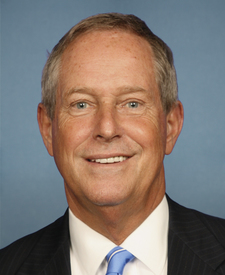
Joe Wilson
R-SC | Primary Sponsor
Legislative Progress
In CommitteeMr. Wilson of South Carolina (for himself and Mr. Crow) …
Referred to the Committee on Foreign Affairs, and in addition …
Introduced in House
Stakeholder Effects
cui bono?How this legislation distributes effects. Mention counts reflect frequency, not effect magnitude.
Government of Tunisia officials, State Department sanctions staff, Treasury Department sanctions staff
Tunisian democracy advocacy organizations, Tunisian political prisoner families
Bill Structure & Actor Mappings
Who is "The Secretary" in each section?
We use a combination of our own taxonomy and classification in addition to large language models to assess meaning and potential beneficiaries. High confidence means strong textual evidence. Always verify with the original bill text.
Learn more about our methodology