To extend the SBIR and STTR programs, and for other purposes.
Summary
What This Bill Does
This bill is a one-year bridge for the Small Business Innovation Research and Small Business Technology Transfer programs. Section 1 extends the core SBIR authority in section 9(m) of the Small Business Act from September 30, 2025 to September 30, 2026, and extends the STTR authority in section 9(n)(1)(A) through fiscal year 2026. These authorities require participating federal agencies with qualifying extramural research budgets to reserve portions of research funding for competitive awards to small businesses and, for STTR, small businesses working with nonprofit research institutions.
Section 2 extends a set of related SBIR/STTR program activities from fiscal year 2025 or September 30, 2025 to fiscal year 2026 or September 30, 2026. The extended provisions include commercialization and technical-assistance authorities, mentor-protege or partnership activities, data collection, ownership and venture-capital participation rules, agency reporting, Inspector General or fraud-prevention oversight, and other program administration provisions in section 9 of the Small Business Act. The bill does not redesign the programs; it prevents a lapse while leaving the existing structure in place for one additional year.
Who Benefits and How
SBIR small business awardees, STTR small business awardees, small businesses commercializing federally funded research, university research partners, nonprofit research institutions, venture-capital-backed small businesses eligible under SBIR/STTR ownership rules, commercialization-assistance providers, defense technology startups, biomedical startups, energy technology startups, NASA technology vendors, and federal mission offices that use small-business research awards benefit because the bill preserves award authority, collaboration pathways, and support programs through September 30, 2026.
Who Bears the Burden and How
The Small Business Administration SBIR/STTR policy office, Department of Defense research offices, National Institutes of Health extramural research offices, National Science Foundation research offices, Department of Energy research offices, NASA research offices, federal Inspector General offices, agency SBIR/STTR program managers, large research contractors, and federal taxpayers must continue administering set-asides, solicitations, reporting, oversight, fraud-prevention measures, commercialization assistance, and one more year of program funding and compliance.
Key Provisions
- Extends core SBIR authority from September 30, 2025 to September 30, 2026.
- Extends STTR authority through fiscal year 2026.
- Extends related SBIR/STTR program activities and pilot authorities through fiscal year 2026 or September 30, 2026.
- Extends commercialization, technical-assistance, ownership, venture-capital participation, reporting, and oversight provisions for one year.
- Preserves existing SBIR/STTR award pathways rather than changing award eligibility or program design.
Evidence Chain:
This summary is generated from the full bill text using AI analysis. Expand "Detailed Analysis" below for identified beneficiaries/burden bearers with clause-level evidence links.
At a Glance
What This Bill Does
Extends the Small Business Innovation Research and Small Business Technology Transfer authorities and related SBIR/STTR pilot programs, commercialization assistance, ownership, reporting, and oversight provisions from fiscal year 2025 or September 30, 2025 to fiscal year 2026 or September 30, 2026.
Key Policy Areas
Small Business, Research & Development, Federal Procurement
Primary Purpose
Extends the Small Business Innovation Research and Small Business Technology Transfer authorities and related SBIR/STTR pilot programs, commercialization assistance, ownership, reporting, and oversight provisions from fiscal year 2025 or September 30, 2025 to fiscal year 2026 or September 30, 2026.
Policy Domains
Substantive provisions
Identified Gains
- SBIR small business awardees
- STTR small business awardees
- Small businesses commercializing federally funded research
- University research partners
- Nonprofit research institutions
- Venture-capital-backed small businesses
- Commercialization-assistance providers
- Defense technology startups
- Biomedical startups
- Energy technology startups
- NASA technology vendors
Identified Costs
- Small Business Administration SBIR/STTR policy office
- Department of Defense research offices
- National Institutes of Health extramural research offices
- National Science Foundation research offices
- Department of Energy research offices
- NASA research offices
- Federal Inspector General offices
- Agency SBIR/STTR program managers
- Large research contractors
- Federal taxpayers
Sponsors
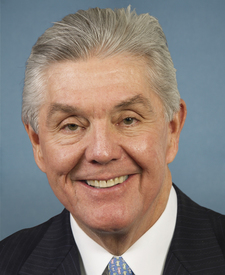


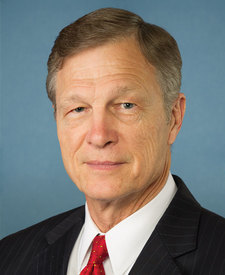

Legislative Progress
Passed HouseReceived; read twice and referred to the Committee on Small …
Received in the Senate and Read twice and referred to …
Passed House (inferred from eh version)
Motion to reconsider laid on the table Agreed to without …
On motion to suspend the rules and pass the bill …
Passed/agreed to in House: On motion to suspend the rules …
DEBATE - The House proceeded with forty minutes of debate …
Considered under suspension of the rules. (consideration: CR H4273)
Mr. Williams (TX) moved to suspend the rules and pass …
Reported from the Committee on Small Business
Stakeholder Effects
cui bono?How this legislation distributes effects. Mention counts reflect frequency, not effect magnitude.
Agency SBIR program managers, Agency STTR program managers, Department of Defense research offices
SBIR small business awardees, STTR small business awardees, Small businesses in SBIR commercialization pipelines
Nonprofit research institutions, University research partners
Bill Structure & Actor Mappings
Who is "The Secretary" in each section?
- "sbir"
- → Small Business Innovation Research program
- "sttr"
- → Small Business Technology Transfer program
We use a combination of our own taxonomy and classification in addition to large language models to assess meaning and potential beneficiaries. High confidence means strong textual evidence. Always verify with the original bill text.
Learn more about our methodology