To require the United States Governor of, and the United States Executive Director at, the International Monetary Fund to oppose an increase in the weight of the Chinese renminbi in the Special Drawing Rights basket of the Fund, and for other purposes.
Analysis under review: This bill has generated analysis that may be too generic or incomplete. Clause-level evidence remains available below.
Summary
What This Bill Does
This bill, To require the United States Governor of, and the United States Executive Director at, the International Monetary Fund to oppose an increase in the weight of the Chinese renminbi in the Special Drawing Rights basket of the Fund, and for other purposes., changes federal law or congressional policy affecting financial institutions, investors, and borrowers. The main policy domain is Finance, Trade, Foreign Policy.
Who Benefits and How
financial institutions, investors, and borrowers may benefit from new authority, funding, eligibility, regulatory clarity, or reduced risk created by the bill.
Who Bears the Burden and How
federal implementing agencies, financial institutions, investors, and borrowers may take on implementation duties, reporting obligations, compliance costs, or oversight responsibilities.
Key Provisions
- Section HD0A400AF31FF4165BE8516AC8D681E81: 1. Short title This Act may be cited as the Chinese Currency Accountability Act of 2023.
- Section H0B10B19D13144B699F81E48AFF13D41F: 2. Opposition of the United States to an increase in the weight of the Chinese renminbi in the Special Drawing Rights basket of the International Monetary Fund...
- Section H2758FA66E56A4E0C8669CEF39380040E: 3. Sunset Section 2 shall have no force or effect beginning 10 years after the date of the enactment of this Act.
Evidence Chain:
This summary is generated from the full bill text using AI analysis. Expand "Detailed Analysis" below for identified beneficiaries/burden bearers.
At a Glance
What This Bill Does
This bill, To require the United States Governor of, and the United States Executive Director at, the International Monetary Fund to oppose an increase in the weight of the Chinese renminbi in the Special Drawing Rights basket of the Fund, and for other purposes., changes federal law or congressional policy affecting financial institutions, investors, and borrowers.
Key Policy Areas
Finance, Trade, Foreign Policy
Primary Purpose
This bill, To require the United States Governor of, and the United States Executive Director at, the International Monetary Fund to oppose an increase in the weight of the Chinese renminbi in the Special Drawing Rights basket of the Fund, and for other purposes., changes federal law or congressional policy affecting financial institutions, investors, and borrowers.
Policy Domains
Whole bill
Identified Gains
Contextual inference, no direct clause citation- financial institutions, investors, and borrowers
Contextual inference, no direct clause citation
Identified Costs
Contextual inference, no direct clause citation- federal implementing agencies
- financial institutions, investors, and borrowers
Contextual inference, no direct clause citation
Sponsors

Legislative Progress
ReportedReceived; read twice and referred to the Committee on Foreign …
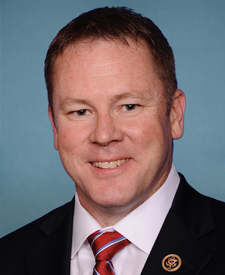
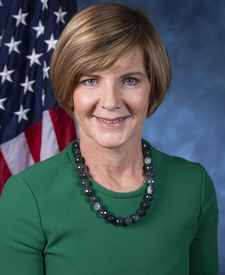
Additional sponsors: Mr. Lawler and Ms. Lee of Nevada
Reported with an amendment, committed to the Committee of the …
Mr. Davidson introduced the following bill; which was referred to …
Impact analysis is available but no clear stakeholder effects identified. View clause-level analysis →
Bill Structure & Actor Mappings
Who is "The Secretary" in each section?
- "secretary_of_treasury"
- → Secretary of the Treasury
We use a combination of our own taxonomy and classification in addition to large language models to assess meaning and potential beneficiaries. High confidence means strong textual evidence. Always verify with the original bill text.
Learn more about our methodology