To repeal changes to Medicaid cost sharing requirements and the exclusion for orphan drugs under the Medicare Drug Price Negotiation Program.
Analysis under review: This bill has generated analysis that may be too generic or incomplete. Clause-level evidence remains available below.
Summary
The Protect Patients from Costly Care Act rolls back two healthcare provisions from the recent reconciliation law (Public Law 119-21). First, it repeals changes that increased cost-sharing (copays and premiums) for Medicaid patients, restoring the previous lower cost-sharing levels. Second, it repeals changes that would have allowed Medicare to negotiate prices on orphan drugs (medications for rare diseases), restoring the exemption that shields these drugs from government price negotiation. The bill applies existing law as if the reconciliation changes had never been enacted and rescinds any associated funding.
Evidence Chain:
This summary is generated from the full bill text using AI analysis. Expand "Detailed Analysis" below for identified beneficiaries/burden bearers with clause-level evidence links.
At a Glance
What This Bill Does
Repeals two provisions of the reconciliation bill (Public Law 119-21): (1) changes to Medicaid cost-sharing requirements that increased out-of-pocket costs for Medicaid beneficiaries, and (2) changes to the orphan drug exclusion under the Medicare Drug Price Negotiation Program that removed protections for rare disease drugs from price negotiation. Restores the pre-reconciliation status quo for both provisions.
Key Policy Areas
Healthcare, Pharmaceuticals
Primary Purpose
Repeals two provisions of the reconciliation bill (Public Law 119-21): (1) changes to Medicaid cost-sharing requirements that increased out-of-pocket costs for Medicaid beneficiaries, and (2) changes to the orphan drug exclusion under the Medicare Drug Price Negotiation Program that removed protections for rare disease drugs from price negotiation. Restores the pre-reconciliation status quo for both provisions.
Policy Domains
Section 2 -- Repeal of Medicaid Cost Sharing Changes
Identified Gains
- Medicaid beneficiaries (restored lower cost-sharing)
- Low-income patients who would face higher out-of-pocket costs
- Healthcare providers serving Medicaid populations (patients more likely to seek care)
- State Medicaid programs (reduced administrative complexity)
Identified Costs
- Federal budget (higher Medicaid spending without cost-sharing offsets)
- Proponents of Medicaid reform (policy reversal)
Section 3 -- Repeal of Orphan Drug Exclusion Changes
Identified Gains
Contextual inference, no direct clause citation- Pharmaceutical companies producing orphan drugs (restored pricing power)
- Rare disease drug manufacturers (exempt from Medicare price negotiation)
- Biotechnology industry (incentive to develop rare disease treatments preserved)
Contextual inference, no direct clause citation
Identified Costs
Contextual inference, no direct clause citation- Medicare program (cannot negotiate lower prices for orphan drugs)
- Medicare beneficiaries using orphan drugs (potentially higher drug costs)
- Federal budget (higher Medicare drug spending)
Contextual inference, no direct clause citation
Sponsors
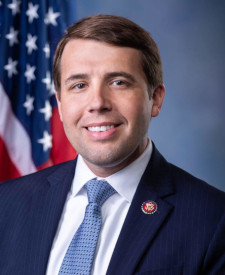
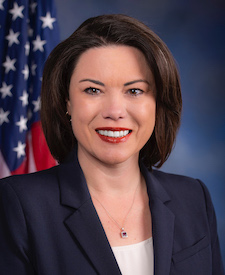


Legislative Progress
IntroducedMr. Pappas (for himself, Mr. Jackson of Illinois, Mr. Ruiz, …
Impact analysis is available but no clear stakeholder effects identified. View clause-level analysis →
Bill Structure & Actor Mappings
Who is "The Secretary" in each section?
We use a combination of our own taxonomy and classification in addition to large language models to assess meaning and potential beneficiaries. High confidence means strong textual evidence. Always verify with the original bill text.
Learn more about our methodology