Telehealth Modernization Act
Analysis under review: This bill has generated analysis that may be too generic or incomplete. Clause-level evidence remains available below.
Summary
The Telehealth Modernization Act extends multiple Medicare telehealth flexibilities by two years (through September 2027), including the removal of geographic restrictions, expanded originating sites, broader eligible practitioners, coverage for FQHCs and rural clinics, audio-only services, and delayed in-person requirements for mental health. It extends the hospital-at-home waiver program through 2030 with a mandated quality study. It combats DME fraud by flagging items with aberrant billing patterns for prepayment review. It requires HHS to issue guidance on providing telehealth to people with limited English proficiency. It enables in-home cardiopulmonary rehabilitation via video technology, and opens the Medicare Diabetes Prevention Program to fully virtual providers through 2030.
Evidence Chain:
This summary is generated from the full bill text using AI analysis. Expand "Detailed Analysis" below for identified beneficiaries/burden bearers.
At a Glance
What This Bill Does
Extends Medicare telehealth flexibilities through September 2027, delays in-person requirements for mental health services, extends the acute hospital care at home waiver through 2030, strengthens Medicare program integrity for durable medical equipment and lab tests, issues guidance for telehealth services to individuals with limited English proficiency, creates in-home cardiopulmonary rehabilitation options, and includes virtual diabetes prevention program suppliers in the MDPP.
Key Policy Areas
Healthcare
Primary Purpose
Extends Medicare telehealth flexibilities through September 2027, delays in-person requirements for mental health services, extends the acute hospital care at home waiver through 2030, strengthens Medicare program integrity for durable medical equipment and lab tests, issues guidance for telehealth services to individuals with limited English proficiency, creates in-home cardiopulmonary rehabilitation options, and includes virtual diabetes prevention program suppliers in the MDPP.
Policy Domains
Section 8 - Virtual MDPP Suppliers
Identified Gains
Contextual inference, no direct clause citation- Virtual diabetes prevention program providers
- Medicare beneficiaries at risk for diabetes
- Telehealth and digital health companies
Contextual inference, no direct clause citation
Identified Costs
Contextual inference, no direct clause citation- Medicare Trust Fund (expanded program participation)
- In-person diabetes prevention providers (new competition)
Contextual inference, no direct clause citation
Section 4 - Acute Hospital Care at Home Extension
Identified Gains
Contextual inference, no direct clause citation- Hospitals operating at-home programs
- Patients who prefer receiving acute care at home
- Health IT and remote monitoring companies
Contextual inference, no direct clause citation
Identified Costs
Contextual inference, no direct clause citation- HHS (mandated study and report)
- Hospital staff and nursing unions (labor comparison data)
Contextual inference, no direct clause citation
Section 5 - DME Program Integrity
Identified Gains
Contextual inference, no direct clause citation- Medicare Trust Fund (reduced fraud)
- Legitimate DME suppliers (level playing field)
- Medicare beneficiaries (reduced unnecessary orders)
Contextual inference, no direct clause citation
Identified Costs
Contextual inference, no direct clause citation- DME suppliers engaging in aberrant billing
- Clinical labs identified as high-risk for fraud
- CMS (new prepayment review processes)
Contextual inference, no direct clause citation
Sections 2-3 - Telehealth Flexibilities Extension
Identified Gains
Contextual inference, no direct clause citation- Medicare beneficiaries in rural and underserved areas
- Telehealth service providers
- Federally Qualified Health Centers and Rural Health Clinics
- Mental health service providers
Contextual inference, no direct clause citation
Identified Costs
Contextual inference, no direct clause citation- Medicare Trust Fund (extended telehealth costs)
- Hospice providers (new modifier/coding requirements)
Contextual inference, no direct clause citation
Sponsors


Legislative Progress
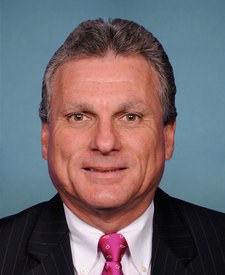
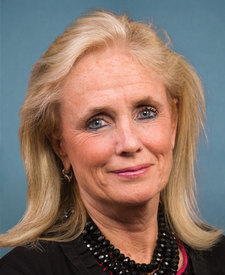
In CommitteeMr. Carter of Georgia (for himself and Mrs. Dingell) introduced …
Referred to the Committee on Energy and Commerce, and in …
Introduced in House
Impact analysis is available but no clear stakeholder effects identified. View clause-level analysis →
Bill Structure & Actor Mappings
Who is "The Secretary" in each section?
- "the_secretary"
- → Secretary of Health and Human Services
- "the_secretary"
- → Secretary of Health and Human Services
- "the_secretary"
- → Secretary of Health and Human Services
- "inspector_general"
- → Inspector General of HHS
- "the_secretary"
- → Secretary of Health and Human Services
- "the_secretary"
- → Secretary of Health and Human Services
- "the_secretary"
- → Secretary of Health and Human Services
Key Definitions
Terms defined in this bill
Medicare Diabetes Prevention Program conducted under section 1115A of the Social Security Act.
The Secretary of Health and Human Services.
We use a combination of our own taxonomy and classification in addition to large language models to assess meaning and potential beneficiaries. High confidence means strong textual evidence. Always verify with the original bill text.
Learn more about our methodology