To amend title V of the Public Health Service Act to direct the Center for Mental Health Services to develop and disseminate a strategy to address the effects of new technologies on children’s mental health.
Sponsors
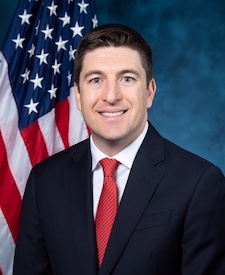
Bryan Steil
R-WI | Primary Sponsor
Legislative Progress
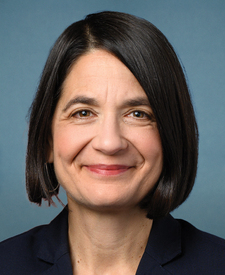
IntroducedMr. Steil (for himself and Ms. Balint) introduced the following …
Summary
What This Bill Does
The "Protecting Young Minds Online Act" requires the federal Center for Mental Health Services to create and roll out a comprehensive strategy to help local communities deal with how new technologies, particularly social media, affect children'''s mental health. This adds a new responsibility to an existing federal agency that'''s already tasked with promoting mental health services across the country.
Who Benefits and How
Local communities and mental health providers stand to benefit from this legislation. The federal strategy could bring new resources, guidance, and potentially funding to communities struggling with technology-related mental health issues among children. Mental health service providers and community-based organizations may see new opportunities for programs and services as the strategy gets implemented. Families with children experiencing mental health challenges related to social media use would gain access to better local support systems informed by federal expertise.
Who Bears the Burden and How
The Center for Mental Health Services (part of the Substance Abuse and Mental Health Services Administration) takes on a new mandate requiring staff time and resources to develop and implement this strategy. Taxpayers ultimately bear the cost of this new federal initiative, though the bill doesn'''t specify appropriations. While the bill doesn'''t directly regulate social media companies, they could face indirect pressure if the strategy leads to future regulatory or policy recommendations.
Key Provisions
- Amends Section 520(b) of the Public Health Service Act to add a new requirement for CMHS
- Specifically names "new technologies, such as social media" as the focus area
- Requires both development AND implementation of the strategy, not just a report
- Focuses on helping "local communities" address these issues, suggesting a decentralized approach
- Targets children'''s mental health specifically, not general population mental health
Evidence Chain:
This summary is derived from the structured analysis below. See "Detailed Analysis" for per-title beneficiaries/burden bearers with clause-level evidence links.
Primary Purpose
Requires the Center for Mental Health Services to develop and implement a strategy to help local communities address the effects of new technologies, such as social media, on children's mental health
Policy Domains
Legislative Strategy
"Expand federal mental health infrastructure to address technology-related mental health concerns for children"
Likely Beneficiaries
- Center for Mental Health Services (receives new mandate and likely funding)
- Local communities (receive federal support/strategy)
- Mental health service providers (potential new programs)
- Children and families (target population for services)
Likely Burden Bearers
- Center for Mental Health Services (new administrative workload)
- Taxpayers (potential funding for strategy development and implementation)
- Technology companies (indirect - if strategy leads to future regulation)
Bill Structure & Actor Mappings
Who is "The Secretary" in each section?
- "the_center"
- → Center for Mental Health Services (within the Substance Abuse and Mental Health Services Administration)
Key Definitions
Terms defined in this bill
Technologies such as social media (as used in the context of their effects on children's mental health)
We use a combination of our own taxonomy and classification in addition to large language models to assess meaning and potential beneficiaries. High confidence means strong textual evidence. Always verify with the original bill text.
Learn more about our methodology