Counter-UAS Authority Security, Safety, and Reauthorization Act
Summary
What This Bill Does
This bill updates counter-unmanned aircraft system authority. It defines covered airports, covered sites, covered events, covered entities, covered facilities, and appropriate congressional committees. It extends and modifies authority for DHS and DOJ to protect facilities and assets from unmanned aircraft systems, including detection, identification, monitoring, tracking, warning, seizure, control, disablement, damage, or destruction when authorized. It also adds FAA counter-UAS authority to detect or mitigate credible threats to safe airport operations and to test systems for interference with aircraft navigation, air traffic services, and the national airspace system.
The bill creates additional limited detection authority for covered sites and events, establishes a counter-UAS mitigation law-enforcement pilot program for state and covered local law enforcement agencies, and requires planning and deployment work at covered airports. It bars careless or reckless operation of counter-UAS systems that interferes with safe airport operations, navigation, air traffic services, or the national airspace system, and creates enforcement authority and civil penalties. It requires annual public reporting by DHS, coordinated with FAA and DOJ, on detection and mitigation activities, violations, communications interceptions, First Amendment-protected activity, seizures or destruction of drones, and privacy and civil-liberties protections. It also modernizes drone safety statements.
Who Benefits and How
Large hub airports, medium hub airports, major cargo airports, amusement park operators, critical infrastructure operators, state prison operators, 2026 FIFA World Cup host cities, and the 2028 Los Angeles Olympic Games region benefit from clearer access to counter-UAS detection or mitigation pathways. DHS, DOJ, FAA, and Federal Law Enforcement Training Centers benefit from reauthorized authorities and training roles. U.S. counter-UAS equipment manufacturers benefit from demand for approved systems and restrictions on foreign-adversary technology. Event security companies and airport security contractors benefit from planning and deployment work. The public benefits if unauthorized drone threats near airports, critical infrastructure, prisons, and major events are detected or mitigated safely.
Who Bears the Burden and How
Drone operators near protected sites, airports, and major events face greater risk of warning, seizure, disablement, damage, destruction, or enforcement. Private counter-UAS system operators and non-federal counter-UAS operators must avoid careless or reckless operations that interfere with aviation safety. State and local law enforcement agencies in the pilot program must submit applications, justify need, follow training and protocols, coordinate with DHS, DOJ, and FAA, and protect privacy and civil liberties. DHS, DOJ, FAA, and airport operators must manage planning, approvals, oversight, reporting, privacy safeguards, and civil-liberties reviews. Foreign adversary counter-UAS companies face procurement and deployment barriers.
Key Provisions
- Defines covered airports, covered sites, covered events, covered entities, covered facilities, and appropriate congressional committees.
- Reauthorizes DHS and DOJ counter-UAS detection and mitigation authorities for protected facilities and assets.
- Provides FAA counter-UAS authority to address credible threats to the national airspace system and test counter-UAS technology.
- Establishes additional limited detection authority for covered sites and covered events.
- Creates a state and covered local law-enforcement counter-UAS mitigation pilot program.
- Requires counter-UAS planning and deployment work at covered airports.
- Prohibits careless or reckless counter-UAS operations that interfere with aviation safety and establishes enforcement authority.
- Requires annual public reporting on counter-UAS activities, privacy, civil liberties, and First Amendment impacts.
Evidence Chain:
This summary is generated from the full bill text using AI analysis. Expand "Detailed Analysis" below for identified beneficiaries/burden bearers with clause-level evidence links.
At a Glance
What This Bill Does
Reauthorizes and expands federal counter-UAS authorities for DHS, DOJ, and FAA; defines covered airports, sites, events, and entities; restricts foreign-adversary systems; creates detection and mitigation authority, an airport planning program, a state and local mitigation pilot, enforcement rules, annual public reporting, and drone-safety statement modernization.
Key Policy Areas
Drones, Homeland Security, Aviation Safety, Law Enforcement, Critical Infrastructure
Primary Purpose
Reauthorizes and expands federal counter-UAS authorities for DHS, DOJ, and FAA; defines covered airports, sites, events, and entities; restricts foreign-adversary systems; creates detection and mitigation authority, an airport planning program, a state and local mitigation pilot, enforcement rules, annual public reporting, and drone-safety statement modernization.
Policy Domains
House resolution provisions
Identified Gains
- Large hub airports
- Medium hub airports
- Major cargo airports
- Amusement park operators
- Critical infrastructure operators
- State prison operators
- 2026 FIFA World Cup host cities
- 2028 Los Angeles Olympic Games region
- DHS counter-UAS staff
- DOJ counter-UAS staff
- FAA safety staff
- U.S. counter-UAS equipment manufacturers
- Event security companies
Identified Costs
- Drone operators near protected sites
- Drone operators near airports
- Drone operators at major events
- Private counter-UAS system operators
- Non-federal counter-UAS operators
- State law enforcement agencies in the pilot program
- Local law enforcement agencies in the pilot program
- DHS reporting staff
- DOJ oversight staff
- FAA airport safety staff
- Foreign adversary counter-UAS companies
Sponsors
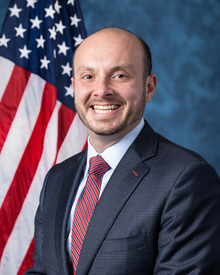

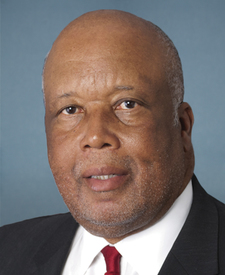
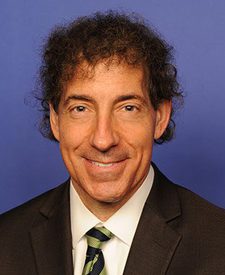
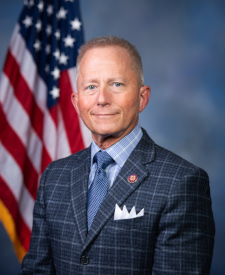
Legislative Progress
ReportedOrdered to be Reported (Amended) by the Yeas and Nays: …
Committee Consideration and Mark-up Session Held
Subcommittee on Aviation Discharged
Referred to the Subcommittee on Aviation.
Referred to the Subcommittee on Counterterrorism and Intelligence.
Mr. Garbarino (for himself, Mr. Thompson of Mississippi, Mr. Graves, …
Referred to the Committee on Transportation and Infrastructure, and in …
Introduced in House
Stakeholder Effects
cui bono?How this legislation distributes effects. Mention counts reflect frequency, not effect magnitude.
Chinese counter-UAS manufacturers, Counter-UAS detection and mitigation system manufacturers, Counter-UAS detection system manufacturers
Positive-direction: Counter-UAS detection and mitigation system manufacturers, Counter-UAS detection system manufacturers, Counter-UAS mitigation system manufacturers, U.S. counter-UAS system manufacturers, U.S.-based counter-UAS equipment manufacturers
Negative-direction: Chinese counter-UAS manufacturers, Foreign adversary technology companies, Small UAS manufacturers
Authorized counter-UAS operators, Department of Homeland Security, Department of Justice
Department of Homeland Security faces effects in multiple directions
Commercial UAS operators, Large and medium hub airports, Large hub airports
Drone consumers, Drone operators, Drone operators at major events
Positive-direction: Drone consumers
Negative-direction: Drone operators, Drone operators at major events, Drone operators near airports, Drone operators near protected sites, Recreational drone operators near protected sites
2026 FIFA World Cup host cities, 2028 Olympic Games host region (Los Angeles), State and local law enforcement agencies in major cities
Positive-direction: 2026 FIFA World Cup host cities, 2028 Olympic Games host region (Los Angeles), State and local law enforcement agencies in major cities, State prison operators
Negative-direction: State and local law enforcement operating counter-UAS
Airport security contractors, Event security companies, Non-federal counter-UAS system operators
Positive-direction: Airport security contractors, Event security companies
Negative-direction: Non-federal counter-UAS system operators, Private counter-UAS system operators
Critical infrastructure operators (oil refineries, chemical facilities, energy facilities)
Bill Structure & Actor Mappings
Who is "The Secretary" in each section?
- "dhs"
- → Department of Homeland Security
- "doj"
- → Department of Justice
- "faa"
- → Federal Aviation Administration
We use a combination of our own taxonomy and classification in addition to large language models to assess meaning and potential beneficiaries. High confidence means strong textual evidence. Always verify with the original bill text.
Learn more about our methodology