To amend the Higher Education Act of 1965 to provide for a teacher leader development program, and for other purposes.
Analysis under review: This bill has generated analysis that may be too generic or incomplete. Clause-level evidence remains available below.
Summary
What This Bill Does
This bill creates a teacher leader development program that trains experienced classroom teachers to take on formal leadership roles in their schools while continuing to teach. The program is funded through grants to partnerships between higher education institutions and high-need school districts, and reauthorizes appropriations for these programs through fiscal year 2030.
Who Benefits and How
Experienced teachers (3+ years) in high-need school districts benefit by gaining leadership credentials and potential stipends while remaining classroom instructors. Higher education institutions benefit from new partnership grant opportunities. Students benefit from improved instructional practices driven by teacher leaders. High-need schools benefit from improved curriculum development, peer coaching, and data-driven instruction.
Who Bears the Burden and How
The federal government bears the cost of grant funding for the program. Local educational agencies and higher education institutions must provide matching funds for teacher stipends (50% in years 1-2, 67% in year 3). Teachers who do not complete their service term may be required to repay credential costs.
Key Provisions
- Establishes a teacher leader development program with 1 year of professional development and 1-2 years of follow-up support
- Requires teachers to be fully certified with 3+ years of experience to participate
- Allows grant funds to cover training costs and partial stipends with matching requirements
- Reauthorizes appropriations for FY2025 plus 5 succeeding fiscal years
Evidence Chain:
This summary is generated from the full bill text using AI analysis. Expand "Detailed Analysis" below for identified beneficiaries/burden bearers.
At a Glance
What This Bill Does
Creates a teacher leader development program under the Higher Education Act that provides professional development grants for experienced classroom teachers to take on formalized leadership roles while remaining in the classroom, and reauthorizes appropriations through FY2030.
Key Policy Areas
Education
Primary Purpose
Creates a teacher leader development program under the Higher Education Act that provides professional development grants for experienced classroom teachers to take on formalized leadership roles while remaining in the classroom, and reauthorizes appropriations through FY2030.
Policy Domains
Whole Bill - Teacher Leader Development Program
Identified Gains
Contextual inference, no direct clause citation- Experienced classroom teachers
- Higher education institutions
- High-need school districts
- Students in high-need schools
Contextual inference, no direct clause citation
Identified Costs
Contextual inference, no direct clause citation- Federal government (education funding)
- Local educational agencies (matching funds)
- Participating teachers (service commitment)
Contextual inference, no direct clause citation
Sponsors
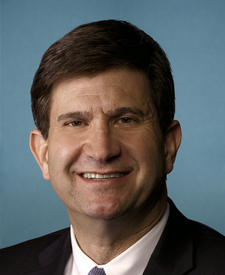




Legislative Progress
IntroducedMr. Schneider (for himself, Ms. Underwood, Mr. Fitzpatrick, Mr. Mannion, …
Stakeholder Effects
cui bono?How this legislation distributes effects. Mention counts reflect frequency, not effect magnitude.
Experienced classroom teachers in high-need school districts, High-need local educational agencies, Higher education institutions in eligible partnerships
Bill Structure & Actor Mappings
Who is "The Secretary" in each section?
- "the_secretary"
- → Secretary of Education (implied, Higher Education Act)
Key Definitions
Terms defined in this bill
A highly effective educator who carries out formalized leadership responsibilities based on demonstrated school needs while maintaining a role as a classroom instructor, trained in teacher leadership and fostering collaborative culture.
We use a combination of our own taxonomy and classification in addition to large language models to assess meaning and potential beneficiaries. High confidence means strong textual evidence. Always verify with the original bill text.
Learn more about our methodology