American Decade of Sports Act
Summary
What This Bill Does
This bill directs the State Department to use the major sporting events hosted in the United States during the next decade as a diplomacy platform. Within 120 days, the Assistant Secretary for Educational and Cultural Affairs must submit a five-year Mega-Decade Sports Diplomacy Strategy to the House Foreign Affairs Committee and Senate Foreign Relations Committee. Five years later, the Assistant Secretary must submit a second five-year strategy. The strategy must define diplomatic objectives, success metrics, partnerships with host cities, diaspora communities, creatives, athletes, the sports industry, private-sector entities, human rights organizations, and civil society stakeholders.
The bill also renames the State Department's sports diplomacy division as the Office of Sports Diplomacy, places it under the Deputy Assistant Secretary for Professional and Cultural Exchanges, and assigns it responsibility for implementing the strategy. The Office must coordinate across State Department bureaus, work with host cities and their social, political, and economic partners, engage diaspora communities, partner with sports leagues and athletes, collaborate with trade and tourism offices, elevate American arts, film, and music creators, and coordinate visa processing for eligible international visitors, broadcasters, athletes, and support staff. The Secretary of State must submit annual implementation reports until December 31, 2034.
Who Benefits and How
The Office of Sports Diplomacy benefits from a formal name, placement, and implementation mandate. Host cities for major sporting events benefit from State Department coordination that can deepen foreign engagement, tourism, trade, and commercial ties. U.S. sports leagues, athletes, and sports-industry companies benefit from a federal strategy to promote international partnerships and sports diplomacy programs. Diaspora communities benefit from formal engagement around foreign visitors and officials. American arts, film, and music creators benefit from being included in cultural exchange around the events. International visitors, broadcasters, athletes, and support staff benefit from coordinated visa-processing attention. Human rights organizations and civil society stakeholders benefit from a seat in the strategy's partnership plan.
Who Bears the Burden and How
State Department Educational and Cultural Affairs staff must write two five-year strategies and define diplomatic objectives, metrics, partnerships, and internal coordination plans. Office of Sports Diplomacy staff must manage exchange programs, host-city engagement, diaspora outreach, sports-industry partnerships, cultural promotion, and interagency visa coordination. State Department visa-processing staff must coordinate efficient processing for eligible event visitors and support personnel. Host city trade and tourism offices must work with State and foreign partners. Congressional foreign affairs committee staff must review annual implementation reports through 2034.
Key Provisions
- Requires a five-year Mega-Decade Sports Diplomacy Strategy within 120 days and a second strategy five years later.
- Directs the strategy to use major U.S.-hosted sporting events to advance soft power, diplomatic relationships, and global leadership.
- Establishes the Office of Sports Diplomacy by renaming the State Department sports diplomacy division.
- Requires the Office to coordinate host-city, diaspora, sports-industry, cultural, trade, tourism, and visa-related diplomacy work.
- Requires annual State Department implementation reports to Congress until December 31, 2034.
Evidence Chain:
This summary is generated from the full bill text using AI analysis. Expand "Detailed Analysis" below for identified beneficiaries/burden bearers with clause-level evidence links.
At a Glance
What This Bill Does
Requires the State Department to create and implement a five-year Mega-Decade Sports Diplomacy Strategy, rename the sports diplomacy division as the Office of Sports Diplomacy, use major U.S.-hosted sporting events through 2034 for diplomacy, tourism, culture, visas, and commercial engagement, and report annually to Congress.
Key Policy Areas
Diplomacy, Sports, Tourism, State Department, Cultural Exchange
Primary Purpose
Requires the State Department to create and implement a five-year Mega-Decade Sports Diplomacy Strategy, rename the sports diplomacy division as the Office of Sports Diplomacy, use major U.S.-hosted sporting events through 2034 for diplomacy, tourism, culture, visas, and commercial engagement, and report annually to Congress.
Policy Domains
House resolution provisions
Identified Gains
- Office of Sports Diplomacy
- Host cities for major sporting events
- U.S. sports leagues
- American athletes
- Sports-industry companies
- Diaspora communities
- American arts creators
- American film creators
- American music creators
- International visitors
- International broadcasters
- Human rights organizations
- Civil society stakeholders
Identified Costs
- State Department Educational and Cultural Affairs staff
- Office of Sports Diplomacy staff
- State Department visa-processing staff
- Host city trade offices
- Host city tourism offices
- Congressional foreign affairs committee staff
Sponsors
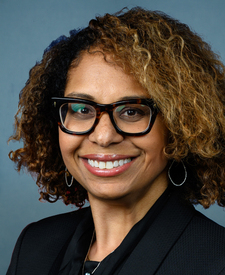
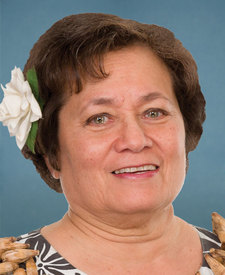
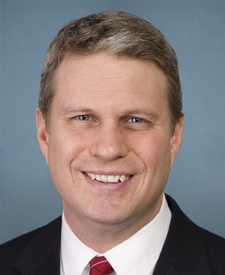
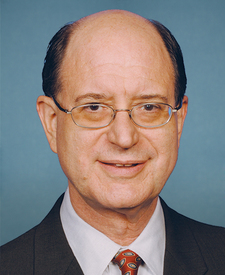

Legislative Progress
ReportedOrdered to be Reported (Amended) by the Yeas and Nays: …
Committee Consideration and Mark-up Session Held
Ms. Kamlager-Dove (for herself, Mr. Huizenga, Mr. Meeks, Mr. McCaul, …
Referred to the House Committee on Foreign Affairs.
Introduced in House
Stakeholder Effects
cui bono?How this legislation distributes effects. Mention counts reflect frequency, not effect magnitude.
House Foreign Affairs Committee staff, Office of Sports Diplomacy staff, Senate Foreign Relations Committee staff
Positive-direction: House Foreign Affairs Committee staff, Senate Foreign Relations Committee staff
Negative-direction: Office of Sports Diplomacy staff, State Department Educational and Cultural Affairs staff, State Department reporting staff, State Department visa-processing staff
Host cities for major sporting events, Host city tourism offices, International visitors
International athletes, U.S. sports industry, U.S. sports leagues
Civil society stakeholders, Human rights organizations
Bill Structure & Actor Mappings
Who is "The Secretary" in each section?
- "eca"
- → Bureau of Educational and Cultural Affairs
- "state"
- → Department of State
We use a combination of our own taxonomy and classification in addition to large language models to assess meaning and potential beneficiaries. High confidence means strong textual evidence. Always verify with the original bill text.
Learn more about our methodology