To reinstate all employees and programs at the National Oceanic and Atmospheric Administration that help communities prepare for and mitigate damage from extreme weather events.
Analysis under review: This bill has generated analysis that may be too generic or incomplete. Clause-level evidence remains available below.
Summary
What This Bill Does
The bill creates congressional findings on climate change impacts and NOAA staffing reductions, requires NOAA staffing restoration mandate, and requires continuation and reinstatement of NOAA weather and climate programs. It relies on compliance mandates and appropriations. The main policy areas are Environment and Science & Space.
Who Benefits and How
The available clause analysis does not identify a specific beneficiary group.
Who Bears the Burden and How
No clear private burden is identified from the available clause analysis; implementing agencies may still take on administrative work.
Key Provisions
- Creates congressional findings on climate change impacts and NOAA staffing reductions.
- Requires NOAA staffing restoration mandate.
- Requires continuation and reinstatement of NOAA weather and climate programs.
- Provides NOAA direct appropriation for FY2026.
Evidence Chain:
This summary is generated from the full bill text using AI analysis. Expand "Detailed Analysis" below for primary purpose and policy domains.
At a Glance
What This Bill Does
The bill creates congressional findings on climate change impacts and NOAA staffing reductions, requires NOAA staffing restoration mandate, and requires continuation and reinstatement of NOAA weather and climate programs.
Key Policy Areas
Environment, Science & Space
Primary Purpose
The bill creates congressional findings on climate change impacts and NOAA staffing reductions, requires NOAA staffing restoration mandate, and requires continuation and reinstatement of NOAA weather and climate programs.
Policy Domains
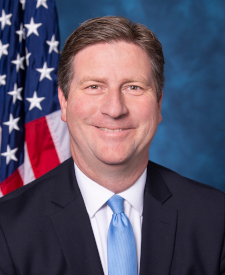
Sponsors




Legislative Progress
IntroducedMr. Neguse (for himself, Mr. Casar, Mr. Stanton, Mr. Amo, …
Stakeholder Effects
cui bono?How this legislation distributes effects. Mention counts reflect frequency, not effect magnitude.
NOAA (Billion-Dollar Disasters product, Marine Buoy Database, Ocean Currents Database), NOAA and National Weather Service, NOAA employees terminated after January 20, 2025
Bill Structure & Actor Mappings
Who is "The Secretary" in each section?
- "nws"
- → National Weather Service
- "noaa"
- → National Oceanic and Atmospheric Administration
- "the_secretary"
- → Secretary of Commerce
Key Definitions
Terms defined in this bill
We use a combination of our own taxonomy and classification in addition to large language models to assess meaning and potential beneficiaries. High confidence means strong textual evidence. Always verify with the original bill text.
Learn more about our methodology