Community Parks Revitalization Act
Summary
What This Bill Does
The bill defines states the purposes of Title I: to authorize HUD to establish a program enabling communities to leverage resources for health, economic development, and conservation through parks investments, including chronic, establishes the community parks revitalization program under HUD to award competitive grants for rehabilitation/construction of recreational areas, innovation programs, and recovery action programs to eligible local, and establishes priority criteria for rehabilitation and construction grant selection, including serving high-density communities, addressing deficiencies in recreation access for minorities, low-income residents, veterans. It relies on compliance mandates, definition changes, grants, and reporting requirements. The main policy areas are Parks and Recreation, Finance, Infrastructure Finance, and Housing.
Who Benefits and How
Parks infrastructure project developers could gain revenue opportunities, Local governments in metropolitan areas could gain revenue opportunities, and Parks infrastructure loan applicants could gain revenue opportunities.
Who Bears the Burden and How
Federal taxpayers could face higher costs, Local governments applying for grants would take on compliance duties, and HUD rulemaking staff would take on compliance duties.
Key Provisions
- Defines states the purposes of Title I: to authorize HUD to establish a program enabling communities to leverage resources for health, economic development, and conservation through parks investments, including chronic...
- Establishes the community parks revitalization program under HUD to award competitive grants for rehabilitation/construction of recreational areas, innovation programs, and recovery action programs to eligible local...
- Establishes priority criteria for rehabilitation and construction grant selection, including serving high-density communities, addressing deficiencies in recreation access for minorities, low-income residents, veterans...
- Establishes priority criteria for innovation and recreation program grants, including integration with other community services, new management approaches, serving military families, therapeutic recreation for disabled...
- Requires local governments applying for grants to submit a local park and recreation recovery action program demonstrating commitment to ongoing planning, rehabilitation, service, operation, and maintenance of park...
Evidence Chain:
This summary is generated from the full bill text using AI analysis. Expand "Detailed Analysis" below for identified beneficiaries/burden bearers with clause-level evidence links.
At a Glance
What This Bill Does
The bill defines states the purposes of Title I: to authorize HUD to establish a program enabling communities to leverage resources for health, economic development, and conservation through parks investments, including chronic, establishes the community parks revitalization program under HUD to award competitive grants for rehabilitation/construction of recreational areas, innovation programs, and recovery action programs to eligible local, and establishes priority criteria for rehabilitation and construction grant selection, including serving high-density communities, addressing deficiencies in recreation access for minorities, low-income residents, veterans.
Key Policy Areas
Parks and Recreation, Finance, Infrastructure Finance, Housing
Primary Purpose
The bill defines states the purposes of Title I: to authorize HUD to establish a program enabling communities to leverage resources for health, economic development, and conservation through parks investments, including chronic, establishes the community parks revitalization program under HUD to award competitive grants for rehabilitation/construction of recreational areas, innovation programs, and recovery action programs to eligible local, and establishes priority criteria for rehabilitation and construction grant selection, including serving high-density communities, addressing deficiencies in recreation access for minorities, low-income residents, veterans.
Policy Domains
Title I - Community Parks Revitalization Program
Identified Gains
- Parks infrastructure project developers
- Local governments in metropolitan areas
- Parks infrastructure loan applicants
- Park construction and rehabilitation contractors
- Military families and veterans
Identified Costs
- Federal taxpayers
- Local governments applying for grants
- HUD rulemaking staff
- HUD Secretary
- Grant recipients (local governments)
Sponsors
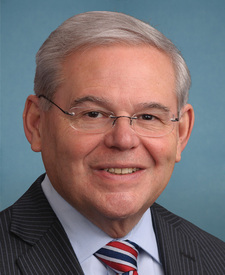
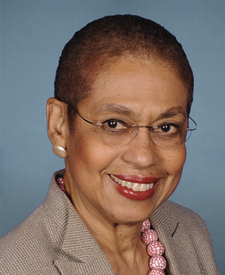

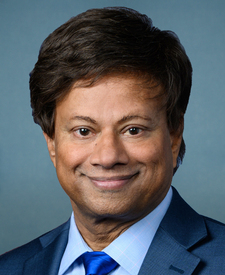
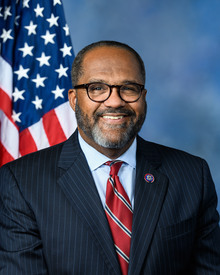
Legislative Progress
In CommitteeMr. Menendez (for himself, Mr. Thanedar, Mr. Carter of Louisiana, …
Referred to the Committee on Financial Services, and in addition …
Introduced in House
Stakeholder Effects
cui bono?How this legislation distributes effects. Mention counts reflect frequency, not effect magnitude.
Eligible entities seeking loans, Grant recipients (local governments), HUD Secretary
HUD program administrators faces effects in multiple directions
Positive-direction: Local governments eligible for grants, Local governments in metropolitan areas, Local governments receiving enhanced grants
Negative-direction: Eligible entities seeking loans, Grant recipients (local governments), HUD Secretary, HUD loan servicing operations, HUD parks program administrators, HUD rulemaking staff, Local governments applying for grants, Local governments seeking grants, Local governments with grant-funded parks, State agencies administering urban programs, State governments providing matching funds
Creditworthy parks infrastructure projects, Minority and youth workers, Non-creditworthy project applicants
Positive-direction: Creditworthy parks infrastructure projects, Minority and youth workers, Park construction and rehabilitation contractors, Parks and recreation infrastructure developers, Parks infrastructure loan applicants, Parks infrastructure project developers
Negative-direction: Non-creditworthy project applicants, Project developers (must still obtain permits)
At-risk youth, At-risk youth in urban areas, Disabled service members
Credit rating agencies, Entities eligible for Title II financing, Financial servicing firms
Federal taxpayers (loan guarantee exposure), Federal taxpayers (via LWCF), Taxpayers
Engineering and design firms, Municipal finance attorneys and consultants, Park and recreation planning consultants
Real estate developers seeking park land, Real estate professionals
Positive-direction: Real estate professionals
Negative-direction: Real estate developers seeking park land
Private nonprofit recreation organizations
Bill Structure & Actor Mappings
Who is "The Secretary" in each section?
- "the_secretary"
- → Secretary of Housing and Urban Development
- "the_secretary"
- → Secretary of Housing and Urban Development
Key Definitions
Terms defined in this bill
A local government eligible for a grant under section 103(a).
Any city, county, town, township, parish, village, or local/regional special district.
Corporations, partnerships, governmental entities, park districts, or State infrastructure financing authorities.
A secured loan or loan guarantee under section 208.
We use a combination of our own taxonomy and classification in addition to large language models to assess meaning and potential beneficiaries. High confidence means strong textual evidence. Always verify with the original bill text.
Learn more about our methodology