BITE Act
Summary
What This Bill Does
The BITE Act requires HHS to establish and maintain a comprehensive national vector-borne disease prevention system. The system must include a professional vector identification service covering ticks, mosquitoes, and fleas, accessible to civilians and the Department of Defense, and using a One Health approach that integrates human, animal, and environmental data. It must include an AI-enhanced early warning system using weather, habitat, and wildlife data to predict disease activity and send real-time location-based risk alerts; insurance claims surveillance using private and public health insurance claims to detect outbreaks earlier; syndromic surveillance of emergency room visits at civilian hospitals and military medical treatment facilities; public education using schools, workplaces, media, and community organizations; and national strategic alignment supporting a 25 percent reduction in Lyme disease by 2035 and military readiness through early detection and ecosystem health.
Who Benefits and How
Civilians in vector-risk areas benefit from vector identification services, real-time risk alerts, and targeted prevention education. Department of Defense medical staff benefit from access to vector identification and syndromic surveillance that includes military treatment facilities. Public health agencies benefit from One Health data integrating human, animal, and environmental signals. Lyme disease prevention advocates benefit from a national target of a 25 percent reduction in Lyme disease by 2035.
Who Bears the Burden and How
HHS public health staff must establish and maintain the national vector-borne disease prevention system. Hospital emergency departments must support syndromic surveillance for vector-borne symptoms if included in implementation. Health insurers face data-use demands if claims surveillance is used to detect outbreaks earlier. AI system operators must manage weather, habitat, wildlife, and location-based alert data responsibly.
Key Provisions
- Requires HHS to establish a comprehensive national vector-borne disease prevention system.
- Creates professional vector identification for ticks, mosquitoes, and fleas using a One Health data approach.
- Requires AI-enhanced early warnings, insurance claims surveillance, and syndromic emergency-room surveillance.
- Requires public education through schools, workplaces, media, and community organizations.
- Sets national alignment toward a 25 percent Lyme disease reduction by 2035 and military readiness.
Evidence Chain:
This summary is generated from the full bill text using AI analysis. Expand "Detailed Analysis" below for identified beneficiaries/burden bearers with clause-level evidence links.
At a Glance
What This Bill Does
Requires HHS to establish a national vector-borne disease prevention system with vector identification, AI early warnings, claims and syndromic surveillance, public education, and a Lyme disease reduction target.
Key Policy Areas
Public Health, Vector-Borne Disease, Artificial Intelligence, Military Health
Primary Purpose
Requires HHS to establish a national vector-borne disease prevention system with vector identification, AI early warnings, claims and syndromic surveillance, public education, and a Lyme disease reduction target.
Policy Domains
Resolution provisions
Identified Gains
- Civilians in vector-risk areas
- Department of Defense medical staff
- Public health agencies
- Lyme disease prevention advocates
Identified Costs
- HHS public health staff
- Hospital emergency departments
- Health insurers
- AI system operators
Sponsors
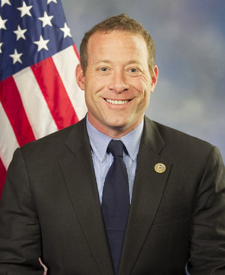
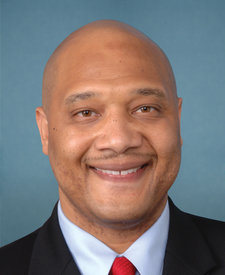



Legislative Progress
In CommitteeMr. Gottheimer (for himself and Mr. Kean) introduced the following …
Referred to the House Committee on Energy and Commerce.
Introduced in House
Stakeholder Effects
cui bono?How this legislation distributes effects. Mention counts reflect frequency, not effect magnitude.
HHS public health staff, Public health agencies
Positive-direction: Public health agencies
Negative-direction: HHS public health staff
Bill Structure & Actor Mappings
Who is "The Secretary" in each section?
We use a combination of our own taxonomy and classification in addition to large language models to assess meaning and potential beneficiaries. High confidence means strong textual evidence. Always verify with the original bill text.
Learn more about our methodology