Tick Identification Pilot Program Act of 2025
Summary
What This Bill Does
The Tick Identification Pilot Program Act lets HHS, through CDC, award grants to states for tick identification programs. Priority goes to states with more reported Lyme disease and other tick-borne disease cases and effective implementation plans. Funded programs must let individuals electronically submit photos of ticks with likely geographic location, date, and physical location such as pet, human, or loose; have qualified professionals review submissions; respond directly within 72 hours with species and life-stage identification when possible, estimated disease-carrying risk when possible, recommendations about medical evaluation and tick testing, and education on avoiding ticks and preventing tick-borne illness; and maintain a database of reported tick incidents. HHS must collect state program data and report to Congress within 90 days after the first day of each fiscal year 2026 through 2029.
Who Benefits and How
Residents in high-Lyme states benefit from a way to submit tick photos and receive direct guidance within 72 hours. State health departments benefit from grants to build tick identification programs and incident databases. Qualified vector biologists benefit from funded roles reviewing tick images and risk information. Public health researchers benefit from standardized data on tick encounter date, location, environment, identification, and prevention guidance.
Who Bears the Burden and How
CDC vector-borne disease staff must prioritize grants, collect data, and report to Congress for fiscal years 2026 through 2029. State health departments must maintain image submission systems, professional review processes, databases, and public responses. Qualified professionals must review tick images and provide identification, risk estimates, and prevention recommendations. Federal taxpayers bear the cost of grants to states implementing the pilot programs.
Key Provisions
- Authorizes CDC-administered grants for state tick identification programs.
- Requires electronic image submission with location, date, and physical encounter information.
- Requires direct responses within 72 hours after qualified professional review.
- Requires state databases of reported tick incidents and prevention guidance.
- Requires HHS reports to Congress for fiscal years 2026 through 2029.
Evidence Chain:
This summary is generated from the full bill text using AI analysis. Expand "Detailed Analysis" below for identified beneficiaries/burden bearers with clause-level evidence links.
At a Glance
What This Bill Does
Authorizes CDC-administered grants to states for electronic tick identification programs with 72-hour responses, incident databases, and annual congressional reports for fiscal years 2026 through 2029.
Key Policy Areas
Public Health, Vector-Borne Disease, Federal Grants
Primary Purpose
Authorizes CDC-administered grants to states for electronic tick identification programs with 72-hour responses, incident databases, and annual congressional reports for fiscal years 2026 through 2029.
Policy Domains
Resolution provisions
Identified Gains
- Residents in high-Lyme states
- State health departments
- Qualified vector biologists
- Public health researchers
Identified Costs
- CDC vector-borne disease staff
- State health departments
- Qualified professionals
- Federal taxpayers
Sponsors
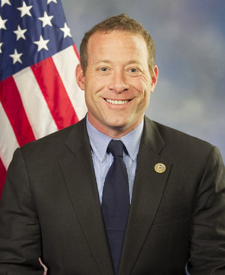
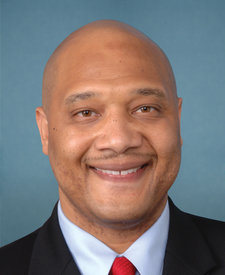



Legislative Progress
In CommitteeMr. Gottheimer (for himself and Mr. Kean) introduced the following …
Referred to the House Committee on Energy and Commerce.
Introduced in House
Stakeholder Effects
cui bono?How this legislation distributes effects. Mention counts reflect frequency, not effect magnitude.
CDC vector-borne disease staff, State health departments
Positive-direction: State health departments
Negative-direction: CDC vector-borne disease staff
Public health researchers, Qualified vector biologists
Bill Structure & Actor Mappings
Who is "The Secretary" in each section?
We use a combination of our own taxonomy and classification in addition to large language models to assess meaning and potential beneficiaries. High confidence means strong textual evidence. Always verify with the original bill text.
Learn more about our methodology