To improve understanding and policy responses to the impacts of wildfire smoke on children in educational and childcare settings, and for other purposes.
Analysis under review: This bill has generated analysis that may be too generic or incomplete. Clause-level evidence remains available below.
Summary
What This Bill Does
The Shielding Students from Wildfire Smoke Act directs the Environmental Protection Agency to hire the National Academies of Sciences, Engineering, and Medicine to conduct a comprehensive review of how schools and childcare facilities currently protect children from wildfire smoke. The review covers K-12 schools, childcare settings, and related out-of-school activities like childrens sports and summer camps. The National Academies must assess existing policies, identify gaps in research and protections, and recommend strategies to better safeguard children, with particular attention to under-resourced schools and childcare programs.
Who Benefits and How
Children in K-12 schools and childcare programs benefit from improved protections against wildfire smoke exposure, which can cause respiratory problems and other health issues. Under-resourced schools and childcare providers are specifically called out for attention, which could help reduce health disparities. Parents and caregivers benefit from the assurance that childrens environments will be evaluated for smoke safety. Researchers and policymakers benefit from a rigorous, independent scientific assessment of current gaps.
Who Bears the Burden and How
The EPA bears the administrative burden and cost of contracting with the National Academies. The National Academies must conduct the review and produce the report. Schools and childcare providers could eventually face new standards or recommendations based on the findings, potentially requiring upgrades to air filtration or changes to outdoor activity policies. Taxpayers fund the study through the EPAs budget.
Key Provisions
- Directs the EPA to contract with the National Academies of Sciences, Engineering, and Medicine
- Review must assess current wildfire smoke standards, guidance, and mitigation strategies for schools and childcare settings
- Must identify gaps in research and policy for protecting children from smoke
- Must provide recommendations to Congress, with specific attention to under-resourced schools and childcare programs
- Covers both indoor and outdoor activities administered by schools or childcare programs
Evidence Chain:
This summary is generated from the full bill text using AI analysis. Expand "Detailed Analysis" below for identified beneficiaries/burden bearers with clause-level evidence links.
At a Glance
What This Bill Does
Directs the EPA to contract with the National Academies of Sciences to review and evaluate school and childcare policies for protecting children from wildfire smoke exposure, and to recommend improvements to Congress.
Key Policy Areas
Environment, Education, Public Health
Primary Purpose
Directs the EPA to contract with the National Academies of Sciences to review and evaluate school and childcare policies for protecting children from wildfire smoke exposure, and to recommend improvements to Congress.
Policy Domains
Whole Bill - Wildfire Smoke in Schools Review
Identified Gains
- Children in schools and childcare programs
- Under-resourced schools and childcare providers
- Parents and caregivers
Identified Costs
- EPA (contracting and funding the study)
- National Academies (conducting the review)
- Taxpayers (funding the study)
Sponsors

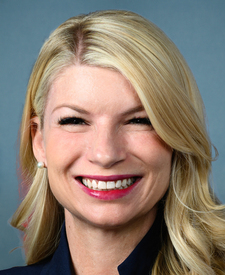
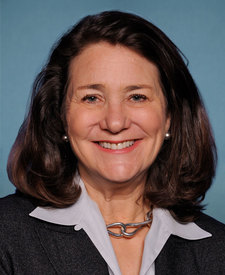

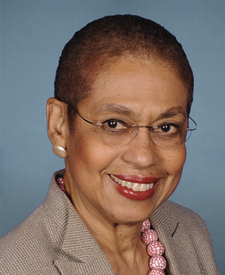
Legislative Progress
IntroducedMs. Dexter (for herself, Mr. Tonko, Ms. McClellan, Ms. Norton, …
Impact analysis is available but no clear stakeholder effects identified. View clause-level analysis →
Bill Structure & Actor Mappings
Who is "The Secretary" in each section?
- "the_administrator"
- → Administrator of the Environmental Protection Agency
We use a combination of our own taxonomy and classification in addition to large language models to assess meaning and potential beneficiaries. High confidence means strong textual evidence. Always verify with the original bill text.
Learn more about our methodology