Counseling for Career Choice Act
Summary
What This Bill Does
The Counseling for Career Choice Act rewrites an Elementary and Secondary Education Act allowable-use provision for career guidance and school counseling. The amended language covers guidance for school career counseling programs, identification of school counseling activities and in-state or out-of-state postsecondary options, regional workforce trend analysis with state boards, local workforce boards, regional economic development organizations, or state employment agencies, infrastructure for counselors to access workforce information, training on workforce information, financial aid assistance, personal counseling, and academic advising, financial literacy and federal financial aid awareness, professional or career development certification for counselors and educators, and coordination of postsecondary opportunities such as individual career planning, personalized learning plans, registered apprenticeships, internships, dual enrollment, recognized credentials, two-year degree programs, and other pathways. The bill does not create a new standalone grant, but it makes career counseling and workforce pathway work a clearer permissible use within existing education support funding.
Who Benefits and How
School counselors benefit because the allowable-use language expressly supports workforce trend information, professional development, and career counseling infrastructure. Students benefit from more current workforce information, financial aid awareness, personal counseling, academic advising, and postsecondary pathway planning. Local workforce boards benefit from a formal role as sources of regional workforce trend expertise for schools. Career training providers benefit when schools coordinate apprenticeships, internships, dual enrollment, credentials, and two-year degree pathways.
Who Bears the Burden and How
State education agencies must administer updated allowable-use guidance for career counseling activities. School districts must coordinate counseling programs with workforce trend data and postsecondary opportunity planning. Counselor training providers must align professional development or certification offerings with the amended language. Education program administrators must verify that funded activities fit the revised Elementary and Secondary Education Act category.
Key Provisions
- Amends ESEA career guidance and school counseling allowable uses.
- Adds regional workforce trend identification with workforce boards, economic development organizations, and employment agencies.
- Provides counselor access to workforce information, financial aid awareness, and academic advising activities.
- Authorizes professional development or career development certification for counselors and educators.
- Expands covered postsecondary pathways to apprenticeships, internships, dual enrollment, credentials, and two-year degree programs.
Evidence Chain:
This summary is generated from the full bill text using AI analysis. Expand "Detailed Analysis" below for identified beneficiaries/burden bearers with clause-level evidence links.
At a Glance
What This Bill Does
Updates Elementary and Secondary Education Act allowable uses for career guidance and school counseling programs to include workforce-trend information, counselor training, financial aid awareness, and postsecondary pathways.
Key Policy Areas
Education, Workforce Development, Career Counseling
Primary Purpose
Updates Elementary and Secondary Education Act allowable uses for career guidance and school counseling programs to include workforce-trend information, counselor training, financial aid awareness, and postsecondary pathways.
Policy Domains
Resolution provisions
Identified Gains
- School counselors
- Students
- Local workforce boards
- Career training providers
Identified Costs
- State education agencies
- School districts
- Counselor training providers
- Education program administrators
Sponsors
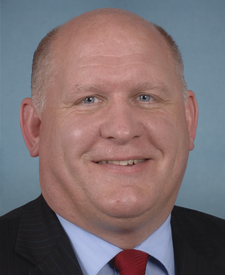
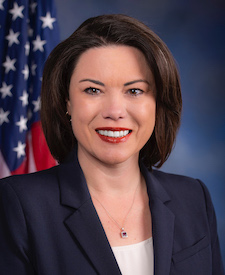


Legislative Progress
In CommitteeMr. Thompson of Pennsylvania (for himself and Ms. Bonamici) introduced …
Referred to the House Committee on Education and Workforce.
Introduced in House
Stakeholder Effects
cui bono?How this legislation distributes effects. Mention counts reflect frequency, not effect magnitude.
School counselors, School districts, Students
Bill Structure & Actor Mappings
Who is "The Secretary" in each section?
We use a combination of our own taxonomy and classification in addition to large language models to assess meaning and potential beneficiaries. High confidence means strong textual evidence. Always verify with the original bill text.
Learn more about our methodology