HOV Lane Exemption Reauthorization Act
Summary
What This Bill Does
The HOV Lane Exemption Reauthorization Act extends an existing title 23 authority for high-occupancy vehicle facilities by replacing the September 30, 2025 sunset date with September 30, 2031. In practical terms, the bill lets states continue using the federal HOV exemption authority for eligible vehicles under section 166(b)(5)(A) for six additional years. The public stakes are narrow but concrete: drivers and state transportation agencies that rely on the exemption avoid a 2025 cutoff, while HOV lane managers must continue balancing exempt-vehicle access against congestion and carpool travel goals.
Who Benefits and How
Eligible clean vehicle drivers benefit because the federal HOV exemption authority would continue through September 30, 2031. State transportation agencies benefit because they can keep administering HOV exemption programs without a 2025 federal sunset. Clean transportation advocates benefit from a longer incentive window for vehicles eligible under section 166(b)(5)(A). Automakers selling eligible vehicles benefit indirectly if HOV access remains a consumer incentive.
Who Bears the Burden and How
HOV lane managers must continue monitoring exempt-vehicle access and lane performance through the extended period. Carpool commuters may face added congestion pressure if exempt vehicles use HOV lanes in high volumes. State transportation compliance staff must update program materials to reflect the 2031 sunset date. Federal highway oversight staff must continue supervising state use of the exemption authority.
Key Provisions
- Extends the title 23 HOV facility exemption sunset from September 30, 2025, to September 30, 2031.
- Provides six additional years of federal authority for eligible exempt vehicles.
- Maintains state flexibility to operate HOV exemption programs under section 166(b)(5)(A).
- Requires transportation administrators to manage exempt access alongside congestion and occupancy goals.
Evidence Chain:
This summary is generated from the full bill text using AI analysis. Expand "Detailed Analysis" below for identified beneficiaries/burden bearers.
At a Glance
What This Bill Does
Extends the federal HOV facility exemption authority in title 23 from September 30, 2025, to September 30, 2031.
Key Policy Areas
Transportation, Clean Vehicles, Highway Policy
Primary Purpose
Extends the federal HOV facility exemption authority in title 23 from September 30, 2025, to September 30, 2031.
Policy Domains
Resolution provisions
Identified Gains
Contextual inference, no direct clause citation- Eligible clean vehicle drivers
- State transportation agencies
- Clean transportation advocates
- Automakers selling eligible vehicles
Contextual inference, no direct clause citation
Identified Costs
Contextual inference, no direct clause citation- HOV lane managers
- Carpool commuters
- State transportation compliance staff
- Federal highway oversight staff
Contextual inference, no direct clause citation
Sponsors
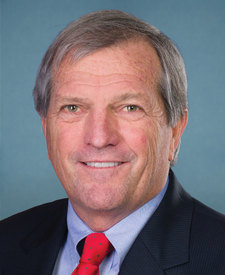
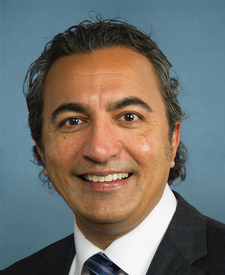

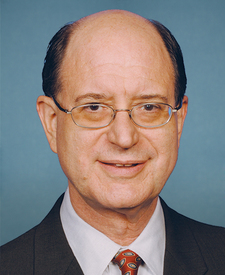

Legislative Progress
In CommitteeReferred to the Subcommittee on Highways and Transit.
Mr. DeSaulnier (for himself and Mr. Stanton) introduced the following …
Referred to the House Committee on Transportation and Infrastructure.
Introduced in House
Impact analysis is available but no clear stakeholder effects identified. View clause-level analysis →
Bill Structure & Actor Mappings
Who is "The Secretary" in each section?
We use a combination of our own taxonomy and classification in addition to large language models to assess meaning and potential beneficiaries. High confidence means strong textual evidence. Always verify with the original bill text.
Learn more about our methodology