To authorize the Attorney General to carry out a pilot program to make grants to entities to develop gun safety technology, and for other purposes.
Sponsors


Legislative Progress
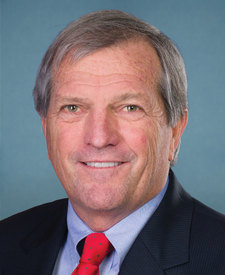
IntroducedMr. DeSaulnier (for himself, Ms. Lofgren, and Mr. Beyer) introduced …
Summary
What This Bill Does
The Advancing Gun Safety Technology Act creates a pilot grant program run by the Attorney General to help small businesses develop new gun safety technologies. The program will award between 3 and 5 grants to companies with fewer than 500 employees who are working on innovations like smart guns, user-authorized handguns, childproof firearms, and personalized gun safes. The goal is to support the commercialization of technologies that prevent guns from being used accidentally or by unauthorized users.
Who Benefits and How
Small businesses and startups developing gun safety technology are the primary beneficiaries. These companies would receive federal grants to help them build prototypes, conduct testing, and prepare their products for market. This financial support reduces one of the biggest barriers these innovators face: the high cost of developing and commercializing new firearms technology. Consumers seeking safer gun storage and firearms options would also benefit from having more products available that reduce the risk of accidental shootings, particularly those involving children.
Who Bears the Burden and How
Federal taxpayers would fund this program through a million appropriation for fiscal year 2026. Grant recipients would face some administrative burden in submitting detailed applications describing their technology plans and initial product designs. They would also need to regularly report on development milestones such as building prototypes, conducting reliability testing, and planning for production. The Department of Justice and National Institute of Justice would take on the administrative responsibility of running the grant program, including reviewing applications and monitoring grantee progress.
Key Provisions
- Authorizes the Attorney General, through the National Institute of Justice, to run a competitive pilot grant program for gun safety technology development
- Limits eligibility to small businesses with fewer than 500 employees that are developing technologies to prevent accidental or unauthorized gun use
- Requires the program to award at least 3 but no more than 5 grants to qualifying companies
- Provides million in federal funding for fiscal year 2026 to support the grants
- Mandates that grant recipients report on key development milestones including prototype construction, reliability testing, trial production planning, and commercialization preparation
- Defines gun safety technology broadly to include smart guns, user-authorized handguns, childproof guns, personalized guns, and personalized safes and locking devices
Evidence Chain:
This summary is derived from the structured analysis below. See "Detailed Analysis" for per-title beneficiaries/burden bearers with clause-level evidence links.
Primary Purpose
Authorizes the Attorney General to carry out a pilot grant program to support small businesses in developing gun safety technology to reduce accidental and unauthorized gun use.
Policy Domains
Legislative Strategy
"Support technological innovation in gun safety through competitive grants to small businesses, focusing on commercialization of safety features"
Likely Beneficiaries
- Small businesses (less than 500 employees) developing gun safety technology
- Gun safety technology startups and innovators
- Consumers seeking safer firearm options
- Families with children seeking childproof gun solutions
Likely Burden Bearers
- Taxpayers (through M appropriation for FY2026)
- Department of Justice/National Institute of Justice (administrative burden)
- Grant applicants (application and reporting requirements)
Bill Structure & Actor Mappings
Who is "The Secretary" in each section?
- "the_director"
- → Director of the National Institute of Justice
- "the_attorney_general"
- → Attorney General of the United States
Key Definitions
Terms defined in this bill
A small business concern (as defined under section 3 of the Small Business Act (15 U.S.C. 632)) that has less than 500 employees
Has the meaning given the term firearm in section 921 of title 18, United States Code
Technology that is designed to reduce the likelihood of an accidental or unauthorized use of a gun, including smart guns, user-authorized handguns, childproof guns, personalized guns, and safes and locking devices that include personalized technology
We use a combination of our own taxonomy and classification in addition to large language models to assess meaning and potential beneficiaries. High confidence means strong textual evidence. Always verify with the original bill text.
Learn more about our methodology