Expanding the VOTE Act
Summary
What This Bill Does
The Expanding the VOTE Act strengthens section 203 language-minority voting protections. It clarifies that voting materials include digital and printed election information, extends obligations when states provide voting materials to covered political subdivisions, and requires the Attorney General to notify jurisdictions that are close to coverage thresholds. For American Indian and Alaska Native language groups, it updates the data baseline to the most recent information and allows oral instructions, assistance, and translation when a Tribal government tells the Attorney General that the language is unwritten or the Tribe does not want written translation. It also creates Election Assistance Commission incentive grants for states and political subdivisions that voluntarily provide voting materials in covered language minority languages even when the applying jurisdiction does not trigger section 203 coverage. GAO must study lower threshold options and whether language minorities should include Arabic, French, Haitian Creole, or other languages.
Who Benefits and How
Language minority communities benefit because digital election information and printed voting materials are expressly covered by language-access rules. American Indian language communities benefit because oral assistance can satisfy section 203 when a Tribal government identifies an unwritten language or rejects written translation. Alaska Native language communities benefit from the same updated and Tribally informed language-access framework. States seeking voluntary language grants benefit from EAC funding for materials in languages not yet triggering coverage in the applying jurisdiction.
Who Bears the Burden and How
State election administrators must provide covered language materials and respond to near-threshold notice obligations. Local election administrators must implement language assistance for covered political subdivisions and grant-funded language materials. Election Assistance Commission grant staff must run the incentive grant program and review stakeholder-engagement plans. GAO analysts must study lower section 203 thresholds and possible expansion to Arabic, French, Haitian Creole, or other languages.
Key Provisions
- Expands the definition of voting materials to include digital and printed election information.
- Requires Attorney General notices to jurisdictions close to language-minority coverage thresholds.
- Modifies American Indian and Alaska Native language assistance rules for unwritten languages and Tribal preferences.
- Authorizes EAC incentive grants for voluntary covered-language voting materials.
- Directs GAO to study lower thresholds and additional language groups.
Evidence Chain:
This summary is generated from the full bill text using AI analysis. Expand "Detailed Analysis" below for identified beneficiaries/burden bearers with clause-level evidence links.
At a Glance
What This Bill Does
Expands Voting Rights Act language-access protections by covering digital materials, adding near-threshold notices, strengthening American Indian and Alaska Native language rules, funding voluntary language materials, and ordering a GAO study.
Key Policy Areas
Elections, Civil Rights, Language Access, Tribal Affairs
Primary Purpose
Expands Voting Rights Act language-access protections by covering digital materials, adding near-threshold notices, strengthening American Indian and Alaska Native language rules, funding voluntary language materials, and ordering a GAO study.
Policy Domains
Resolution provisions
Identified Gains
- Language minority communities
- American Indian language communities
- Alaska Native language communities
- States seeking voluntary language grants
Identified Costs
- State election administrators
- Local election administrators
- Election Assistance Commission grant staff
- GAO analysts
Sponsors
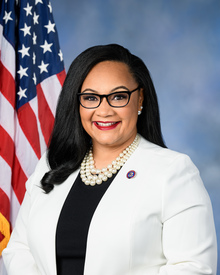
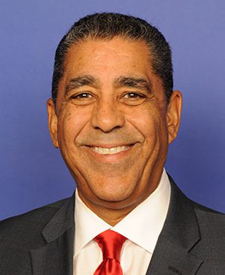
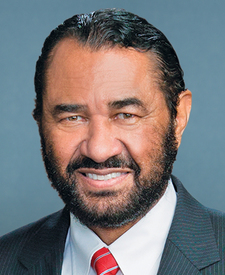
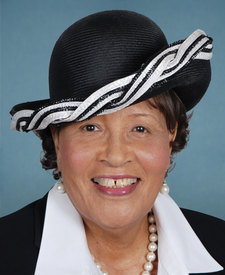
Legislative Progress
In CommitteeMs. Williams of Georgia (for herself, Mr. Raskin, Mr. Morelle, …
Referred to the Committee on the Judiciary, and in addition …
Introduced in House
Stakeholder Effects
cui bono?How this legislation distributes effects. Mention counts reflect frequency, not effect magnitude.
Alaska Native language communities, American Indian language communities, Election Assistance Commission grant staff
Positive-direction: Alaska Native language communities, American Indian language communities
Negative-direction: Election Assistance Commission grant staff, GAO analysts, State election administrators
Bill Structure & Actor Mappings
Who is "The Secretary" in each section?
We use a combination of our own taxonomy and classification in addition to large language models to assess meaning and potential beneficiaries. High confidence means strong textual evidence. Always verify with the original bill text.
Learn more about our methodology