Youth Voting Rights Act
Summary
What This Bill Does
The Youth Voting Rights Act turns the Twenty-Sixth Amendment's age-discrimination promise into detailed election administration rules. It creates a private right of action for citizens age 18 and older whose right to vote is denied or abridged on account of age, with attorney and expert witness fees for prevailing plaintiffs. It treats public higher education offices that assist students as voter registration agencies under the National Voter Registration Act. It requires states to let residents pre-register for federal elections starting at age 16, with registration becoming effective once the person turns 18. It requires on-campus polling places at public higher education campuses and alternative access procedures when private campuses do not permit a polling place. It expands Voting Rights Act residency protections to all federal elections, requires student IDs to satisfy voter ID rules when they contain the same minimum information as other accepted IDs, creates EAC grants for youth civic engagement and paid youth election fellowships, and requires GAO and EAC reporting on registration, absentee, provisional-ballot, campus-polling, age, and race data.
Who Benefits and How
Young voter communities benefit from a federal private right of action against age-based vote denial and abridgment. Students at public universities benefit because student-assistance offices become voter registration agencies and campuses must host polling places. Sixteen and seventeen year old pre-registrants benefit because states must create a process that activates federal registration when they turn 18. Youth civic organizations benefit from EAC grants for pre-registration, civic curriculum, turnout activities, and paid youth election fellowships. Voting rights advocates benefit from a federal cause of action and data collection focused on age-based barriers.
Who Bears the Burden and How
State election administrators must implement pre-registration, campus polling, residency protections, student-ID acceptance, and youth grant reporting. Public university staff must provide voter registration services as NVRA agencies. Election Assistance Commission grant staff must review state plans, performance measures, and youth election engagement grants. GAO analysts must report on age-disaggregated registration, absentee voting, provisional voting, campus polling, and rejection trends.
Key Provisions
- Creates a Twenty-Sixth Amendment private right of action with fee recovery for prevailing plaintiffs.
- Adds public higher education student-assistance offices as voter registration agencies.
- Requires states to provide federal election pre-registration beginning at age 16.
- Requires campus polling places or alternative youth-access procedures for federal elections.
- Requires student IDs to count as voter identification when they contain the same required information as other eligible IDs.
- Authorizes EAC grants and GAO data reports on youth voting access and ballot rejection patterns.
Evidence Chain:
This summary is generated from the full bill text using AI analysis. Expand "Detailed Analysis" below for identified beneficiaries/burden bearers with clause-level evidence links.
At a Glance
What This Bill Does
Creates youth voting protections through a Twenty-Sixth Amendment private right of action, campus registration and polling rules, pre-registration at age 16, student-ID acceptance, youth grants, and voting data reports.
Key Policy Areas
Elections, Civil Rights, Higher Education, Federal Grants
Primary Purpose
Creates youth voting protections through a Twenty-Sixth Amendment private right of action, campus registration and polling rules, pre-registration at age 16, student-ID acceptance, youth grants, and voting data reports.
Policy Domains
Resolution provisions
Identified Gains
- Young voter communities
- Students at public universities
- Youth civic organizations
- Voting rights advocates
Identified Costs
- State election administrators
- Public university staff
- Election Assistance Commission grant staff
- GAO staff
Sponsors
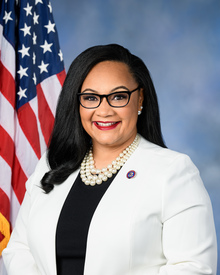
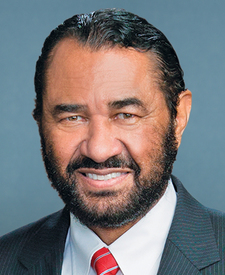

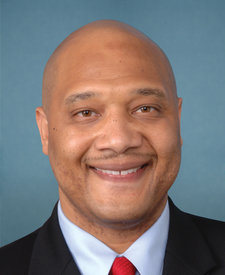
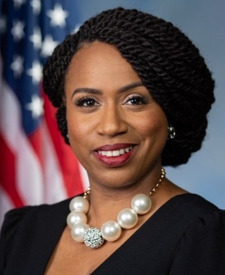
Legislative Progress
In CommitteeMs. Williams of Georgia (for herself, Ms. Ansari, Ms. Brown, …
Referred to the Committee on House Administration, and in addition …
Introduced in House
Stakeholder Effects
cui bono?How this legislation distributes effects. Mention counts reflect frequency, not effect magnitude.
Public university staff, Students at public universities
Positive-direction: Students at public universities
Negative-direction: Public university staff
Election Assistance Commission grant staff, State election administrators
Bill Structure & Actor Mappings
Who is "The Secretary" in each section?
We use a combination of our own taxonomy and classification in addition to large language models to assess meaning and potential beneficiaries. High confidence means strong textual evidence. Always verify with the original bill text.
Learn more about our methodology