POLL Act
Summary
What This Bill Does
The POLL Act attacks long voting lines as a voting-rights problem. It requires states to publish plans before federal elections explaining how they will avoid unreasonable wait times for election day and early voting. The Attorney General and Election Assistance Commission review post-election evidence when substantial numbers of voters, including disabled voters, wait more than 60 minutes or when standards are substantially violated; states then can be placed under remedial plans until wait times stay under 60 minutes for two consecutive general elections. The bill creates a private right of action with statutory damages starting at $50, or $650 for intentional suppression or reckless disregard, plus additional hourly amounts and attorney fees. It also requires minimum voting systems, poll workers, and resources by January 1, 2027, bars chief state election officials from active federal campaign management unless recused, and authorizes $500,000,000 per year in HAVA payments for compliance.
Who Benefits and How
Voters in high-wait communities benefit from federal planning, minimum resource standards, remedial oversight, and private remedies. Disabled voter communities benefit because the wait-time review expressly includes disabled voters and resource standards must account for accessibility needs. Communities of color benefit if uniform resource standards reduce the longer lines documented in Black and other underserved neighborhoods. Voting rights plaintiffs benefit from a statutory damages remedy and attorney-fee recovery after excessive waits.
Who Bears the Burden and How
State election administrators must publish wait-time plans, supply minimum voting systems and poll workers, and comply with federal standards. Chief state election officials must avoid active political management in federal races they supervise unless they fully recuse. Attorney General voting-rights staff must write standards, review violations, and impose remedial plans. Federal taxpayers bear the cost of the $500,000,000 annual authorization for state payments.
Key Provisions
- Requires states to publish federal election plans for preventing unreasonable voting wait times.
- Creates Attorney General and Election Assistance Commission review for waits over 60 minutes and other substantial violations.
- Provides a private right of action with statutory damages, attorney fees, and higher penalties for intentional suppression.
- Requires minimum voting systems, poll workers, and other resources at election day and early voting sites.
- Bars chief state election officials from active federal campaign management in races they supervise.
- Authorizes $500,000,000 per year for state payments to meet federal voting resource standards.
Evidence Chain:
This summary is generated from the full bill text using AI analysis. Expand "Detailed Analysis" below for identified beneficiaries/burden bearers with clause-level evidence links.
At a Glance
What This Bill Does
Sets federal standards against excessive voting wait times, requires minimum voting resources, creates private remedies, restricts partisan management by state election chiefs, and authorizes $500,000,000 per year for state compliance.
Key Policy Areas
Elections, Voting Rights, Election Administration
Primary Purpose
Sets federal standards against excessive voting wait times, requires minimum voting resources, creates private remedies, restricts partisan management by state election chiefs, and authorizes $500,000,000 per year for state compliance.
Policy Domains
Resolution provisions
Identified Gains
- Voters in high-wait communities
- Disabled voter communities
- Communities of color
- Voting rights advocates
Identified Costs
- State election administrators
- Chief state election officials
- Attorney General voting rights staff
- Federal taxpayers
Sponsors
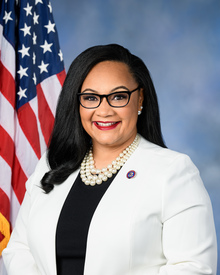
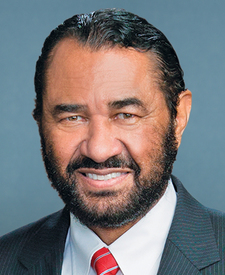
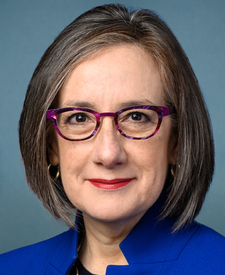
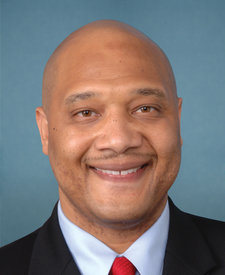
Legislative Progress
In CommitteeMs. Williams of Georgia (for herself, Ms. Crockett, Ms. Ansari, …
Referred to the House Committee on House Administration.
Introduced in House
Stakeholder Effects
cui bono?How this legislation distributes effects. Mention counts reflect frequency, not effect magnitude.
Communities of color, Voters in high-wait communities
Chief state election officials, State election administrators
Bill Structure & Actor Mappings
Who is "The Secretary" in each section?
We use a combination of our own taxonomy and classification in addition to large language models to assess meaning and potential beneficiaries. High confidence means strong textual evidence. Always verify with the original bill text.
Learn more about our methodology