To amend the Higher Education Act of 1965 to prohibit institutions of higher education from receiving gifts from or entering into contracts with foreign countries of concern.
Analysis under review: This bill has generated analysis that may be too generic or incomplete. Clause-level evidence remains available below.
Summary
What This Bill Does
This bill prohibits U.S. colleges and universities from accepting gifts or entering into contracts with "foreign countries of concern" - nations deemed threats to U.S. national security. The Secretary of Education, working with defense and intelligence officials, can designate additional countries beyond those already defined in existing law (which includes China, Russia, Iran, and North Korea).
Who Benefits and How
National security interests benefit from reduced foreign influence over American higher education institutions. U.S. government agencies gain oversight power to limit financial ties between universities and adversarial nations. American research institutions and students may be protected from potential espionage or intellectual property theft facilitated through foreign funding arrangements.
Who Bears the Burden and How
Universities and colleges face new compliance requirements and lose access to potentially significant foreign funding sources. Institutions with existing research partnerships, endowments, or contracts with designated countries must terminate those arrangements. Schools with international programs or exchange agreements with affected countries will need to restructure or end those relationships, potentially reducing educational opportunities and revenue.
Key Provisions
- Bans all gifts from foreign countries of concern to institutions of higher education
- Prohibits contracts between U.S. colleges/universities and designated foreign countries
- Defines "foreign countries of concern" to include China, Russia, Iran, North Korea, and any country the Secretary determines is "detrimental to U.S. national security"
- Preserves individual student tuition payments from foreign nationals, so international students can still attend U.S. schools
- Requires coordination between the Secretary of Education, Secretary of Defense, Secretary of State, and Director of National Intelligence for country designations
Evidence Chain:
This summary is generated from the full bill text using AI analysis. Expand "Detailed Analysis" below for identified beneficiaries/burden bearers.
At a Glance
What This Bill Does
The bill aims to enhance national security by prohibiting institutions of higher education from accepting gifts or entering into contracts with foreign countries deemed detrimental to U.S. interests.
Key Policy Areas
Education, National Security
Primary Purpose
The bill aims to enhance national security by prohibiting institutions of higher education from accepting gifts or entering into contracts with foreign countries deemed detrimental to U.S. interests.
Policy Domains
Legislative Progress
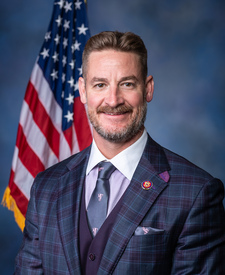
IntroducedMr. Steube introduced the following bill; which was referred to …
Stakeholder Effects
cui bono?How this legislation distributes effects. Mention counts reflect frequency, not effect magnitude.
Bill Structure & Actor Mappings
Who is "The Secretary" in each section?
- "the_secretary"
- → Secretary of Education
- "the_administrator"
- → None
Key Definitions
Terms defined in this bill
A nation that poses a threat to U.S. national security or foreign policy, as defined by the Secretary in consultation with relevant agencies.
A nation that poses a threat to U.S. national security or foreign policy, as defined by the Secretary in consultation with relevant agencies.
We use a combination of our own taxonomy and classification in addition to large language models to assess meaning and potential beneficiaries. High confidence means strong textual evidence. Always verify with the original bill text.
Learn more about our methodology