COVID–19 Military Backpay Act of 2025
Summary
What This Bill Does
The COVID-19 Military Backpay Act gives covered service members a claims path in the Court of Federal Claims for discharges or other service interruptions tied to the Department of Defense COVID-19 vaccination mandate. A covered discharge includes separation, cancellation or curtailment of active-duty orders, or transfer from active to inactive status resulting in whole or part from noncompliance with the mandate or vaccination status. Covered members include active-duty, reserve component, National Guard, and other uniformed service members who were subject to the mandate. The bill makes it impossible to defend a discharge as voluntary when it resulted solely from mandate noncompliance, and treats certain discharge paperwork language as conclusive evidence of involuntariness. If the court finds the discharge involuntary or unlawful, it must award statutory remedies and other available relief: reserve or Guard inactive-duty training compensation without offset for civilian earnings, deemed service through the original contract plus a two-year extension, 20-year or 18-year retirement-related treatment when the member would have reached those milestones, reenlistment or extension eligibility despite reentry codes, involuntary separation pay calculated with the added service time, and jurisdiction notwithstanding 28 U.S.C. 1500. The remedies supplement Executive Order 14184.
Who Benefits and How
Service members discharged over the COVID-19 vaccination mandate benefit from a federal court remedy for back pay, service credit, retirement treatment, and reenlistment eligibility. Reserve component members benefit from compensation for missed inactive-duty training that is not offset by civilian earnings. National Guard members benefit from the same claims path when mandate-related discharge or transfer interrupted service. Members close to 18 or 20 years of service benefit because the bill can deem them to have reached sanctuary or retirement milestones. Military families benefit if lost pay, benefits, health care, education assistance, and retirement treatment are restored.
Who Bears the Burden and How
The Court of Federal Claims must adjudicate covered discharge claims and award specified remedies when discharges are involuntary or unlawful. Defense Department personnel offices must implement deemed service, reenlistment, retirement, and separation-pay consequences after judgments. Uniformed service pay offices must calculate back pay, inactive-duty training pay, retired pay, retainer pay, benefits, and separation pay. Federal taxpayers bear the compensation and retirement costs of successful claims.
Key Provisions
- Allows covered service members to sue in the Court of Federal Claims over COVID-19 mandate-related discharges.
- Treats certain mandate-related voluntary discharges as involuntary and certain discharge paperwork as conclusive evidence.
- Requires compensation for missed reserve or National Guard inactive-duty training without civilian-earnings offsets.
- Provides deemed service credit, retirement treatment, reenlistment eligibility, and involuntary separation pay when the court finds the discharge involuntary or unlawful.
- Makes the statutory remedies additional to Executive Order 14184 remedies.
Evidence Chain:
This summary is generated from the full bill text using AI analysis. Expand "Detailed Analysis" below for identified beneficiaries/burden bearers with clause-level evidence links.
At a Glance
What This Bill Does
Creates a Court of Federal Claims remedy for active, reserve, National Guard, and other uniformed service members discharged, separated, transferred, or curtailed because of the COVID-19 vaccination mandate, including back pay, inactive-duty training compensation, deemed service credit, retirement treatment, reenlistment eligibility, involuntary separation pay, and other legal or equitable remedies.
Key Policy Areas
Defense, Veterans, Military Personnel
Primary Purpose
Creates a Court of Federal Claims remedy for active, reserve, National Guard, and other uniformed service members discharged, separated, transferred, or curtailed because of the COVID-19 vaccination mandate, including back pay, inactive-duty training compensation, deemed service credit, retirement treatment, reenlistment eligibility, involuntary separation pay, and other legal or equitable remedies.
Policy Domains
Resolution provisions
Identified Gains
- Mandate-discharged service members
- Reserve component members
- National Guard members
- Near-retirement service members
- Military families
Identified Costs
- Court of Federal Claims
- Defense Department personnel offices
- Uniformed service pay offices
- Federal taxpayers
Sponsors
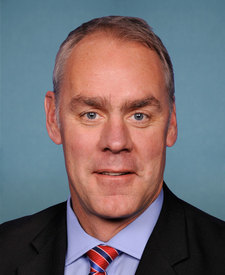



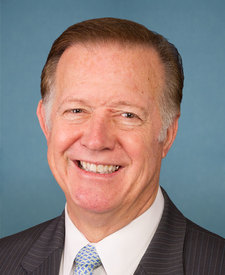
Legislative Progress
In CommitteeMr. Zinke (for himself, Mr. McCormick, Mr. Weber of Texas, …
Referred to the Committee on the Judiciary, and in addition …
Introduced in House
Stakeholder Effects
cui bono?How this legislation distributes effects. Mention counts reflect frequency, not effect magnitude.
Mandate-discharged service members, Military families, National Guard members
Defense personnel offices, Uniformed service pay offices
Bill Structure & Actor Mappings
Who is "The Secretary" in each section?
We use a combination of our own taxonomy and classification in addition to large language models to assess meaning and potential beneficiaries. High confidence means strong textual evidence. Always verify with the original bill text.
Learn more about our methodology