LOAN Act
Summary
What This Bill Does
The LOAN Act is a broad Higher Education Act rewrite. It first repeals subtitles A through F of title VIII of Public Law 119-21 and revives the prior Higher Education Act provisions as if those subtitles had not been enacted. Title I expands grants: it moves Pell Grants to mandatory funding, sets maximum awards at $10,000 for 2026-2027, $11,000 for 2027-2028, $12,000 for 2028-2029, $13,000 for 2029-2030, and at least $14,000 for 2030-2031 and later, adds higher awards for recipients of means-tested benefits, makes Dreamer students eligible for federal aid, restores Pell lifetime eligibility from 12 to 18 semesters, reduces satisfactory-academic-progress penalties by adding warning, probation, reset, and appeal rules, and permits Pell support for first postbaccalaureate study when undergraduate Pell eligibility remains. Title II restores subsidized loans for graduate and professional students, removes Direct Loan origination fees for disbursements on or after July 1, 2026, sets borrower-favorable prepayment allocation rules, codifies default collection authorities, creates borrower notifications, offers fixed and income-driven repayment plans for new loans after July 1, 2026, restricts loans obtained through fraud, automatically enrolls delinquent or rehabilitating borrowers using IRS income data with opt-out rights, expands income recertification, and substantially expands Public Service Loan Forgiveness by lowering qualifying payments to 96, counting listed deferment and forbearance periods, including certain contractors, creating an online portal and public-service-job database, using weighted-average payment counts for consolidations, and requiring GAO study of data matching. Later sections remove paid default records from credit histories after repayment or consolidation, create a default-reduction program, eliminate interest capitalization, revise rates for new loans, and create federal refinancing programs for FFEL, Federal Direct, and eligible private education loans.
Who Benefits and How
Low-income undergraduates benefit from larger Pell Grants that rise from $10,000 in 2026-2027 to at least $14,000 by 2030-2031. Dreamer students benefit because the bill makes qualifying undocumented students and DACA-eligible students eligible for federal student aid. Students who lose aid after academic setbacks benefit from warning, probation, appeal, and reset rules that reduce harsh satisfactory-academic-progress penalties. Graduate and professional students benefit from restored subsidized loans and possible Pell eligibility for first postbaccalaureate study when undergraduate Pell eligibility remains. Student-loan borrowers benefit from zero origination fees, borrower-directed prepayments, automatic IDR enrollment safeguards, lower or more predictable repayment options, expanded PSLF, default-record cleanup, and federal refinancing. Public service workers benefit because PSLF would require 96 qualifying payments, count several deferments and forbearances, recognize some independent contractors, and provide a portal showing progress.
Who Bears the Burden and How
The Education Department must rebuild Pell, Direct Loan, IDR, PSLF, default, credit-reporting, and refinancing systems around the new statutory rules. Federal student loan servicers must provide notices, apply prepayments correctly, support automatic enrollment, process PSLF changes, and update borrower communications. Institutions of higher education must revise satisfactory-academic-progress, eligibility, Dreamer student, and aid-administration practices. The IRS must support borrower income-data sharing for delinquency, rehabilitation, and recertification procedures when borrowers approve disclosure. Federal taxpayers bear the cost of larger Pell awards, mandatory Pell funding, subsidized graduate loans, fee elimination, loan forgiveness, default cleanup, and refinancing subsidies.
Key Provisions
- Repeals Public Law 119-21 subtitles A through F and restores affected Higher Education Act provisions.
- Expands Pell Grants through mandatory funding, higher maximum awards, means-tested benefit supplements, Dreamer eligibility, 18-semester lifetime limits, postbaccalaureate eligibility, and softer satisfactory-academic-progress rules.
- Restores subsidized graduate loans and eliminates Direct Loan origination fees for loans first disbursed on or after July 1, 2026.
- Creates new fixed and income-driven repayment plans, borrower notifications, prepayment rules, default procedures, and automatic enrollment for delinquent or rehabilitating borrowers.
- Expands Public Service Loan Forgiveness through 96 qualifying payments, broader qualifying periods, contractor treatment, an online portal, and weighted-average consolidation credit.
- Creates default-record removal, default-reduction, interest-capitalization, interest-rate, and refinancing programs for federal and private education loans.
Evidence Chain:
This summary is generated from the full bill text using AI analysis. Expand "Detailed Analysis" below for identified beneficiaries/burden bearers with clause-level evidence links.
At a Glance
What This Bill Does
Repeals Public Law 119-21 higher-education changes and rewrites major Federal student aid rules by expanding Pell Grants, opening aid to Dreamer students and some graduate students, restoring subsidized graduate loans, eliminating Direct Loan origination fees, creating new repayment and automatic-enrollment procedures, expanding Public Service Loan Forgiveness, cleaning default records, and establishing federal refinancing options for federal and private student loans.
Key Policy Areas
Higher Education, Student Loans, Financial Aid
Primary Purpose
Repeals Public Law 119-21 higher-education changes and rewrites major Federal student aid rules by expanding Pell Grants, opening aid to Dreamer students and some graduate students, restoring subsidized graduate loans, eliminating Direct Loan origination fees, creating new repayment and automatic-enrollment procedures, expanding Public Service Loan Forgiveness, cleaning default records, and establishing federal refinancing options for federal and private student loans.
Policy Domains
Resolution provisions
Identified Gains
- Low-income undergraduates
- Dreamer students
- Students with academic setbacks
- Graduate students
- Student-loan borrowers
- Public service workers
Identified Costs
- Education Department financial aid offices
- Federal student loan servicers
- Institutions of higher education
- IRS data-sharing offices
- Federal taxpayers
Sponsors


Legislative Progress
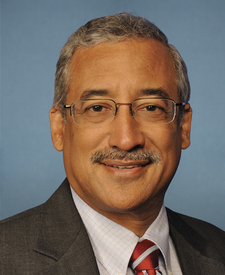
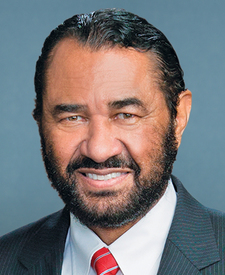
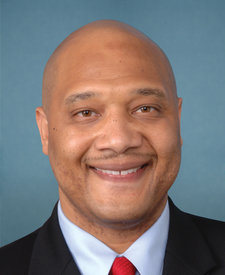
In CommitteeMr. Scott of Virginia (for himself, Mr. Subramanyam, Ms. Underwood, …
Referred to the Committee on Education and Workforce, and in …
Introduced in House
Stakeholder Effects
cui bono?How this legislation distributes effects. Mention counts reflect frequency, not effect magnitude.
Graduate students, Institutions of higher education, Low-income undergraduates
Positive-direction: Graduate students, Low-income undergraduates, Student-loan borrowers, Students with academic setbacks
Negative-direction: Institutions of higher education
Education Department aid offices, IRS data-sharing offices
Bill Structure & Actor Mappings
Who is "The Secretary" in each section?
We use a combination of our own taxonomy and classification in addition to large language models to assess meaning and potential beneficiaries. High confidence means strong textual evidence. Always verify with the original bill text.
Learn more about our methodology