Young Americans Financial Literacy Act
Summary
What This Bill Does
The Young Americans Financial Literacy Act adds a new Consumer Financial Protection Act section 1037. The CFPB Director, consulting the Financial Literacy and Education Commission, must make competitive grants and agreements with eligible institutions to establish centers of excellence for financial-literacy education serving young people and families ages 8 through 24. The centers can develop research-based programs around budgeting, saving, debt, earnings, transactions, consequences, and financial tools; create instructional materials for young families facing bankruptcy, foreclosure, credit-card misuse, or predatory lending; train educators; disseminate financial-literacy information; reduce student-loan default through sustained college programs; and evaluate whether participants retain usable financial skills. Priority goes to applications with clear definitions of financial literacy, age- and socioeconomic-level content, evidence-based delivery systems, at-risk population focus, and cultural, linguistic, or demographic sensitivity.
Who Benefits and How
Students ages 8 through 24 benefit because grant-funded centers would create financial-literacy programs for school, college, workforce-entry, and early family decisions. At-risk minority students benefit because the bill tells CFPB to prioritize materials that serve minority and disadvantaged populations. Young families benefit from materials addressing bankruptcy, foreclosure, credit-card misuse, predatory lending, budgeting, and debt management. Eligible colleges and nonprofit education institutions benefit from new competitive CFPB grant and agreement opportunities. Student-loan borrowers benefit if centers create programs that reduce default by teaching debt-management skills before and during college.
Who Bears the Burden and How
The CFPB Director must run the competitive grant process, set financial-literacy competencies, and oversee funded centers. Financial Literacy and Education Commission members must consult on program design and priorities. Grant recipients must build evidence-based curricula, professional-development systems, outreach, research, assessment, and evaluation capacity. Federal taxpayers bear the cost of new center grants if Congress appropriates funding for the authorization.
Key Provisions
- Authorizes CFPB competitive grants and agreements for financial-literacy centers of excellence.
- Requires funded activities to cover budgeting, savings, debt, earnings, transactions, and financial decision consequences.
- Requires outreach materials for young families facing foreclosure, bankruptcy, credit-card misuse, and predatory lending.
- Provides priority for evidence-based, age-appropriate, culturally responsive programs serving at-risk populations.
- Uses ongoing research and evaluation to measure skill retention and program effectiveness.
Evidence Chain:
This summary is generated from the full bill text using AI analysis. Expand "Detailed Analysis" below for identified beneficiaries/burden bearers with clause-level evidence links.
At a Glance
What This Bill Does
Authorizes Consumer Financial Protection Bureau competitive grants and agreements for centers of excellence that research, develop, implement, and evaluate financial-literacy education for young people and families ages 8 through 24.
Key Policy Areas
Financial Literacy, Education, Consumer Protection
Primary Purpose
Authorizes Consumer Financial Protection Bureau competitive grants and agreements for centers of excellence that research, develop, implement, and evaluate financial-literacy education for young people and families ages 8 through 24.
Policy Domains
Resolution provisions
Identified Gains
- Students ages 8 through 24
- At-risk minority students
- Young families
- Eligible education institutions
- Student-loan borrowers
Identified Costs
- CFPB Director
- Financial Literacy and Education Commission
- Grant recipient institutions
- Federal taxpayers
Sponsors
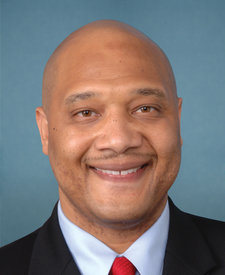
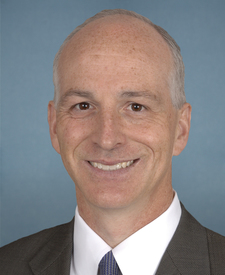
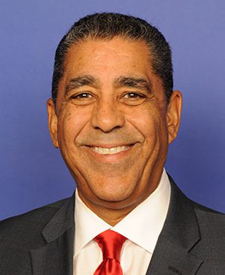
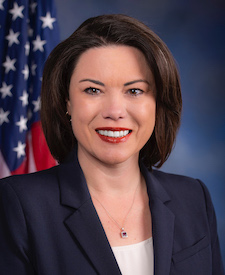
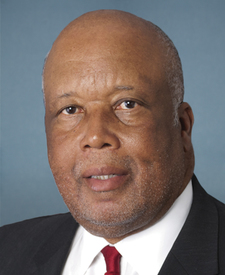
Legislative Progress
In CommitteeMr. Carson (for himself, Mr. Amo, Ms. Barragán, Ms. Brown, …
Referred to the Committee on Financial Services, and in addition …
Introduced in House
Sponsor introductory remarks on measure. (CR E40)
Stakeholder Effects
cui bono?How this legislation distributes effects. Mention counts reflect frequency, not effect magnitude.
At-risk minority students, Eligible education institutions, Student-loan borrowers
Bill Structure & Actor Mappings
Who is "The Secretary" in each section?
We use a combination of our own taxonomy and classification in addition to large language models to assess meaning and potential beneficiaries. High confidence means strong textual evidence. Always verify with the original bill text.
Learn more about our methodology