To improve the reproductive assistance provided by the Department of Defense and the Department of Veterans Affairs to certain members of the Armed Forces, veterans, and their spouses or partners, and for other purposes.
Analysis under review: This bill has generated analysis that may be too generic or incomplete. Clause-level evidence remains available below.
Summary
What This Bill Does
The Veteran Families Health Services Act of 2025 establishes a comprehensive fertility treatment and reproductive assistance program for members of the Armed Forces and veterans through both the Department of Defense (Title I) and the Department of Veterans Affairs (Title II). It mandates that DoD provide fertility treatment and counseling -- including IVF, cryopreservation, genetic testing, and gamete donation -- to service members, their spouses, partners, and gestational surrogates, regardless of sex, gender identity, sexual orientation, or marital status. It also requires DoD to offer cryopreservation of reproductive material before combat deployments or hazardous duty assignments (including those involving PFAS exposure), at no cost to the service member. Title II creates a permanent statutory authority for the VA to furnish identical fertility services to enrolled veterans, adds adoption assistance for veterans, and directs collaborative reproductive health research across DoD, VA, and HHS.
Who Benefits and How
Service members and veterans are the primary beneficiaries, gaining access to fertility treatments that are currently limited or unavailable through military and VA healthcare. The bill is particularly targeted at those whose fertility may be jeopardized by combat injuries, hazardous exposures (including PFAS), or the disruptions of military life. Spouses, partners, and gestational surrogates of service members and veterans also benefit directly, as they are explicitly eligible for treatment. The fertility medicine industry -- IVF clinics, cryopreservation facilities, genetic testing laboratories, fertility pharmaceutical companies, and gamete banks -- stands to gain significant new revenue from government-funded demand. Adoption service agencies benefit from the new VA adoption assistance program. The bill's non-discrimination provisions (covering sex, gender identity, sexual orientation, and marital status) expand access to LGBTQ+ service members and veterans who are currently excluded from or face barriers to military reproductive benefits.
Who Bears the Burden and How
The Department of Defense bears the largest operational and fiscal burden under Title I, as it must build out or contract for fertility treatment infrastructure, cryopreservation logistics (including shipping and long-term storage), and care coordination across permanent changes of station. The Department of Veterans Affairs must implement a new statutory fertility treatment program, develop regulations within two years, and run outreach and training programs. Federal taxpayers fund the expanded benefits, though the bill includes copayment requirements for certain veterans. The VA is explicitly shielded from liability over ownership disputes regarding reproductive genetic material -- that burden falls on veterans and their families, along with private storage facilities.
Key Provisions
- DoD must provide fertility treatment including IVF (up to 3 oocyte retrievals, unlimited embryo transfers), cryopreservation, genetic testing, and gamete donation to service members and their families
- Cryopreservation of reproductive material required before combat deployments or hazardous assignments (including PFAS exposure), free to the member, with one year of post-separation storage
- VA must furnish identical fertility services to enrolled veterans under new 38 USC 1720M, preempting state surrogacy laws
- Non-discrimination protections: services provided without regard to sex, gender identity, sexual orientation, infertility diagnosis, or marital status
- VA adoption assistance for veterans capped at the cost of three adoptions
- DoD-VA coordination via memorandum of understanding for continuity of care during military-to-veteran transition
- Collaborative reproductive health research across DoD, VA, and HHS
- Two-year deadlines for both DoD and VA to issue implementing regulations
Evidence Chain:
This summary is generated from the full bill text using AI analysis. Expand "Detailed Analysis" below for identified beneficiaries/burden bearers.
At a Glance
What This Bill Does
Establishes comprehensive fertility treatment, cryopreservation, and reproductive assistance programs through both the Department of Defense and the Department of Veterans Affairs for service members, veterans, and their families, with non-discrimination protections and continuity of care during military-to-veteran transitions.
Key Policy Areas
Defense, Healthcare, Veterans Affairs
Primary Purpose
Establishes comprehensive fertility treatment, cryopreservation, and reproductive assistance programs through both the Department of Defense and the Department of Veterans Affairs for service members, veterans, and their families, with non-discrimination protections and continuity of care during military-to-veteran transitions.
Policy Domains
Title I -- Reproductive Assistance for Members of the Armed Forces
Identified Gains
Contextual inference, no direct clause citation- Active-duty service members (especially those facing combat or hazardous duty)
- Spouses, partners, and gestational surrogates of service members
- Fertility clinics and IVF providers
- Cryopreservation and reproductive genetic material storage facilities
- Fertility pharmaceutical companies
- LGBTQ+ service members (via non-discrimination protections)
Contextual inference, no direct clause citation
Identified Costs
Contextual inference, no direct clause citation- Department of Defense (operational and fiscal costs of new fertility program)
- Federal taxpayers (funding expanded military healthcare benefits)
Contextual inference, no direct clause citation
Title II -- Reproductive Assistance for Veterans
Identified Gains
Contextual inference, no direct clause citation- Enrolled veterans (especially those with service-connected reproductive injuries)
- Spouses, partners, and gestational surrogates of veterans
- Fertility clinics and IVF providers (expanded patient pool via VA funding)
- Adoption service agencies
- Reproductive health researchers
- LGBTQ+ veterans (via non-discrimination protections)
Contextual inference, no direct clause citation
Identified Costs
Contextual inference, no direct clause citation- Department of Veterans Affairs (new program implementation, regulations, outreach)
- Federal taxpayers (funding expanded VA healthcare benefits)
- Veterans and families (ownership disputes over reproductive material fall on them, not VA)
- Private cryopreservation facilities (dispute resolution responsibility)
Contextual inference, no direct clause citation
Sponsors
Legislative Progress
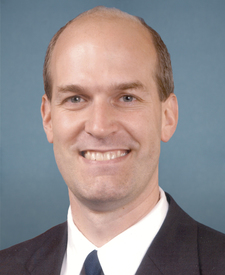
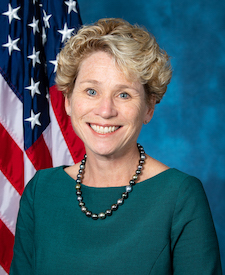
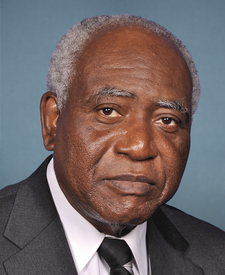
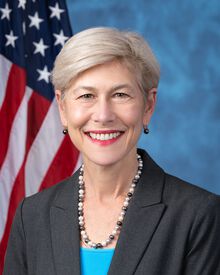
IntroducedMr. Larsen of Washington (for himself, Ms. DelBene, Ms. Sánchez, …
Stakeholder Effects
cui bono?How this legislation distributes effects. Mention counts reflect frequency, not effect magnitude.
Cryopreservation and reproductive material storage companies, Cryopreservation and storage facilities, Gamete banks and donor services
Positive-direction: Cryopreservation and reproductive material storage companies, Cryopreservation and storage facilities, Gamete banks and donor services, Genetic testing laboratories, IVF clinics and fertility treatment providers, Private cryopreservation facilities (post-separation transfers), Reproductive health researchers, Reproductive medicine specialists (andrology, REI), Spouses, partners, and gestational surrogates of service members, Spouses, partners, and gestational surrogates of veterans
Negative-direction: Military medical facilities and providers, Private cryopreservation facilities (dispute resolution burden)
Department of Defense, Department of Veterans Affairs, State governments (surrogacy law preemption)
Enrolled veterans, Enrolled veterans pursuing adoption, LGBTQ+ veterans
Active-duty service members, Active-duty service members deploying to combat or hazardous duty, LGBTQ+ service members
Bill Structure & Actor Mappings
Who is "The Secretary" in each section?
- "the_secretary"
- → Secretary of Defense
- "the_assistant_secretary"
- → Assistant Secretary of Defense for Health Affairs
- "the_secretary"
- → Secretary of Veterans Affairs
Note: 'The Secretary' refers to the Secretary of Defense in Title I (sections 101-107) but the Secretary of Veterans Affairs in Title II (sections 201-206). Section 106 involves both Secretaries jointly.
Key Definitions
Terms defined in this bill
Includes preservation of oocytes/sperm/embryos, artificial insemination, assisted reproductive technology (including IVF), genetic testing of embryos, fertility medications, gamete donation, and other fertility-related services as determined by the Secretary.
An individual selected by the service member who agrees to be a parent, with the member, of a child born as a result of fertility treatment under this section.
Has the meaning given in section 101(d)(1) of title 10, United States Code.
Has the meaning given the term 'armed forces' in section 101(a)(4) of title 10, United States Code.
A veteran enrolled in the VA annual patient enrollment system under section 1705(a) of title 38.
An adult who is not the intended parent who enters a surrogacy agreement to become pregnant through IVF using gametes that are not their own.
We use a combination of our own taxonomy and classification in addition to large language models to assess meaning and potential beneficiaries. High confidence means strong textual evidence. Always verify with the original bill text.
Learn more about our methodology